Getting Married in Tuscany
Cypress avenues, Renaissance villas and Sangiovese in the glass, a complete guide to marrying in Tuscany. Where to say your vows across six distinct corners of the region, when to come, what it costs, and the table that makes a Tuscan wedding unforgettable.
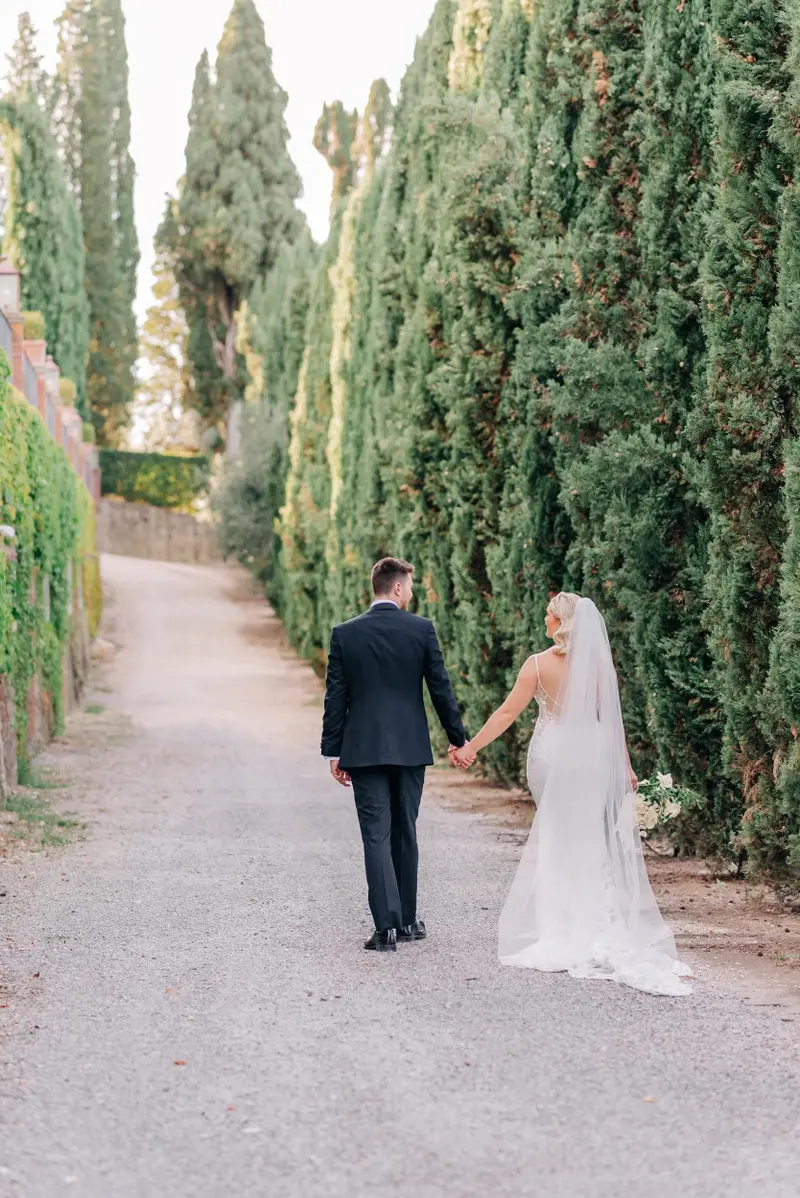
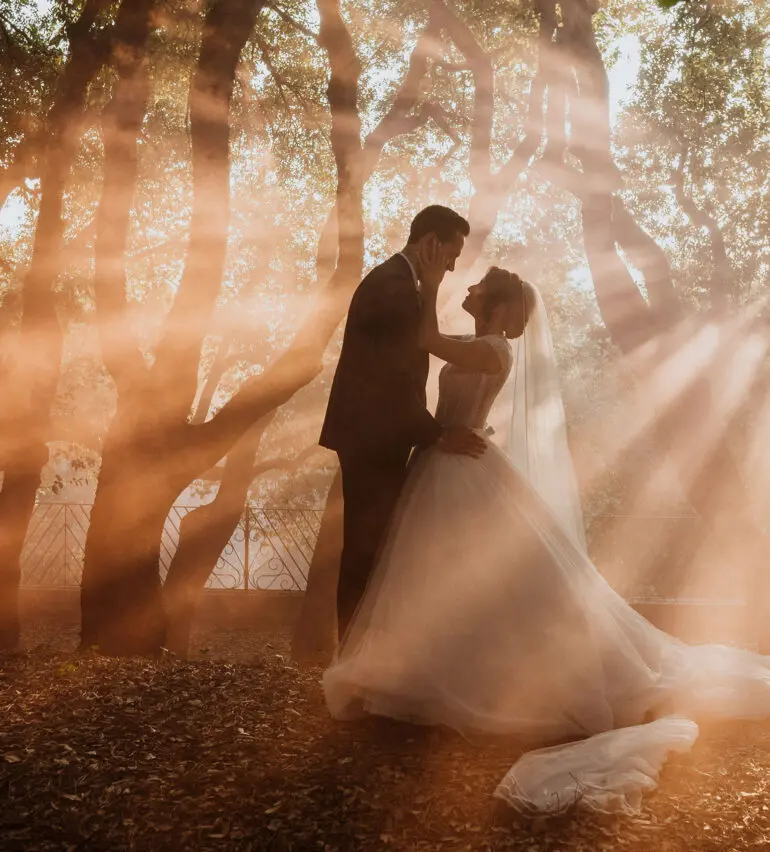
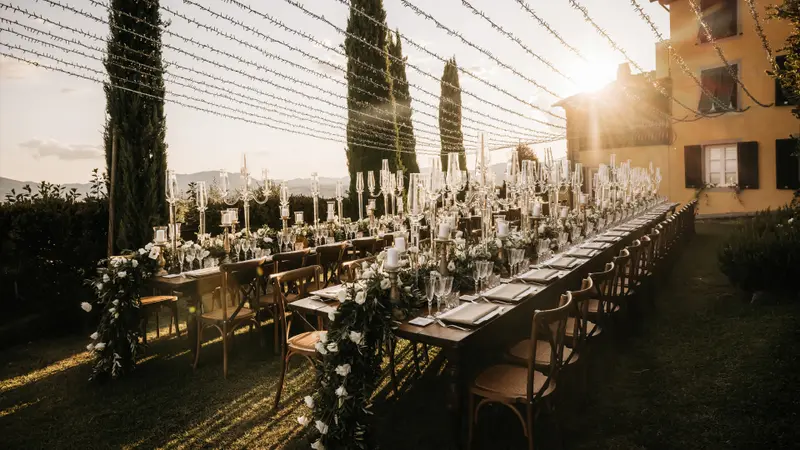
No region has sold a feeling quite so completely as Tuscany. Say the name and the picture assembles itself: a gravel road climbing between cypresses, a stone villa the colour of honey, vineyards combed across the hills, a long table under the vines with candles guttering in the warm dark. It is the most enduring wedding fantasy in the world, and the remarkable thing is how fully Tuscany delivers on it. This is a landscape shaped over centuries to be looked at: by the Medici, by the painters of the Renaissance, by every traveller since. A wedding here inherits all of that composure. The hard part is not finding beauty. It is choosing which Tuscany to marry into.
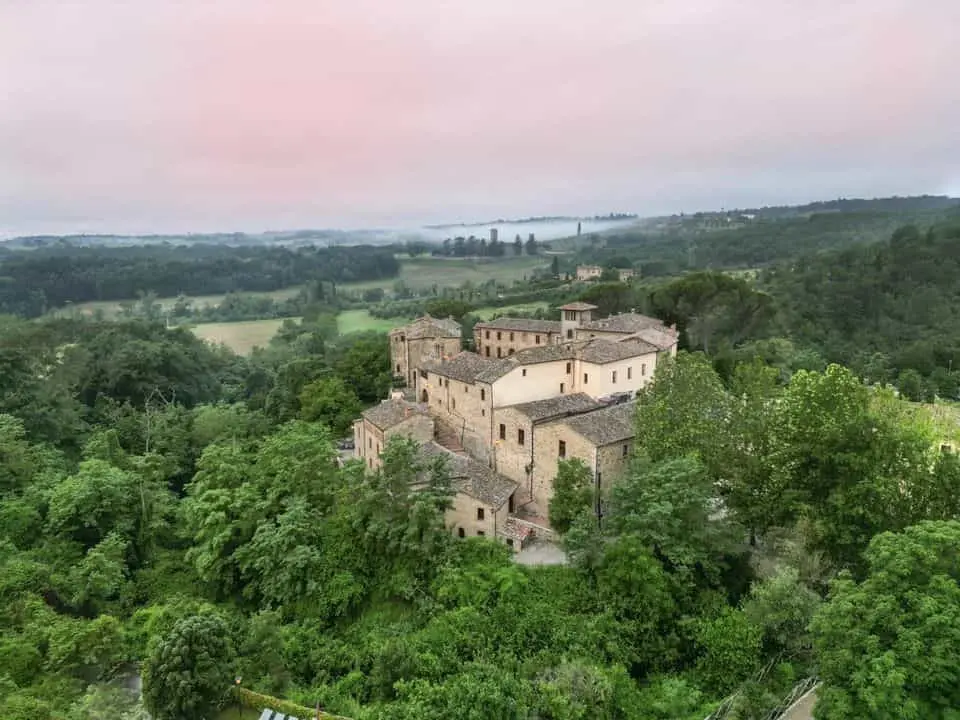
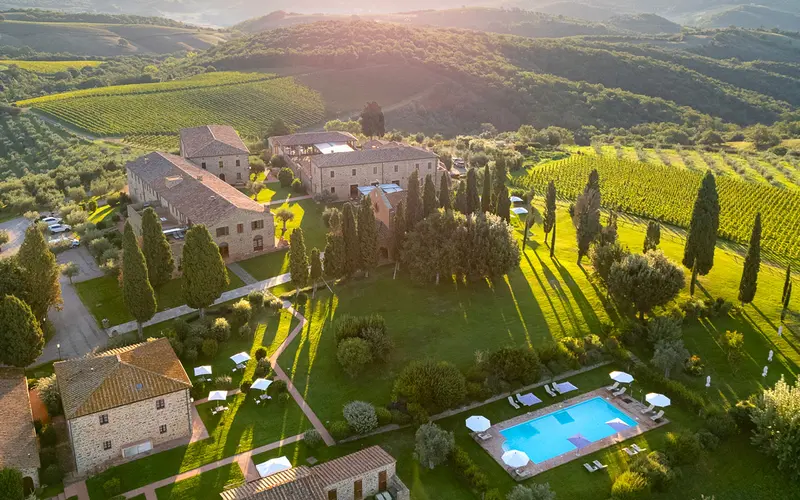
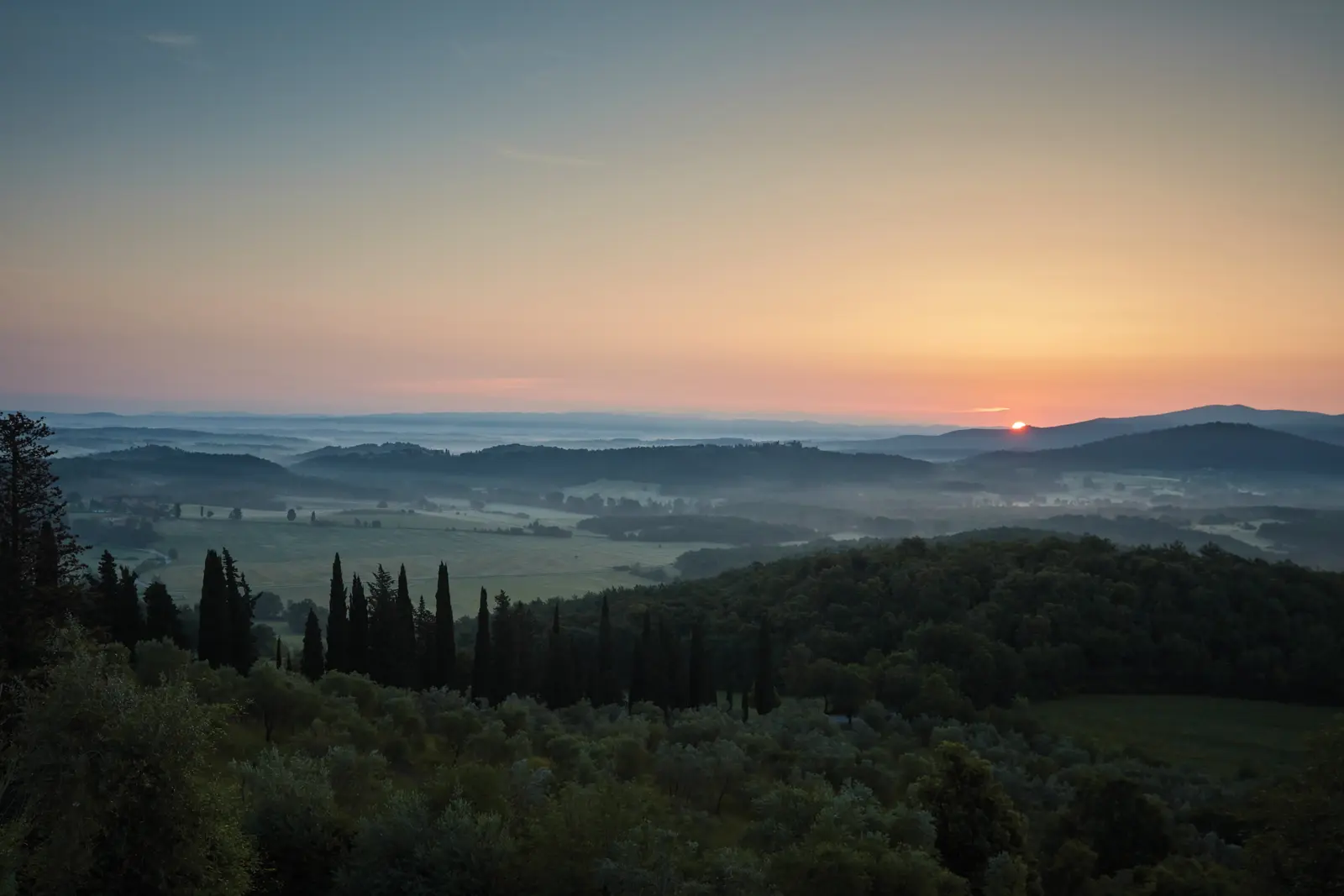
Dawn over the Chianti hills, Castel Monastero, near Siena
Tuscany is large, and the word flattens an extraordinary variety. The region runs from the art cities of Florence and Siena through the vineyards of the Chianti and the chalk hills of the Val d’Orcia to the wild Maremma and the marble coast of Versilia. Each has its own light, its own cooking, its own idea of a celebration. A wedding in a frescoed Florentine palazzo is a different event from one in a medieval Chianti hamlet, which is different again from a dinner in a glasshouse among Pietrasanta’s sculptors. The first and most useful thing a couple can do is decide which of these worlds they want, and Tuscany, generously, holds a great venue in every one.
What unites them is a particular kind of ease. Tuscany has been receiving guests for a very long time. The infrastructure of a great wedding, the villa with a licence, the caterer who has done a hundred of these, the florist who knows which roses survive the August heat, is mature and deep here in a way it simply is not in less-travelled regions. That maturity is the luxury. It is why a Tuscan wedding can feel both wildly romantic and entirely under control.
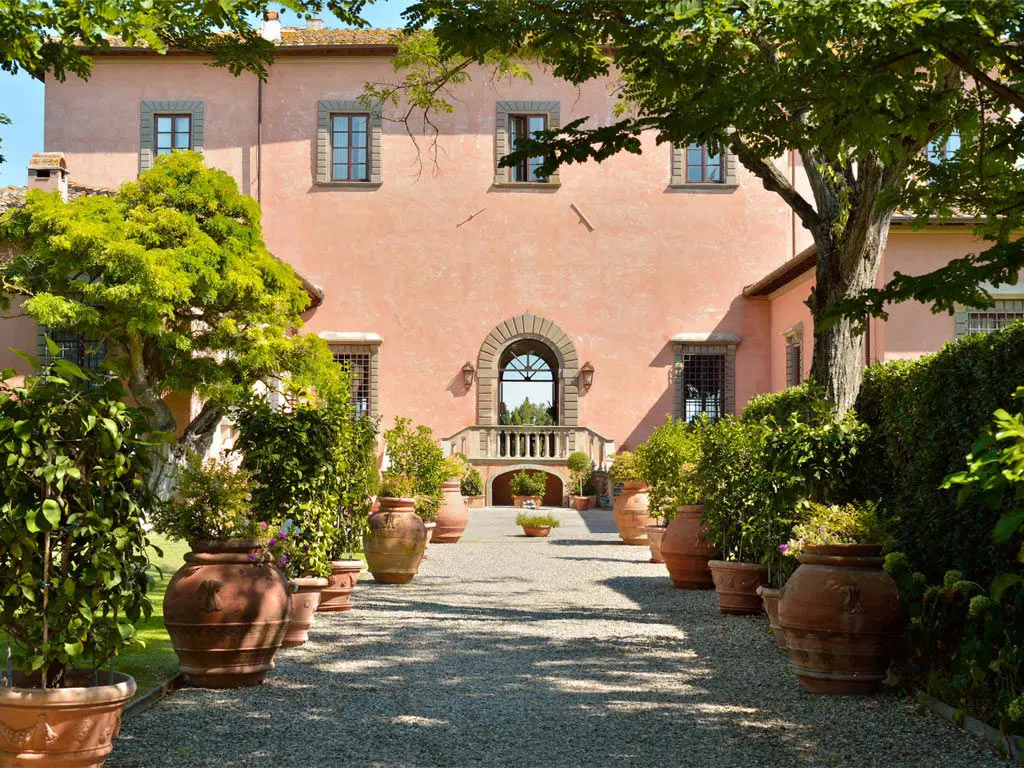
To marry in Florence is to marry inside the Renaissance. The city itself offers frescoed palazzi a few steps from the Duomo, Relais Santa Croce, a Baglioni palazzo with a grand painted salon and a private terrace over the rooftops, brings a wedding into the historic centre with real grandeur. But the greatest concentration of villas is in the hills that ring the city. Il Salviatino, a restored Renaissance villa at Fiesole, looks back across the whole of Florence from its gardens; Collegio alla Querce, an Auberge resort in a former college above the city, brings a theatrical sense of scale; and the new St. Regis Florence stages wedding dinners in its Salone delle Feste on the Arno.
South of the city, in the first folds of the Chianti, Villa Mangiacane, a Renaissance estate once owned by the Machiavelli family, combines a frescoed loggia and formal gardens with its own vineyards and head-on views of the hills. For couples who want the art and the architecture of the Renaissance as their backdrop, this is the heartland.
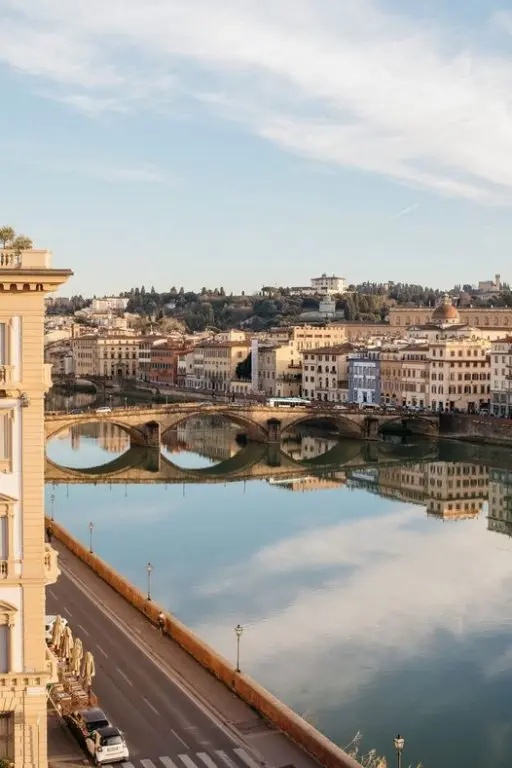
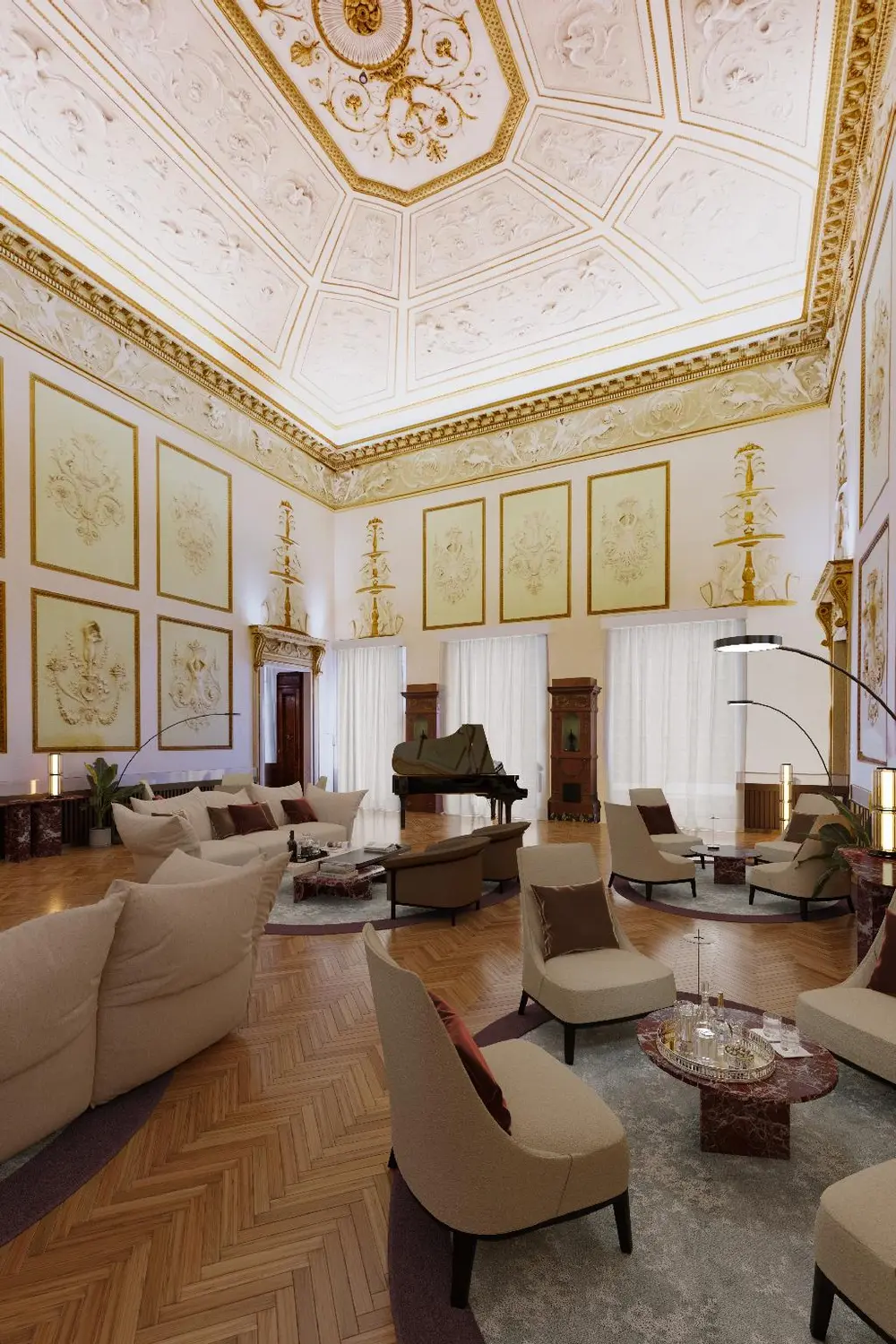
The St. Regis Florence
Relais Santa Croce, Florence
Between Florence and Siena lies the Tuscany of the imagination: the Chianti, a rolling country of vineyards, olive groves, cypress avenues and stone borghi, threaded by the Chiantigiana road. This is wine country, and many of its venues are working estates. Castel Monastero, a thousand-year-old fortified hamlet named for a nearby abbey rather than a monastery of its own, marries couples in its medieval piazza and dines them in vaulted cellars; Hotel Le Fontanelle sets receptions on a lawn looking out over the Chianti Classico hills; and Villa di Catignano, a seventeenth-century estate with a formal Italian garden above Siena, offers the archetypal villa-and-garden wedding. Smaller and more rustic, Relais La Costa brings the same landscape at an intimate scale.
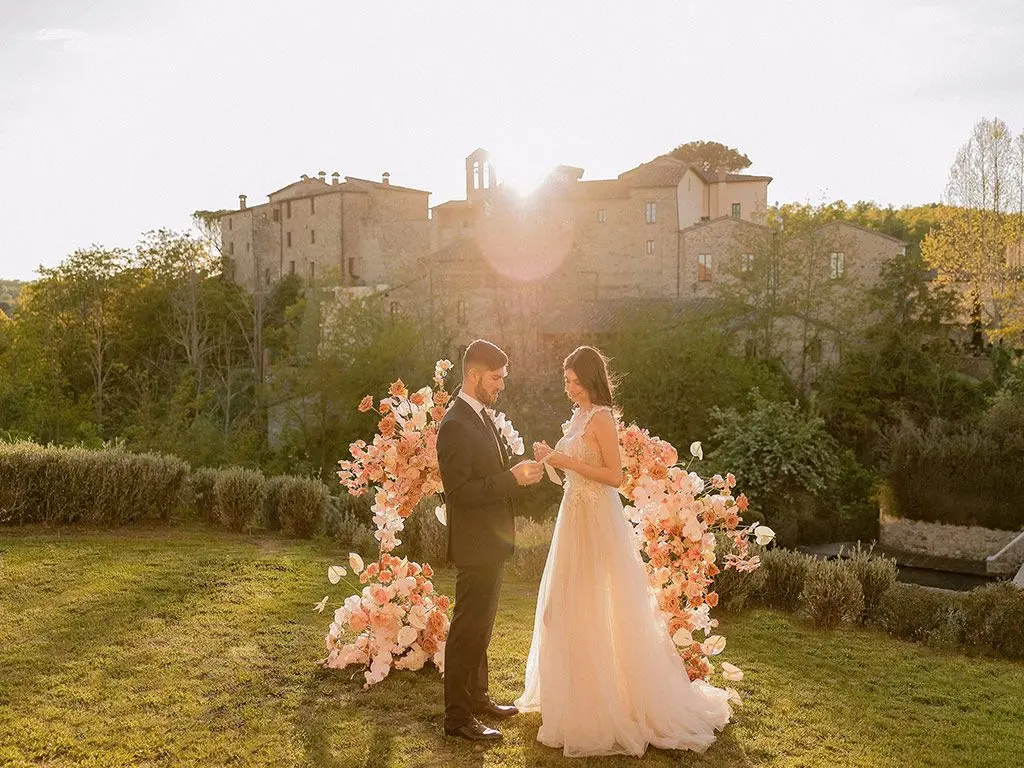
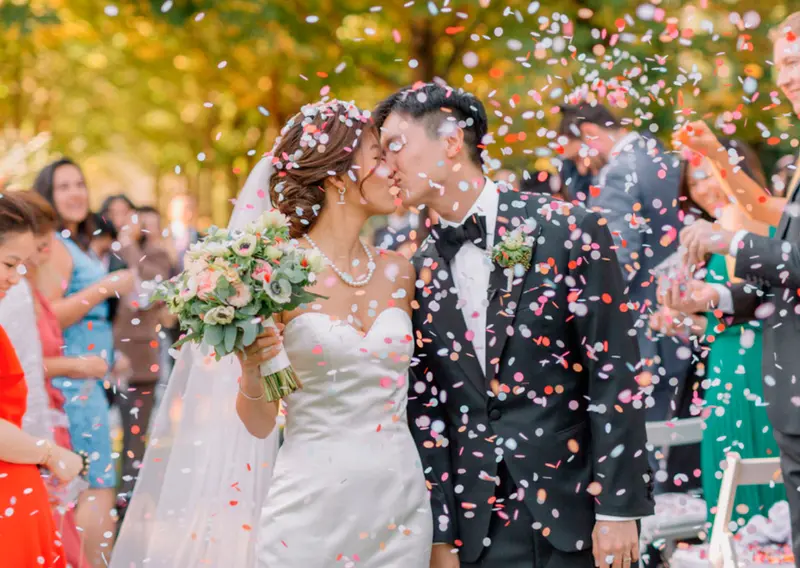
A ceremony in the old hamlet, Castel Monastero, Chianti
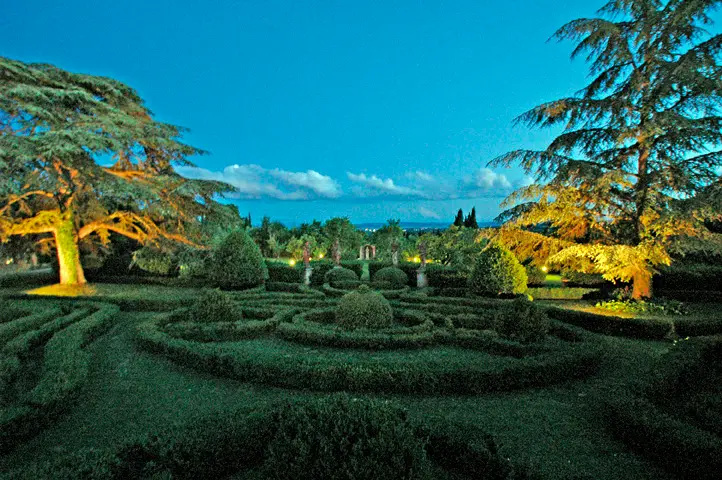
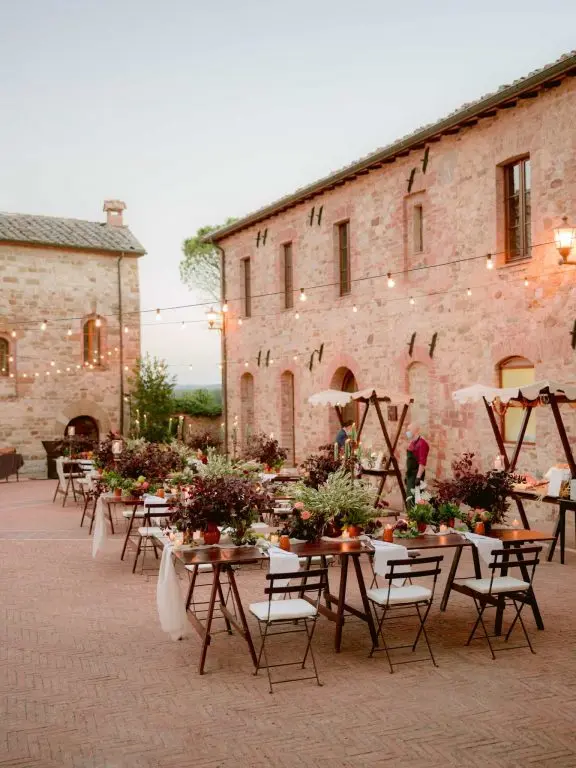
South of Siena the landscape changes character: the vineyards give way to the bare, sculpted clay hills of the Val d’Orcia and the Crete Senesi, a UNESCO landscape of lone farmhouses and chalk-white roads that is, to many, the most beautiful country in Italy. This is Brunello country, around Montalcino, and the venues match the grandeur of the setting. Castello di Casole, a Belmond hotel set in a 4,200-acre estate around a tenth-century castle, is among the most complete wedding properties in Tuscany; Castello di Velona, a restored castle with thermal spa and panoramic infinity pools, looks directly over the Val d’Orcia toward Montalcino. For a smaller, hamlet-style celebration, Borgo Bucciano and Borgo di Recenza offer restored stone borghi in the hills.
The estate above the Val d’Elsa at dusk, Castello di Casole, A Belmond Hotel, Siena
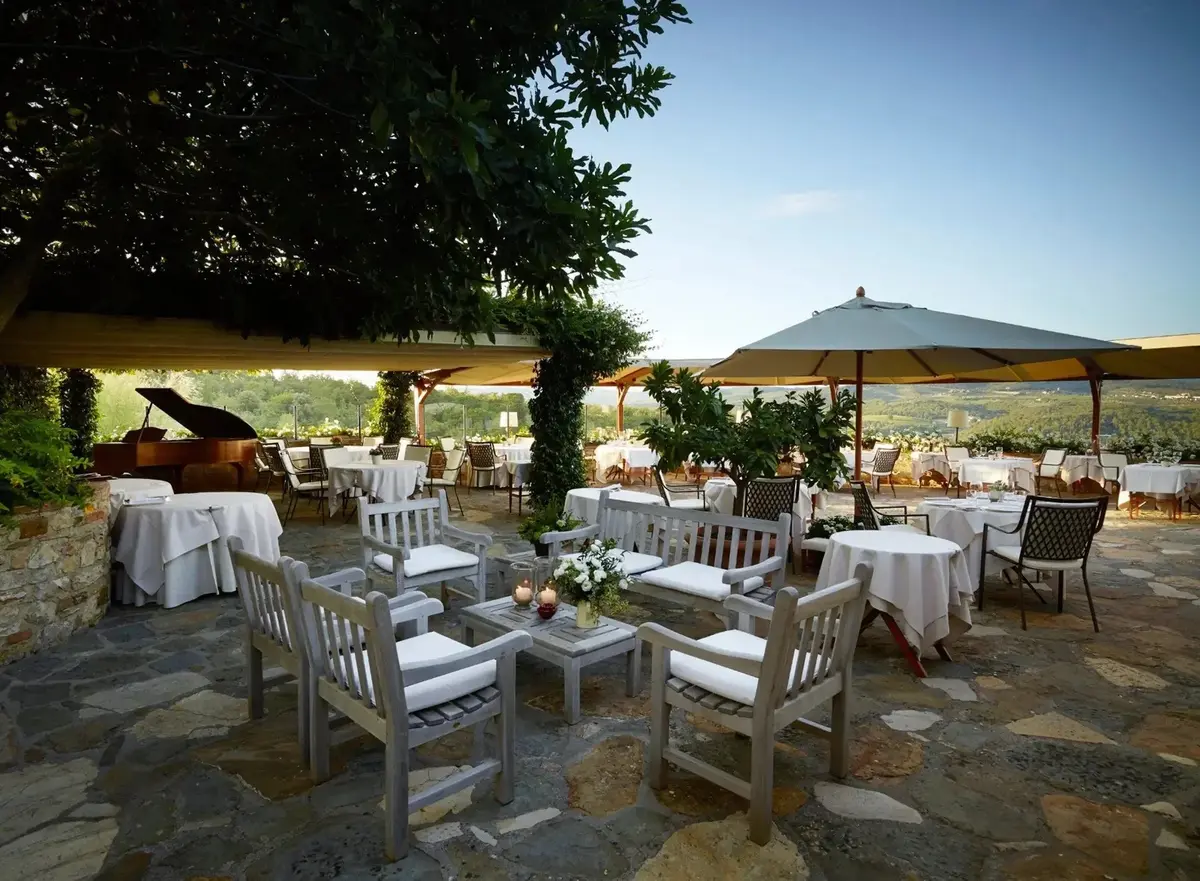
The east of the region, the Valdichiana and the hills around Cortona, the town of Under the Tuscan Sun, is gentler and less travelled, and prices can be a touch kinder for it. Its standard-bearer is Il Falconiere, a Relais & Châteaux wine estate above Cortona with a Michelin-recognised kitchen, a tiny private chapel and a glass loggia set over the vines. Nearby, La Corte dei Papi occupies an eighteenth-century farmhouse with a spa, while toward Chiusi Hotel Villa Il Patriarca pairs a noble villa and cypress park with its own celebrated kitchen, I Salotti del Patriarca. This is the corner for couples who want serious food and a slower, more secret Tuscany.
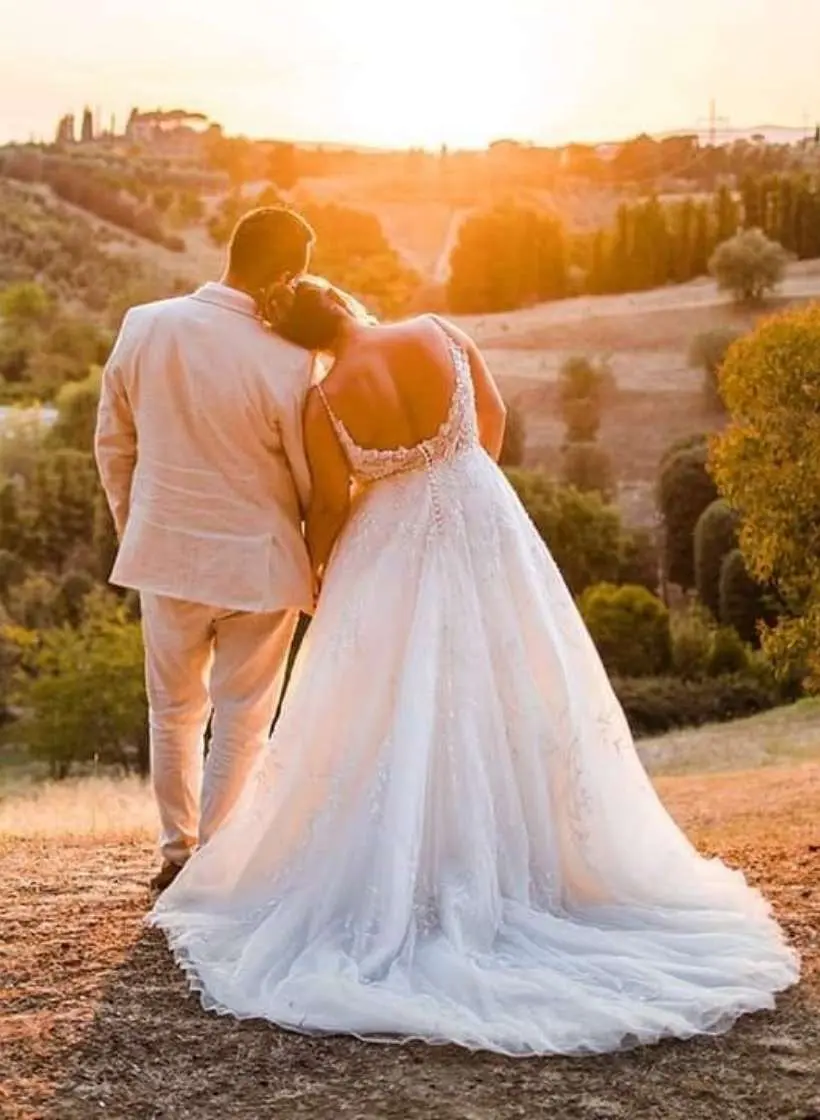
Il Falconiere, Cortona
Hotel Villa Il Patriarca, Chiusi
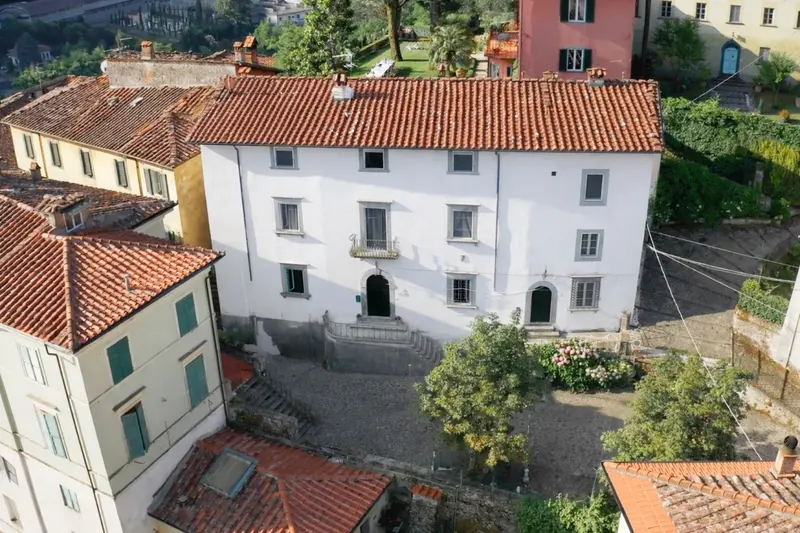
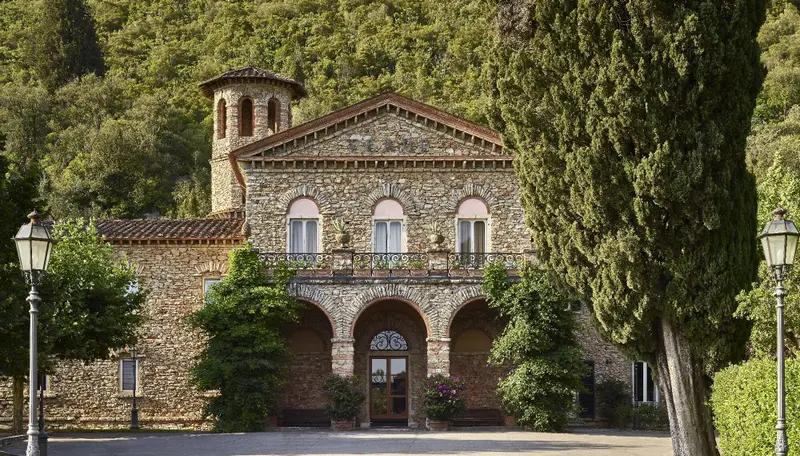
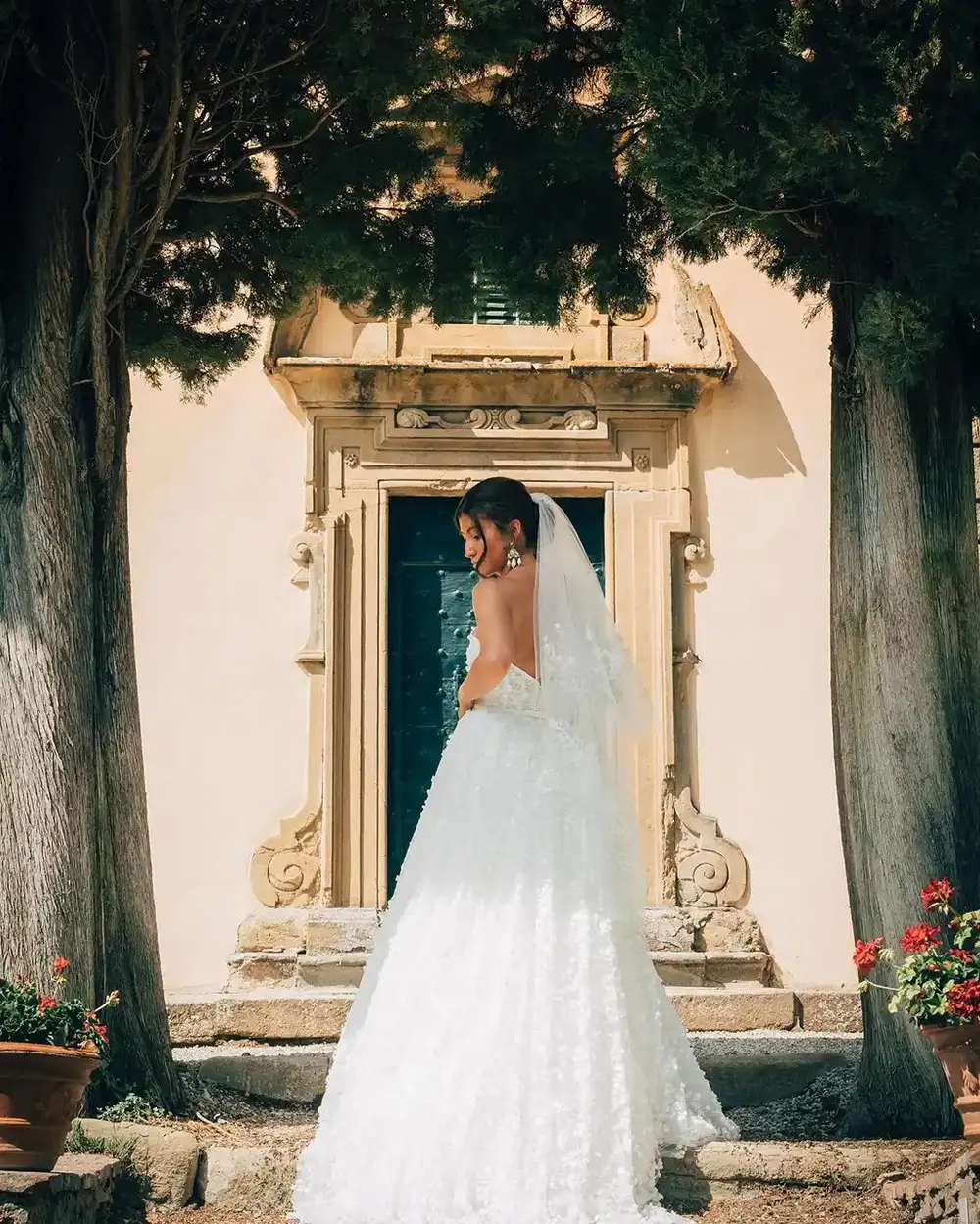
North-west of Florence, around Lucca and Pisa, the landscape softens into villa country of a different stamp, the grand Lucchese country houses built by the city’s silk merchants, set among olive groves and walled gardens. Villa Michaela, near Lucca, is the archetype: a historic villa with a consecrated chapel, eighteen bedrooms, a long pool and fifty acres of olive groves, taken on an exclusive-use basis. The smaller Casale de’ Pasquinelli and the hilltop Agriturismo Cima alla Serra, above Pisa, offer the same world at a more intimate scale, while Grotta Giusti, a nineteenth-century villa and thermal spa near Montecatini, adds a wellness dimension for a multi-day celebration.
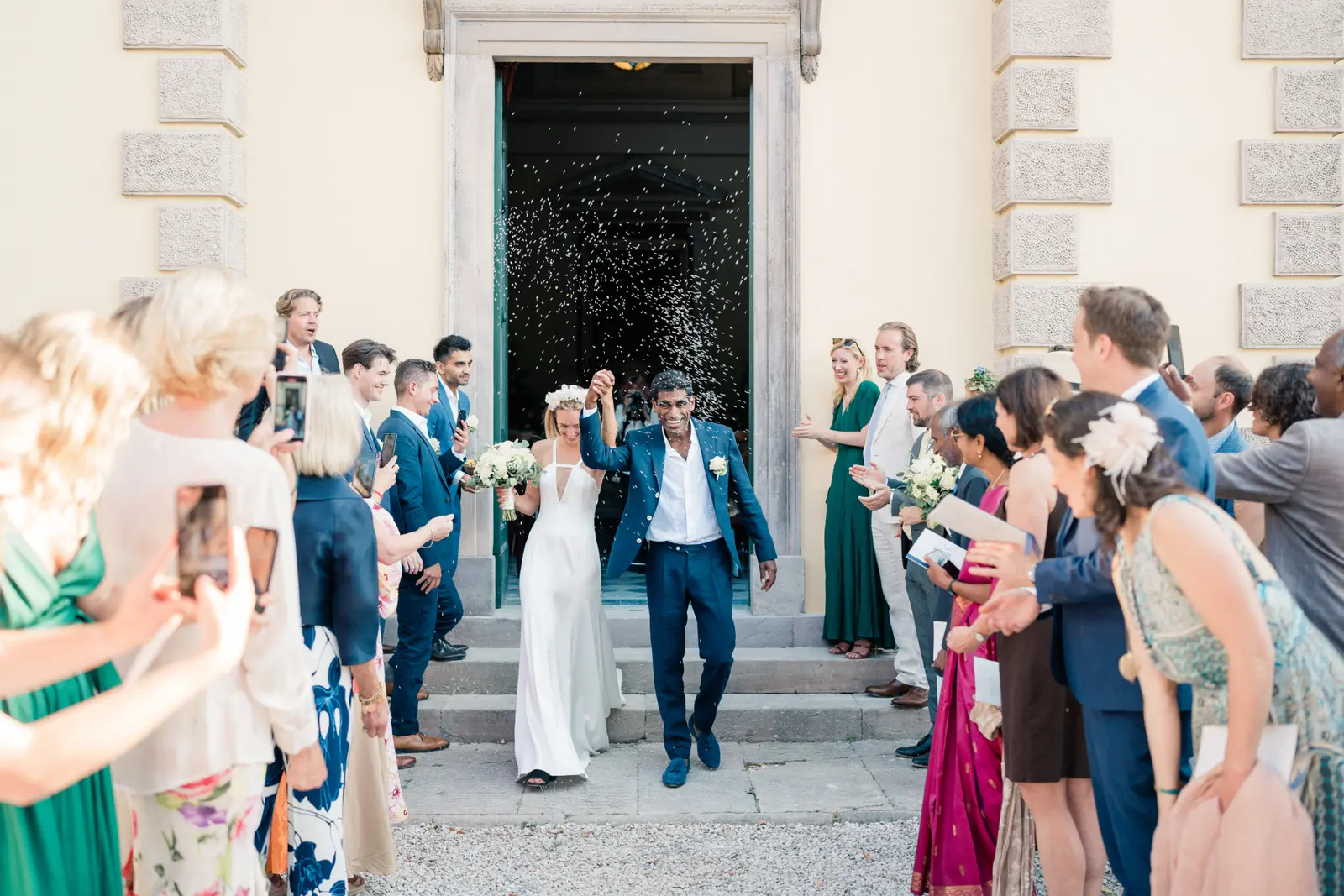
Leaving the consecrated chapel, Villa Michaela, near Lucca
The south-west of Tuscany, the Maremma, once wild marsh-and-cowboy country, now the region’s quiet frontier of taste, and the marble coast of Versilia offer the most distinctive weddings of all. L’Andana, a former Grand-Ducal estate near the sea with a Michelin-starred kitchen led by Enrico Bartolini, is the Maremma’s grandest address; nearby, the ColleMassari wine estate marries couples among its cellars and vines. On the coast at Pietrasanta, Tuscany’s city of sculptors, Paradis Pietrasanta stages dinners in a glass greenhouse and a gypsotheca hung with sculpture, a wedding for couples who want art and the sea rather than another vineyard.
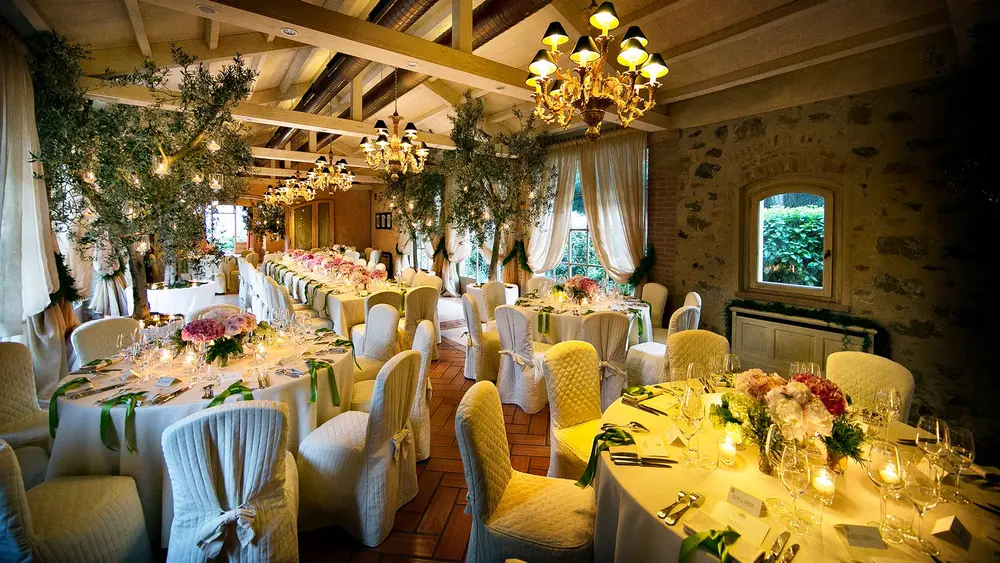
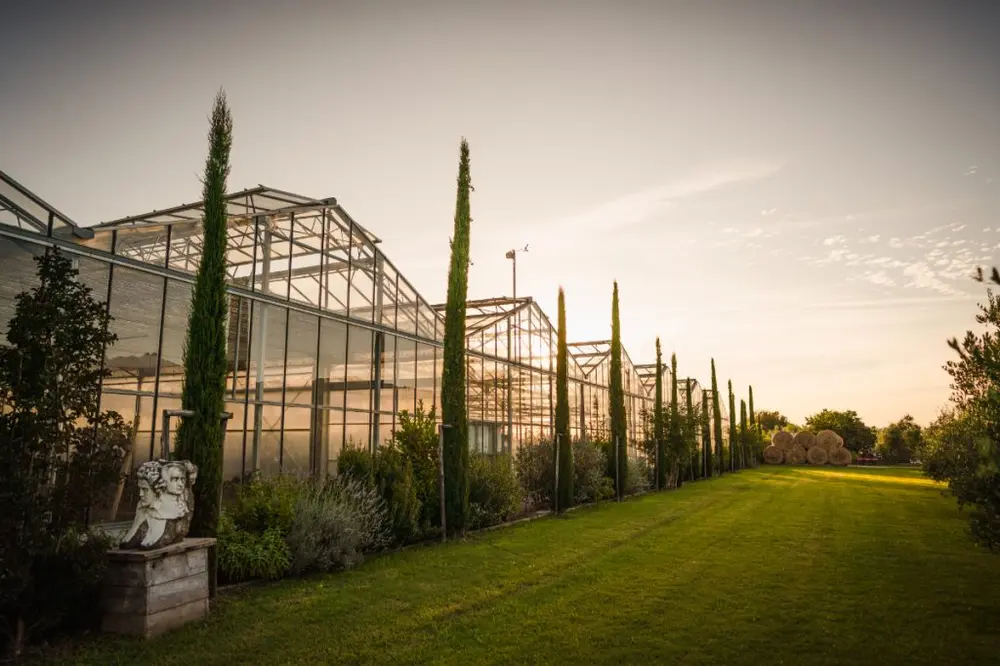
L’Andana, the Maremma
Paradis Pietrasanta, Versilia
Tuscany does not ask to be decorated. The cypress, the villa, the hills and the long table do most of the work, and the best Tuscan weddings know when to stop adding.
On marrying in TuscanyTo marry in Tuscany is to eat and drink at the source. The cooking is the most quietly confident in Italy, built on a handful of perfect things rather than elaboration. A wedding menu here runs from crostini and a board of pecorino and finocchiona, through hand-rolled pici or a wild-boar pappardelle, to the great bistecca alla Fiorentina carved at the table, and finishes with cantucci and Vin Santo. In autumn the white truffle of San Miniato appears; year-round, the new-pressed olive oil is treated with the reverence other regions give to wine.
And the wine is half the reason to come. This is the home of Chianti Classico, of Brunello di Montalcino and Vino Nobile di Montepulciano, and of the Super Tuscans, Sassicaia, Tignanello, Ornellaia, that rewrote the rules of Italian wine. Many venues are working estates pouring their own labels, which means the bottle on the table was grown in the view from it. For the toast, a Tuscan metodo classico or a Franciacorta from over the border. A good caterer here builds the whole day around the region’s table, because in Tuscany the food is not a course in the celebration. It is the celebration.
The Tuscan wedding season runs from late April to October, and the shoulders are the connoisseur’s choice. May, June and September are close to perfect, warm, long-lit days, gardens and vines at their fullest, the countryside green in spring and gold in early autumn. July and August are hot, often fiercely so in the inland hills, and the most expensive and busy; couples who marry then build the day around the evening, with ceremonies after 5pm. Late September and early October bring the vendemmia, the grape harvest, and arguably the most beautiful light of the year, though the weather grows less certain by late October. Whenever you come, the Tuscan day is an evening event: vows in the late-afternoon gold, dinner as the hills turn blue, dancing under the stars.
Tuscany spans a wider price range than almost any luxury wedding destination, which is part of its appeal. For a wedding of around eighty guests, a realistic all-in figure, venue, catering and wine, flowers and styling, music, planner and photography, begins around €60,000–€90,000 at a characterful estate and rises through €120,000–€180,000 for a marquee villa or castle, and well beyond €250,000 for a full multi-day takeover of a name property with leading suppliers. Exclusive-use venue hire typically runs €8,000–€35,000 depending on the address and the number of nights; catering, the largest line, commonly lands at €180–€350 per head at this level. The Maremma and the Cortona side tend to be gentler on the budget than Florence and the marquee Val d’Orcia estates. Two costs worth planning honestly: accommodation, since many couples take a villa or hamlet for several nights, and transport across a region where the best venues sit at the end of long gravel roads.
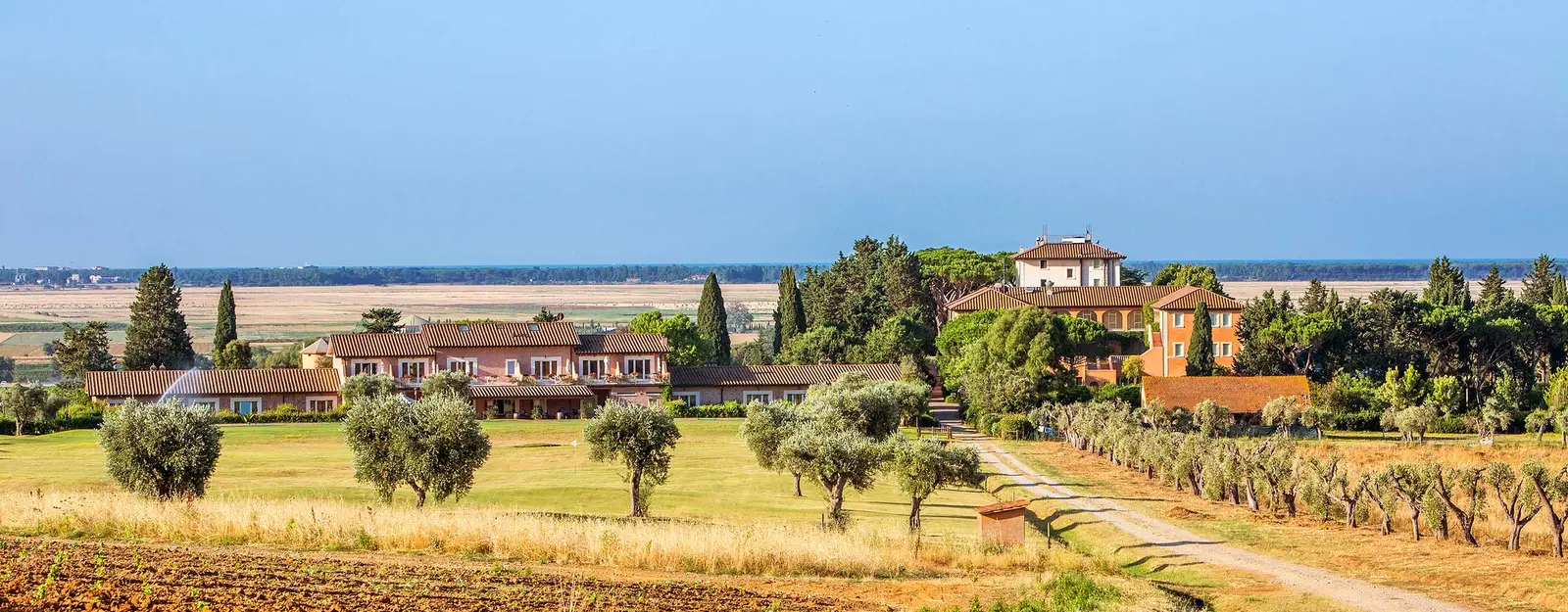
The Maremma at dusk, from the estate, L’Andana
Civil weddings are legal and binding across Tuscany, conducted in the town halls and licensed venues of the comuni, and some of the settings are spectacular in their own right, from the medieval halls of San Gimignano and Certaldo to Montepulciano’s town hall. A number of private villas hold their own civil licence, allowing a legally binding ceremony in the garden rather than a municipal office; others host a symbolic ceremony, with the legal marriage completed at home beforehand, which frees the celebration to happen anywhere, a vineyard, a chapel, a cloister. The paperwork for non-Italian couples (the nulla osta and the declarations made at the consulate or comune) is straightforward but unforgiving of haste. Your planner will confirm which venues are licensed and steer the route that fits your timeline.
Tuscany is the most supplier-rich wedding region in Italy, which is a gift and a decision in itself: the choice is wide, and the gap between an experienced local planner and a remote one is enormous. A good Tuscan coordinator knows which comune licences which villa, which caterer suits which kitchen, how to move a hundred guests down an unpaved road and what the August heat does to both flowers and guests. They are not an extravagance here but the keel of the whole event. Engage one early, ideally before the venue is signed, and let them shape the region to your day.
"You do not bring a wedding to Tuscany so much as let Tuscany lend its order to yours, the cypress avenue, the villa, the table under the vines, the long blue dusk."
Every venue named in this guide is part of the Tuscany collection on Luxury Wedding Directory, a curated portfolio spanning the frescoed palazzi of Florence, the wine estates of the Chianti, the castles above the Val d’Orcia, the Relais & Châteaux kitchens of Cortona, the chapelled villas of Lucca and the grand estates of the Maremma. Each entry below opens onto a full showcase with imagery, capacities, dining and the means to enquire directly. Begin wherever your Tuscany begins.
- Renaissance estate, near Florence
- Baglioni palazzo, Florence
- Renaissance villa, Fiesole
- Medieval hamlet, Chianti
- Estate, Chianti Classico
- Castle estate, Siena
- Castle & spa, Val d’Orcia
- Relais & Châteaux wine estate, Cortona
- Exclusive-use villa & chapel, Lucca
- Grand-Ducal estate, the Maremma
- Glasshouse & sculpture, Versilia
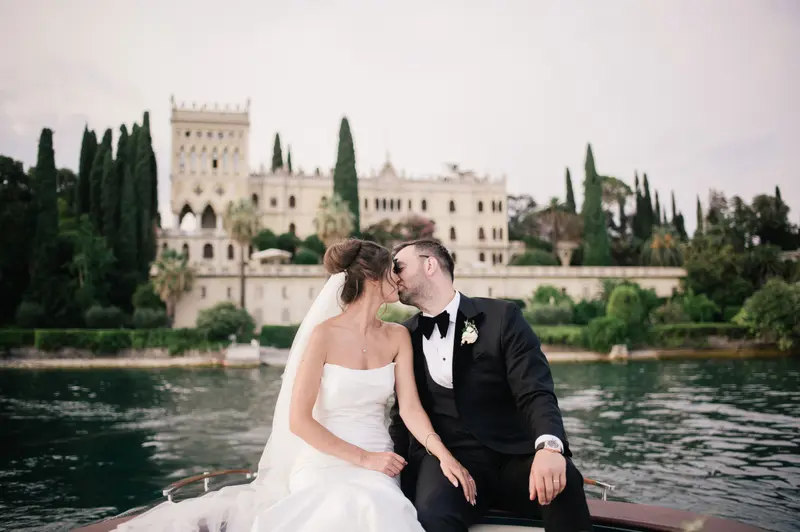
Planning an Italian wedding more widely? Read The Art of the Amalfi Wedding for the coast and Beatrice & Marco: A Lake Como Love Story for the lakes. Drawn to a château instead? See The Most Beautiful Château Wedding Venues in France.