The Wedding Weekend Revolution: Why One Day Is No Longer Enough
The single-day destination wedding is disappearing. In its place, from the shores of Lake Como to the cliffs of Ravello and the vineyards of Tuscany, a celebration measured in nights, staged across a whole arrival, and priced as an economy of its own. Here is what the numbers, the map, and the industry actually say.
By Taiwo Adedayo · 2 July 2026 · 14 min
By the time the group gathered for breakfast on the third morning, nobody wanted to be the first to leave.
That sentence describes something the luxury wedding industry has spent the last decade quietly reorganising itself around. The destination wedding is no longer an event. It has become a stay, a story, a small migration of a hundred people to a single place for several days, with the ceremony sitting somewhere in the middle of it rather than at the end.
Why are the world's most discerning couples no longer content to marry in a single day?
For years this shift was described in the language of taste, as though couples had simply developed a preference for longer celebrations. The truth is more structural, and more interesting. This is not a mood. It is a market, and it has a size, a leading country, a map, an economy of its own, and a cost that somebody, somewhere, is quietly absorbing.
The modern luxury wedding is no longer a single event. It is a temporary way of living together.
The Numbers Behind the Shift
Start with what can actually be measured. In the United States, where the reporting is most complete, The Knot's 2026 Real Weddings Study puts the average international destination wedding at 43,700 dollars and a domestic destination wedding at 41,700 dollars, against roughly 32,600 dollars for a wedding held in the couple's hometown. The premium is not explained by guest numbers. Destination weddings tend to carry fewer guests, not more. It is explained by what now surrounds the wedding: the travel, the accommodation, and above all the additional days of hosting.
Those additional days are the actual revolution. The same body of research shows the celebration fanning out from a single afternoon into a sequence of events, and it shows a clear generational fault line in who is driving it. Among couples marrying recently, welcome gatherings are hosted by around 30 percent of millennials against 15 percent of Gen Z, after parties by 32 percent against 22 percent, and morning-after brunches by 24 percent against 17 percent. The wedding weekend, in other words, is being built most enthusiastically by couples in their thirties, the ones with the means to host it and the friendship circles scattered widely enough to justify it.
A necessary caveat, stated plainly rather than buried: most of this hard data is drawn from the broad American market, not the ultra-luxury tier specifically. It establishes the direction of travel with confidence. It does not, on its own, describe a wedding for a hundred guests taking over a villa above Ravello for four days. For that, the more revealing numbers, and the more revealing map, come from Europe.
Why Italy Became the Capital
If the wedding weekend has a capital, it is Italy, and here the figures are unambiguous. According to the Osservatorio Destination Wedding compiled for Convention Bureau Italia, Italy hosted more than 15,100 foreign weddings in 2024, up 11.4 percent year on year, generating close to 931.6 million euros. That is a sector that has nearly doubled from around 500 million euros in 2018, and which crossed 1.1 billion euros in 2025. The leading stages are the ones you would expect: Lake Como, the Amalfi Coast, Venice, Tuscany and Lake Garda.
It matters to be precise about what kind of leadership this is. By sheer volume, Mexico hosts more international destination weddings than anywhere else, drawing roughly a third of the global total, largely from North American couples. Greece is the fastest-growing. But in the luxury bracket specifically, the one that concerns the couple taking a sixteenth-century estate for four days, industry consensus places Italy first, ahead of Catalonia, St Barthelemy, Dubai, Udaipur and the French Riviera. Italy wins on prestige, not on headcount, and prestige is the entire proposition of a luxury destination wedding.
This is the point at which a British venue, however beautiful, has to be honest about its place. The United Kingdom is a serious wedding market. It is not, in any meaningful sense, a luxury destination-wedding market. The couples flying a hundred guests somewhere for a long weekend are, overwhelmingly, flying them to the Mediterranean, and increasingly to Italy above all.
The Geography of the Wedding Weekend
Italy's advantage is not a single place. It is a collection of them, each offering a different version of the same multi-day promise, and each requiring a property built for people to stay rather than merely to gather. It is worth walking the map, because the map is the argument.
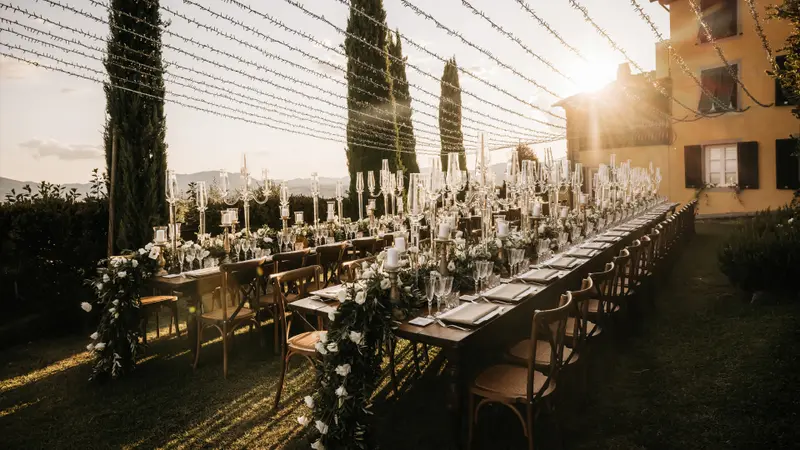
On Lake Como, the appeal is the water and the theatre of arrival, guests brought in by boat to a shoreline of frescoed villas and grand ballrooms. A property such as Villa Nascosta is designed for exactly the extended stay the format demands, taken for exclusive use so that the estate is entirely the couple's own, with two dozen rooms and a handful of suites, a welcome dinner the night before and a farewell brunch the morning after already written into how it hosts. The lake is not a backdrop to a single evening. It is a place to live for a few days.
Villa Nascosta on Lake Como, where the arrival by boat is the first act of the weekend.
South, on the Amalfi Coast, the drama becomes vertical. Villa La Rondinaia clings to the cliffs above Ravello, a villa built in 1927 and, for thirty-three years, the home of the writer Gore Vidal. Six sea-view suites sleep the closest of the party within 950 square metres of interiors and 25,000 square metres of terraced gardens, with the Gulf of Salerno falling away below the infinity pool. It is not a large venue, and that is the point: it hosts a small, exclusive celebration measured in days and in views, not in numbers.
Villa La Rondinaia above Ravello, the former home of Gore Vidal, its gardens falling to the sea.
Offshore, on Capri, the proposition is the island itself. At JK Place Capri, a boutique hotel of a few dozen rooms and suites above the Marina Grande, a full exclusive-use booking hands the couple the whole hotel, sleeping the wedding party together on the island with the Piazzetta a few minutes' walk away. The island becomes, for a weekend, a private world.
And then there is Tuscany, the deepest bench of all, where the estates are old enough and large enough to absorb a wedding party for days without strain. Villa Mangiacane, a fifteenth-century Renaissance estate once held by the Machiavelli family, spreads across 600 acres of Chianti Classico vineyards twelve kilometres south of Florence, with twenty-eight rooms and suites across its two houses sleeping up to sixty, three pools, a spa and its own winery. Read that inventory again with the wedding weekend in mind and it stops being a list of amenities and becomes an itinerary: enough beds to keep the core of the party on the estate, enough vineyard and terrace and water to fill the days between the events, and enough scale to be taken entirely for one family's use.
Villa Mangiacane in the Chianti hills south of Florence, 600 acres given over to a single celebration.
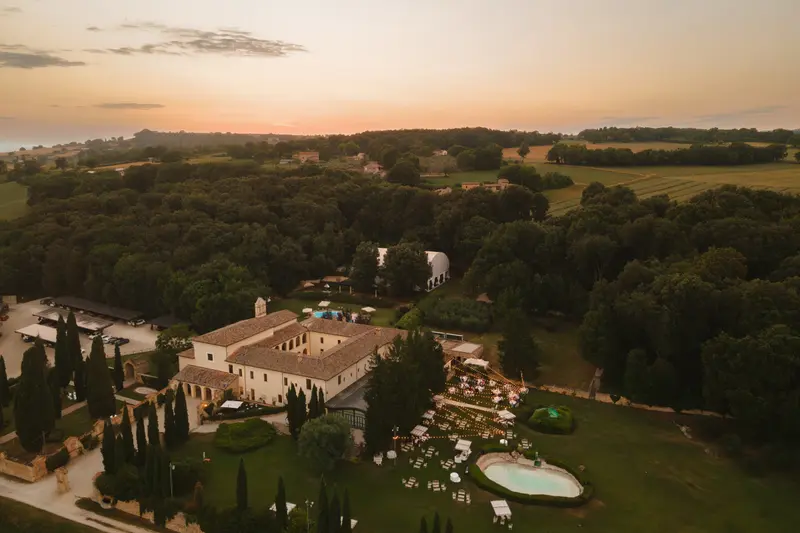
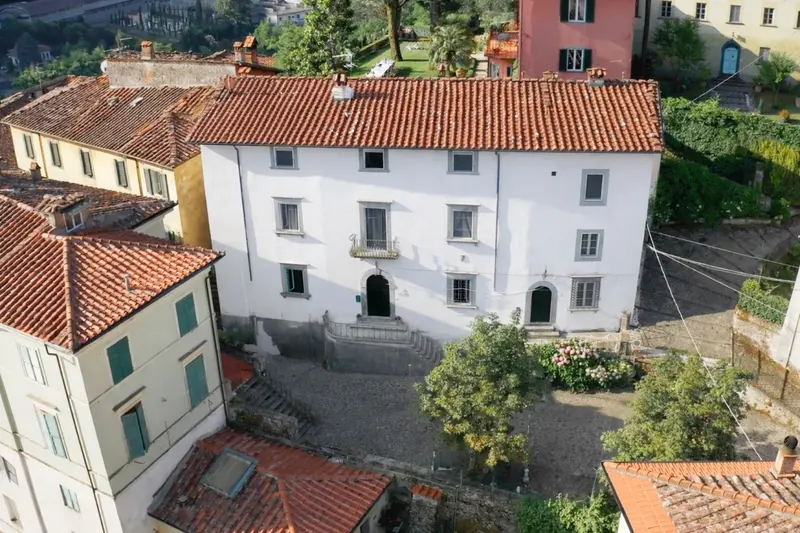
Nearby, above Lucca, Villa Michaela makes the multi-day logic explicit in a way few venues do. Fifty acres of olive groves and pine-clad hills surround a historic villa with its own consecrated chapel licensed for ceremonies, eighteen bedrooms sleeping close to forty guests, a frescoed interior, an illuminated pool and a party room licensed until three in the morning. The estate is available for exclusive use on a three-night minimum. That last detail is the whole revolution compressed into a booking condition. The venue does not offer the wedding weekend as an upgrade. It requires it.
The wedding weekend is also spreading south, to the whitewashed masserie of Puglia and the farm estates of the deep countryside, where the appeal is a slower, more agrarian luxury: olive groves, long tables, a pool in the heat, a whole estate given over to a single celebration for several days. It is the newest chapter of the same story, and the story is always the same. The place is not a venue. It is somewhere to stay.
The Economics of the Buyout
The wedding weekend did not just extend the calendar. It rewired the budget, and it did so around one idea: the buyout.
Castello di Casole near Siena, a tenth-century castello at the heart of a 4,200-acre private estate.
To hold a hundred people in one place for several days, and to guarantee that no other guests, no other events and no other weddings intrude on the experience, couples increasingly take an entire property for exclusive use. At the top of the market this is no longer a request but the premise. Consider Castello di Casole, a Belmond estate in the Tuscan hills near Siena: a tenth-century castello at the heart of a 4,200-acre private estate, with forty-one suites in the castello and two further private villas across the grounds, all offered on a full exclusive-use basis so that the entire wedding party stays on the estate for the duration. Couples marry in a chapel or a restored stone amphitheatre and spend the days between in the spa, the vineyards and the surrounding hills. The estate is not rented for an evening. It is inhabited for a wedding.
This is how a celebration becomes an economy. The ceremony is one line in a budget that now also contains a welcome dinner, a full day or more of activities, a farewell brunch, and the accommodation underneath all of it. The single most expensive decision a modern luxury couple makes is often not the wedding itself. It is the number of nights. And as Villa Michaela's three-night minimum shows, the venues have understood this precisely: once a couple has taken an entire estate for three days, the pressure to fill those three days with hosted experiences becomes almost total. The buyout and the multi-day format are not two trends. They are the same trend seen from two angles.
The New Rituals, and the New Roles
A celebration this long generates its own supporting cast. The clearest example is a job that did not exist a few years ago and is now among the fastest-rising hires in the industry: the wedding content creator, a person distinct from the photographer and videographer, who captures candid, phone-shot, social-ready footage and delivers it within a day or two while the celebration is still unfolding. It has become the single most-requested niche vendor category in recent surveys, and platforms have reported searches for the role climbing several hundred percent year on year. Whatever one makes of it, it is a precise signal of what the modern wedding has become: not only an event to attend, but an experience to broadcast, sustained across enough days to be worth broadcasting.
Around this sit the older rituals, now formalised. The welcome dinner has become a near-obligatory first act, so established that venues like Villa Nascosta write it and the farewell brunch directly into their exclusive-use terms. The day between, once dead time, is now programmed with the things the destination exists to offer: the boat on the lake, the tasting in the cellar, the long lunch, the pool that everyone drifts back to. None of this is filler. It is the actual product. The ceremony is the reason; the days are the experience.
The Uncomfortable Truth
An honest account of this shift cannot end on the terrace. The wedding weekend has a cost, and it is not only the couple who pays it.
Villa Michaela above Lucca, available for exclusive use on a three-night minimum.
The guest does. In the American market, the average cost of attending a single wedding now sits around 610 dollars, and rises to roughly 1,680 dollars for a guest who has to fly. Stretch that across a multi-day destination celebration, with several nights of accommodation and days of activity, and the figure climbs steeply. The consequences are measurable. A quarter of younger guests report having declined a wedding event specifically because of cost. Nearly a third of recent wedding attendees have taken on debt to be there. Close to half of millennials and Gen Z say that spending on other people's celebrations is actively interfering with their own goals, from buying a home to starting a family.
This is the tension a thoughtful planner now has to hold. The multi-day destination wedding is, for the couple, the most generous possible gesture: an invitation to share not an evening but a stretch of life. For some of the people invited, it is also an invoice they cannot easily refuse. The most sophisticated hosts have started to understand this, and to design around it, absorbing more of the guest burden, being clearer about what is genuinely optional, and resisting the instinct to let every empty hour become another ticketed experience. The wedding weekend is at its best when it feels like hospitality. It curdles when it starts to feel like an obligation.
LWD Perspective
The future of the luxury wedding will not be measured by the spectacle of a single day, but by the quality of the time built around it, and by the care with which that time is designed.
The numbers confirm what the best planners already sense. This is a real and fast-growing market, led decisively by Italy, mapped across Como and the Amalfi Coast and the estates of Tuscany, structured around the buyout, and sustained by days rather than hours. But the same numbers carry a warning. A celebration long enough to become unforgettable is also long enough to become a burden, and the difference between the two is not budget. It is judgement.
The couples choosing this path are not asking for more of a wedding. They are asking for more time with the people the wedding was always meant to be for. The task, for everyone who serves them, is to make sure that time remains a gift.
The greatest luxury a wedding can offer is no longer spectacle. It is time, given generously, and received without cost.
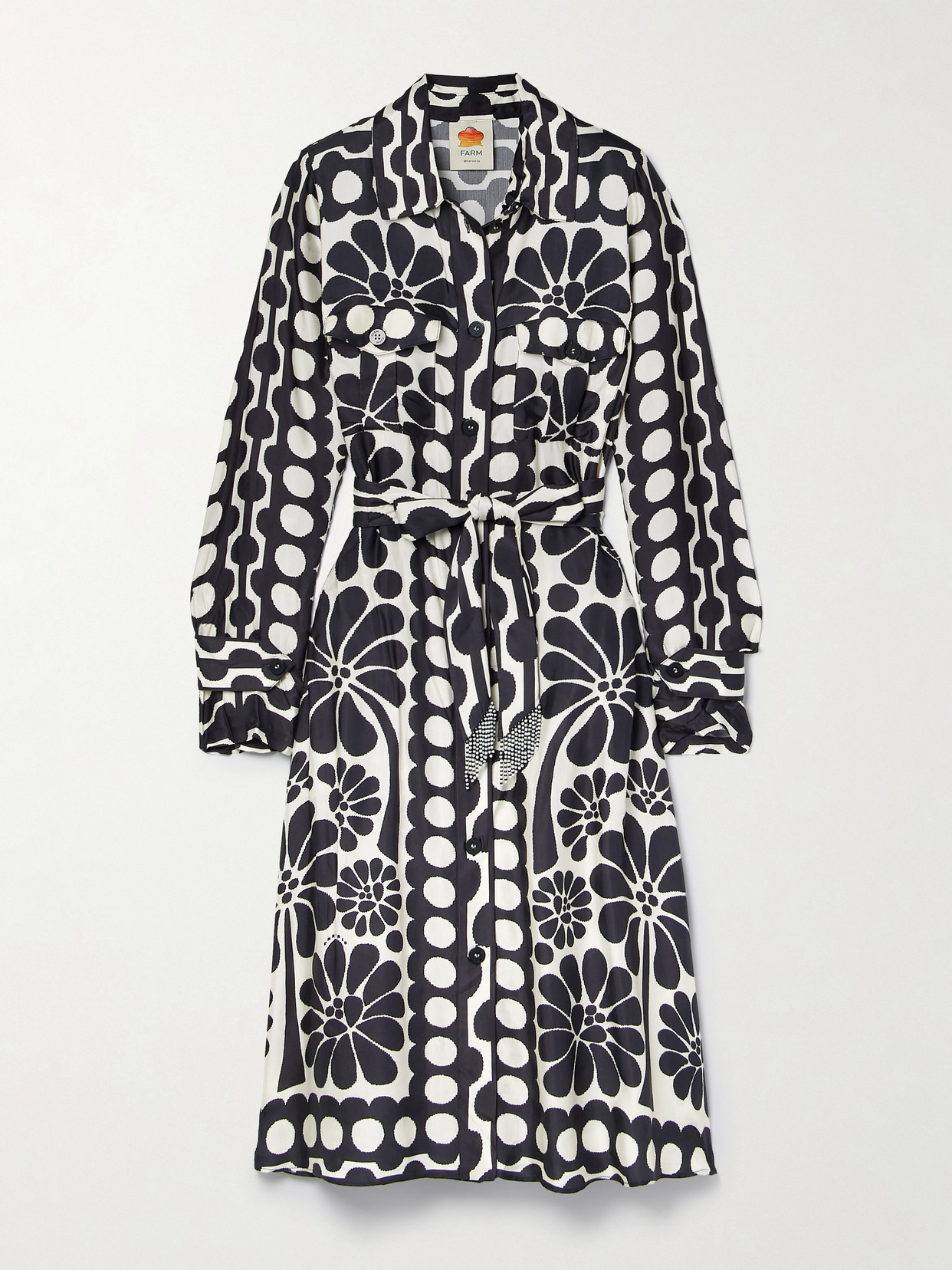
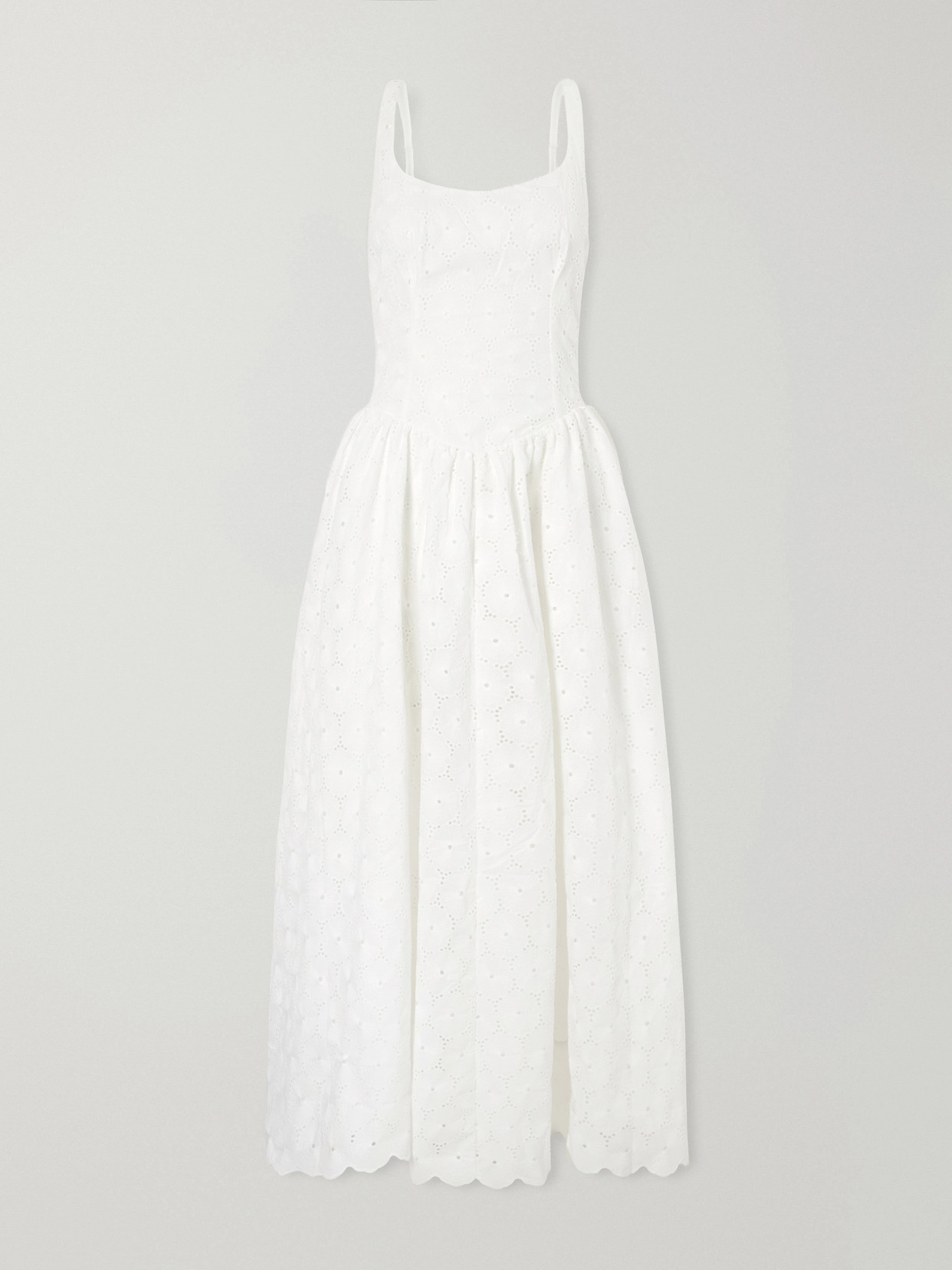
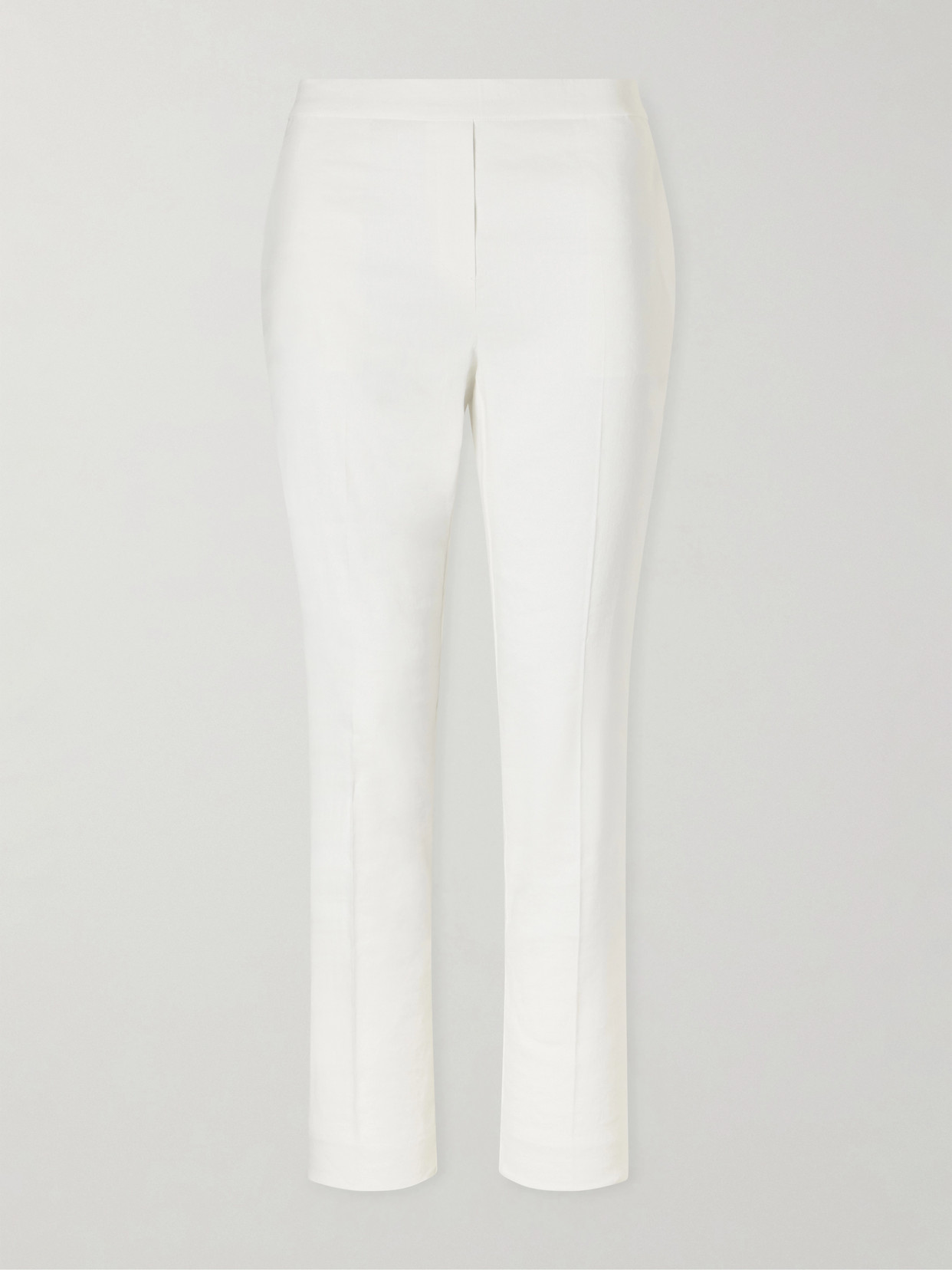
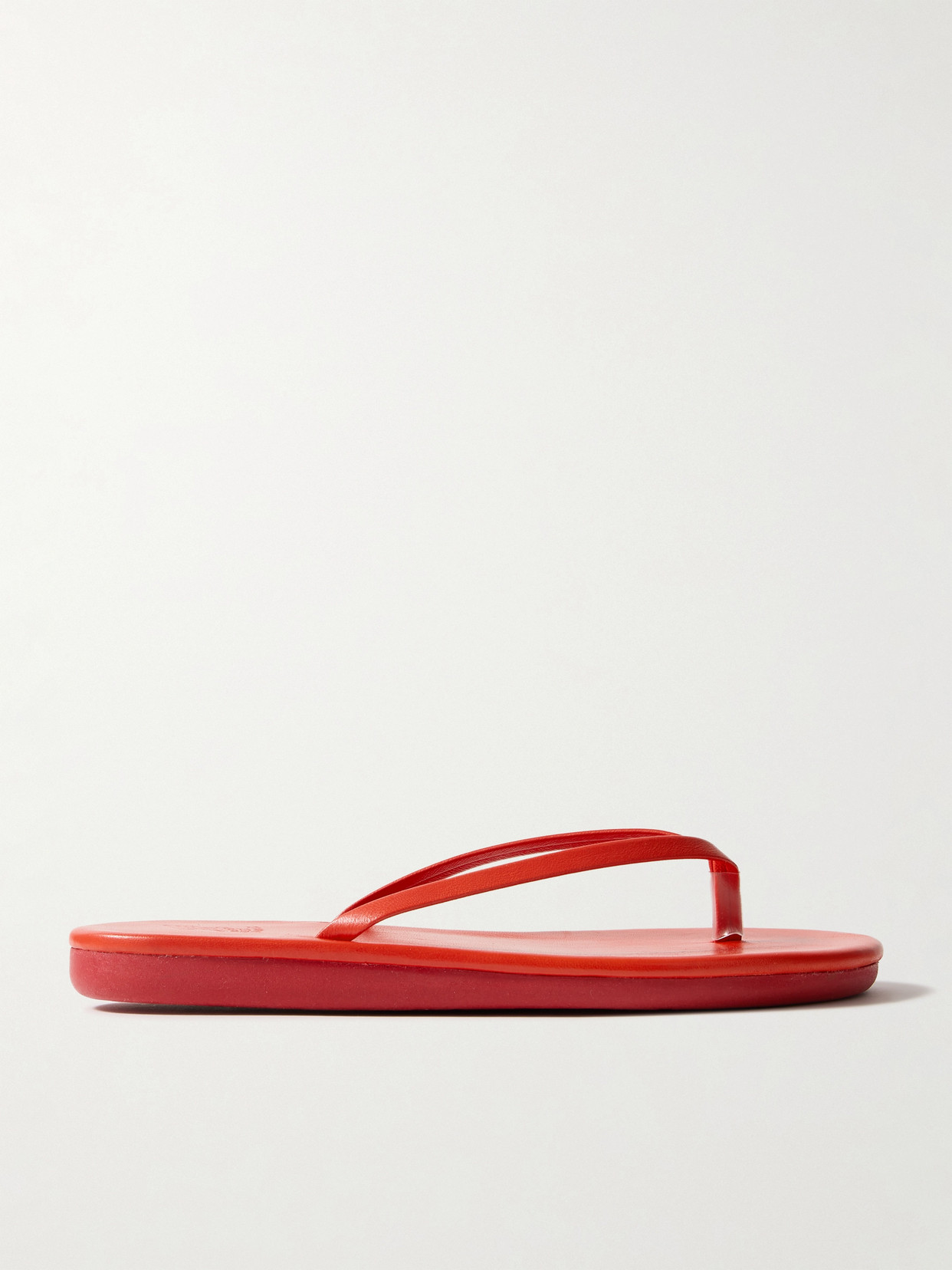
The Wedding Weekend Wardrobe
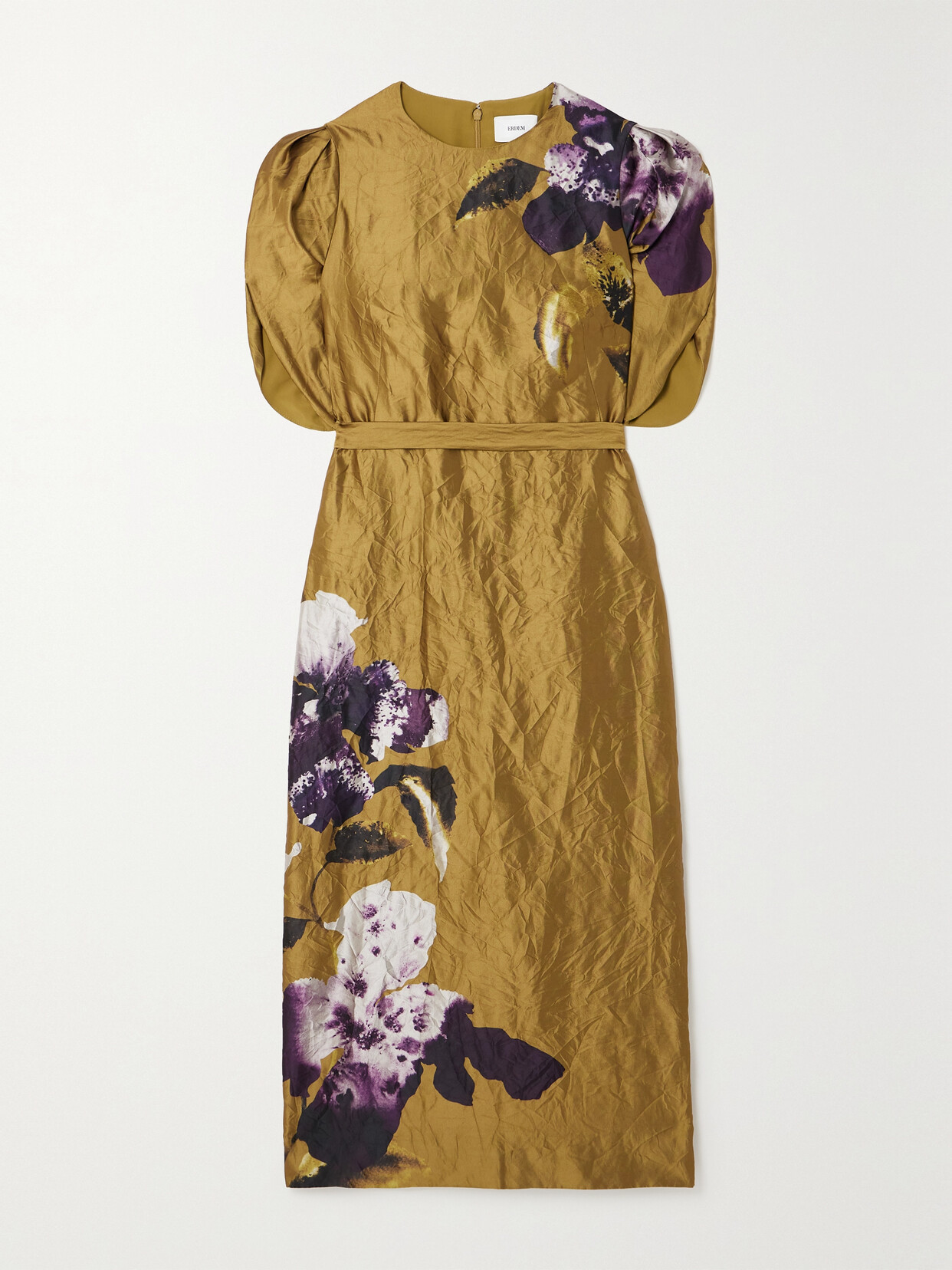
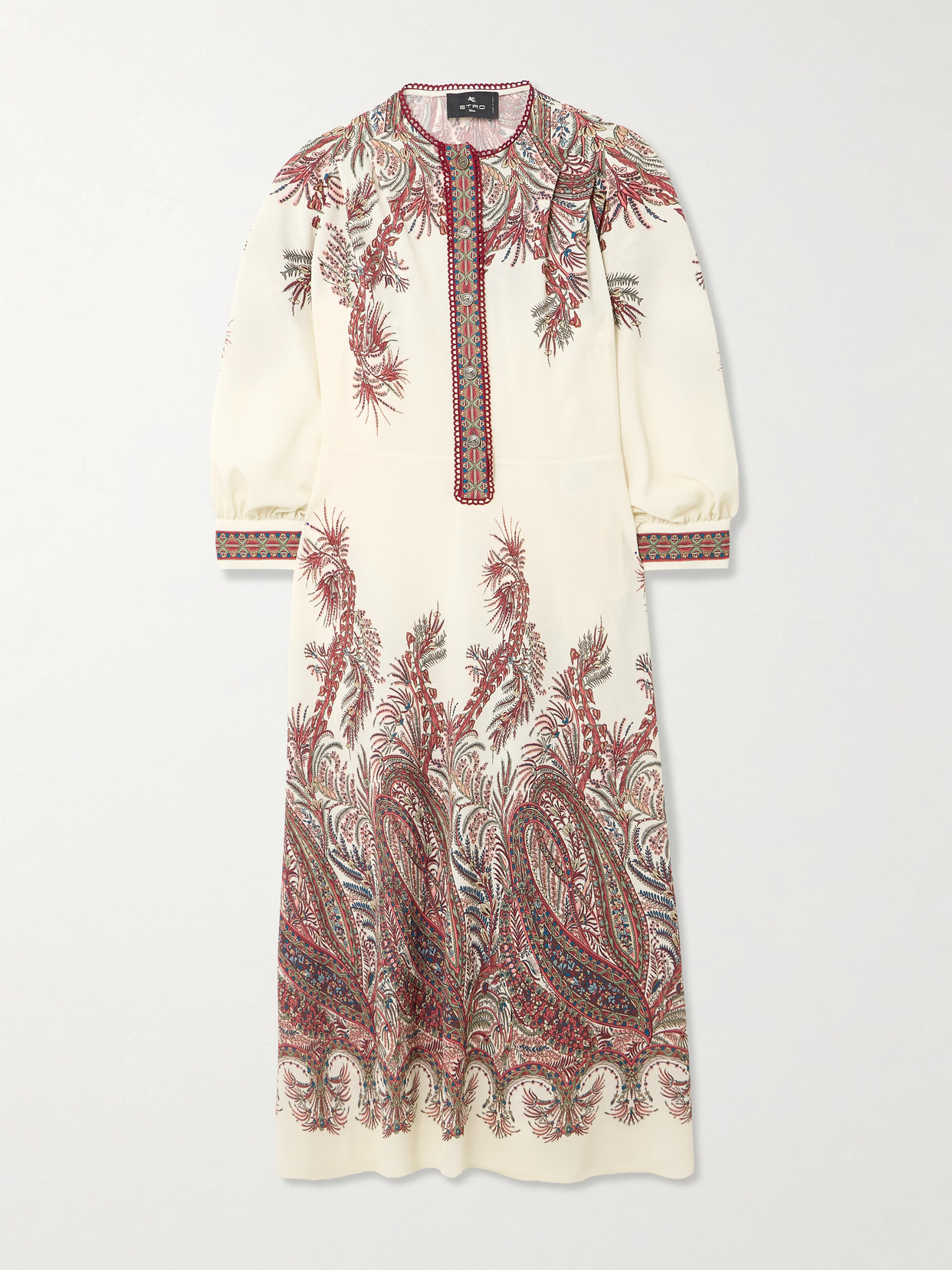
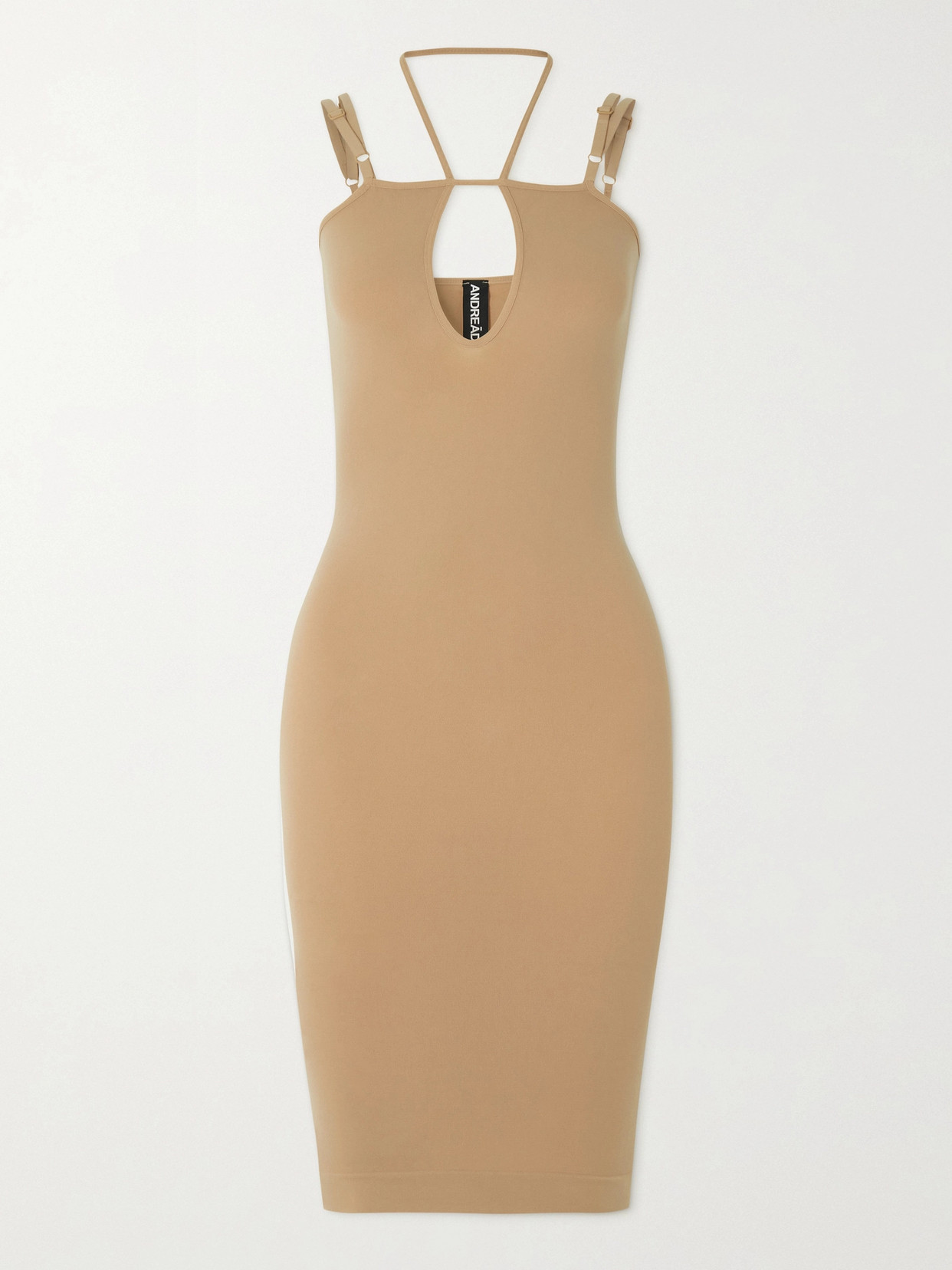
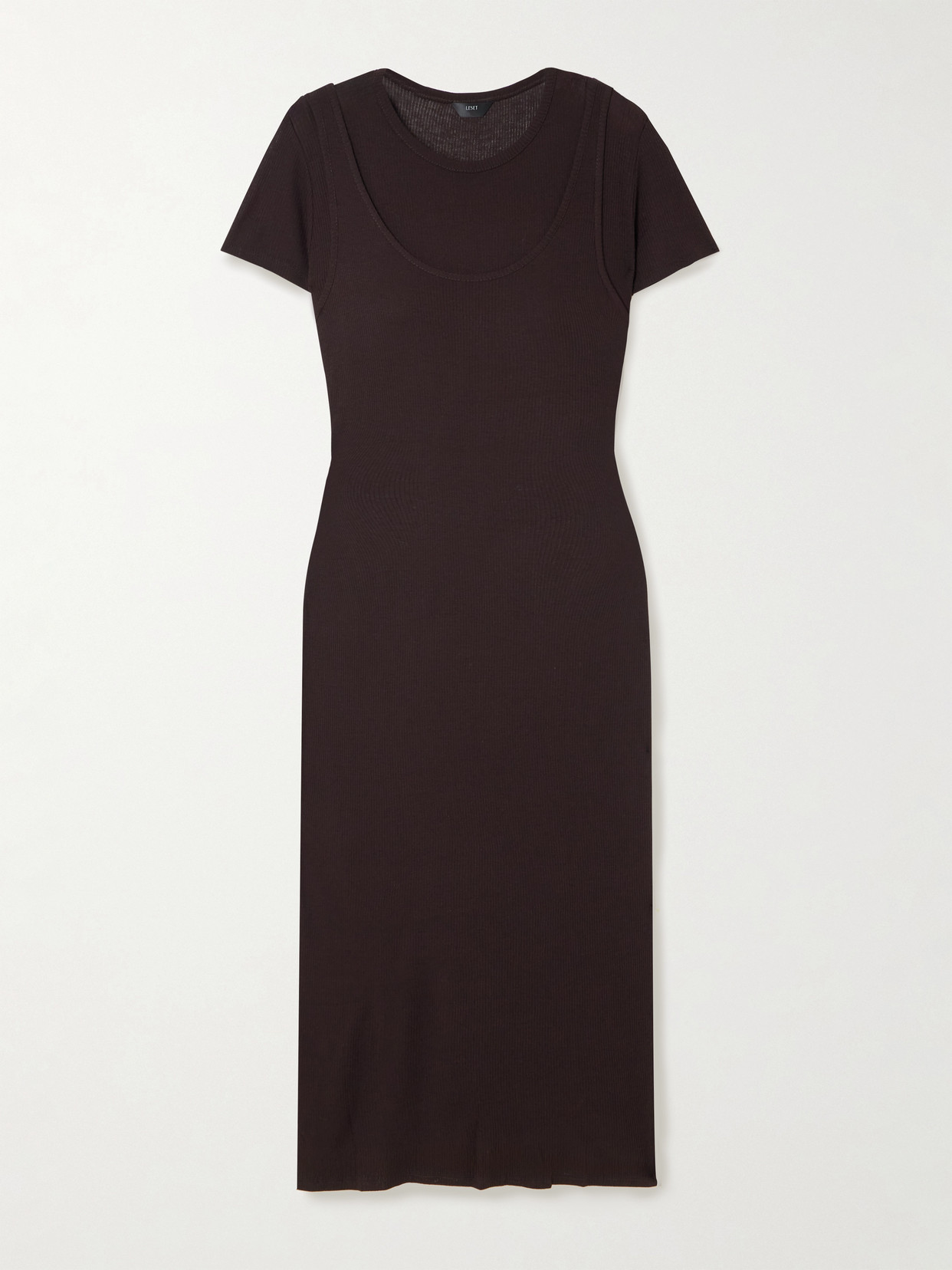
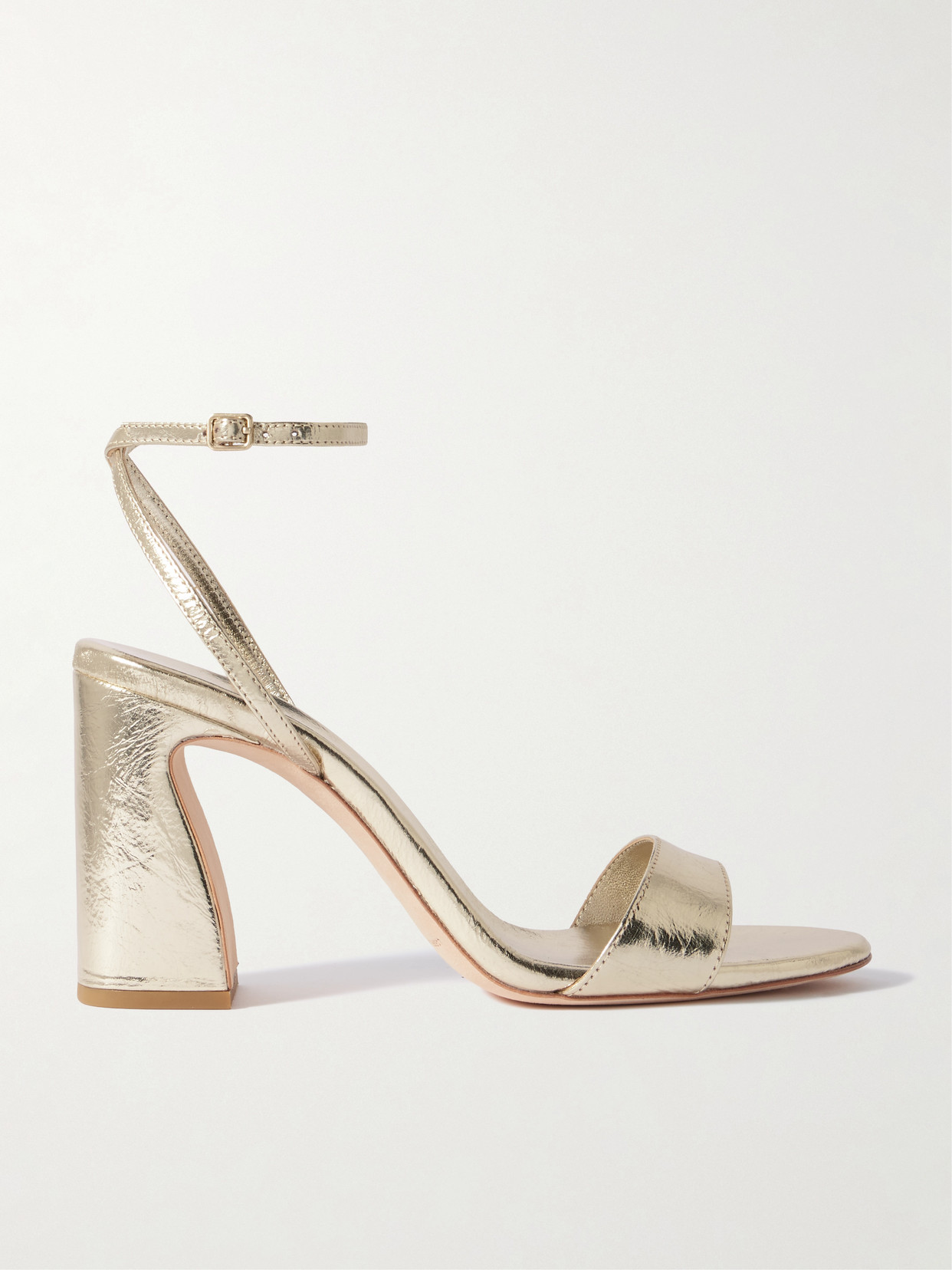
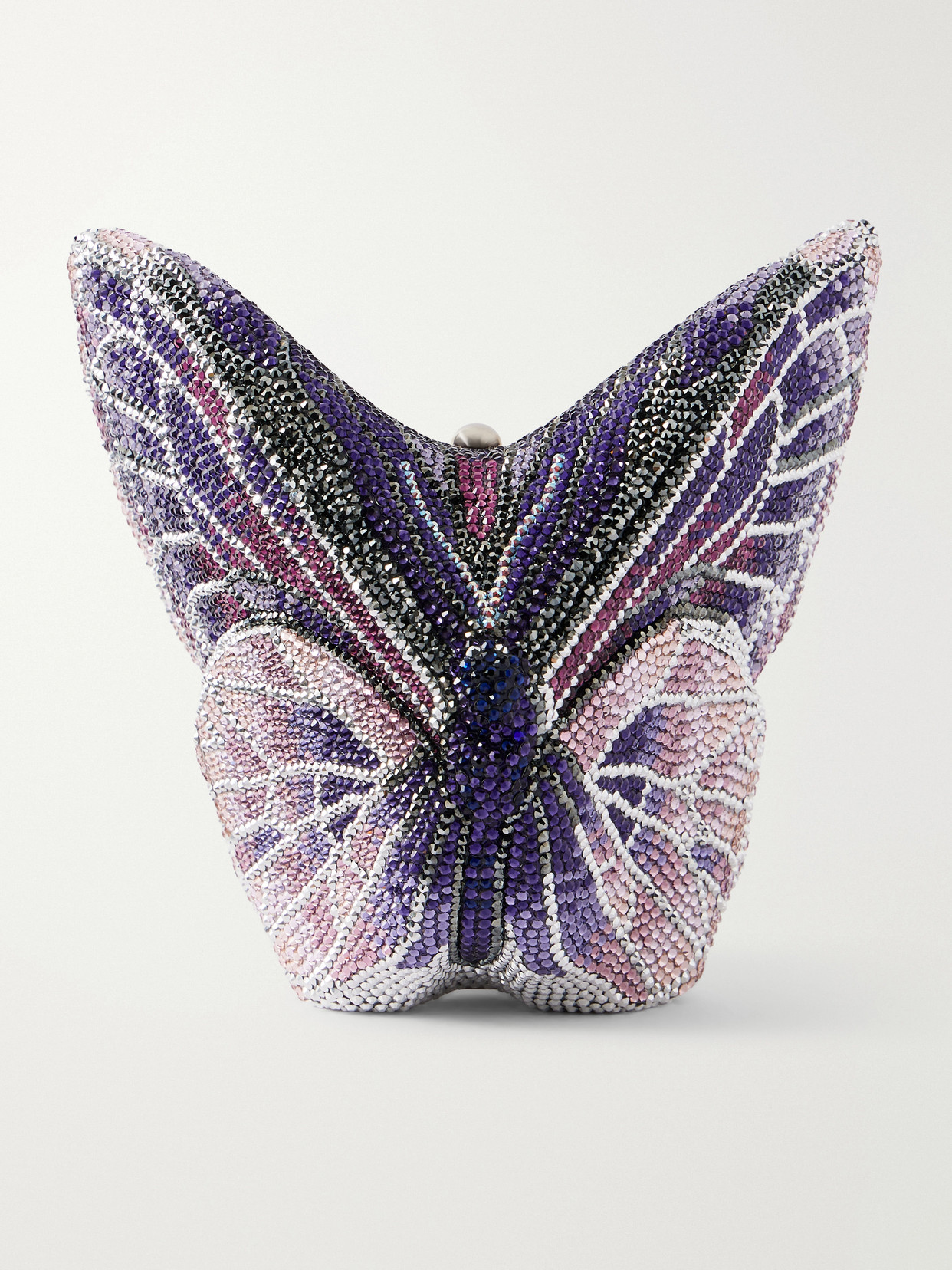
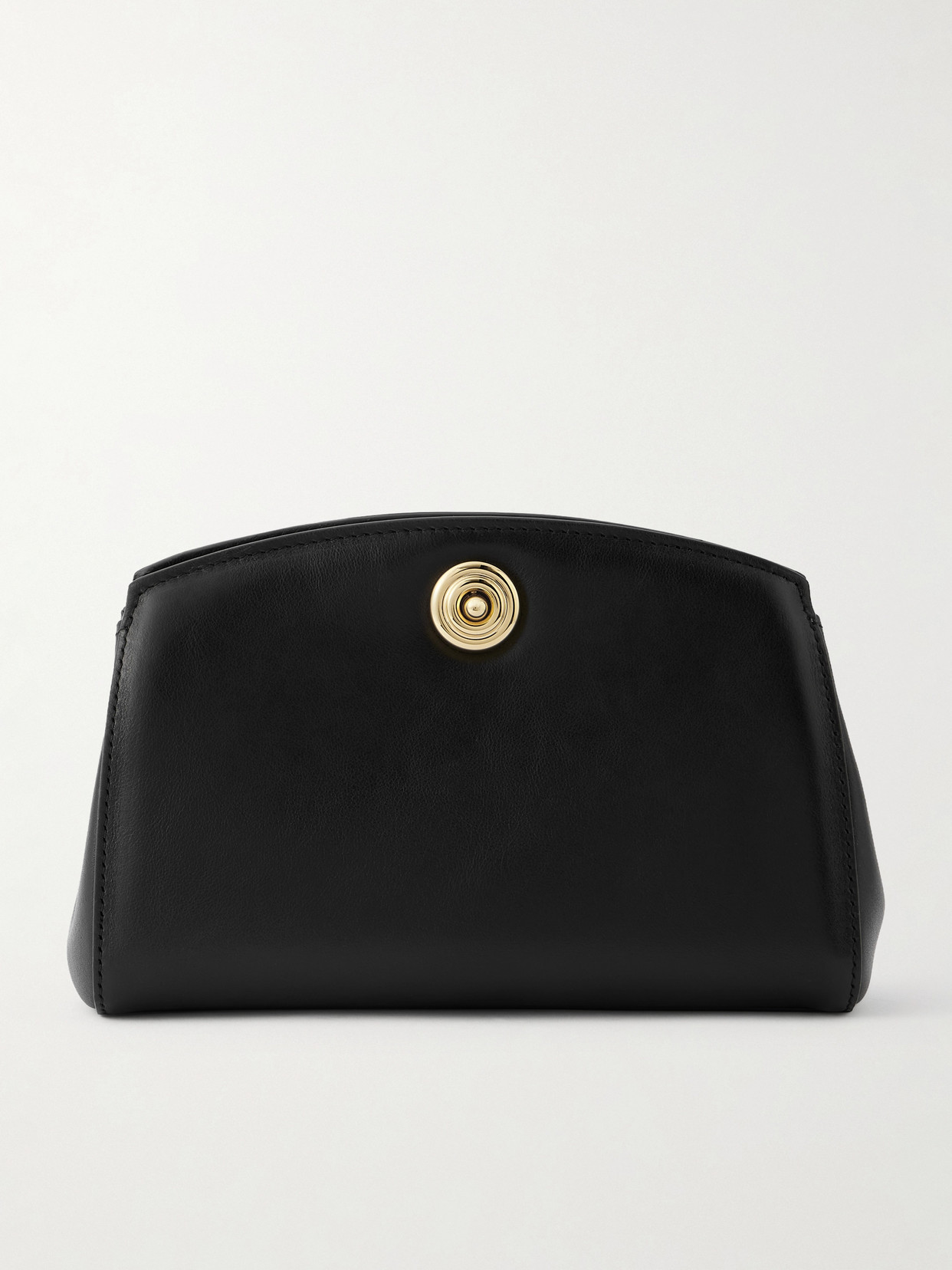
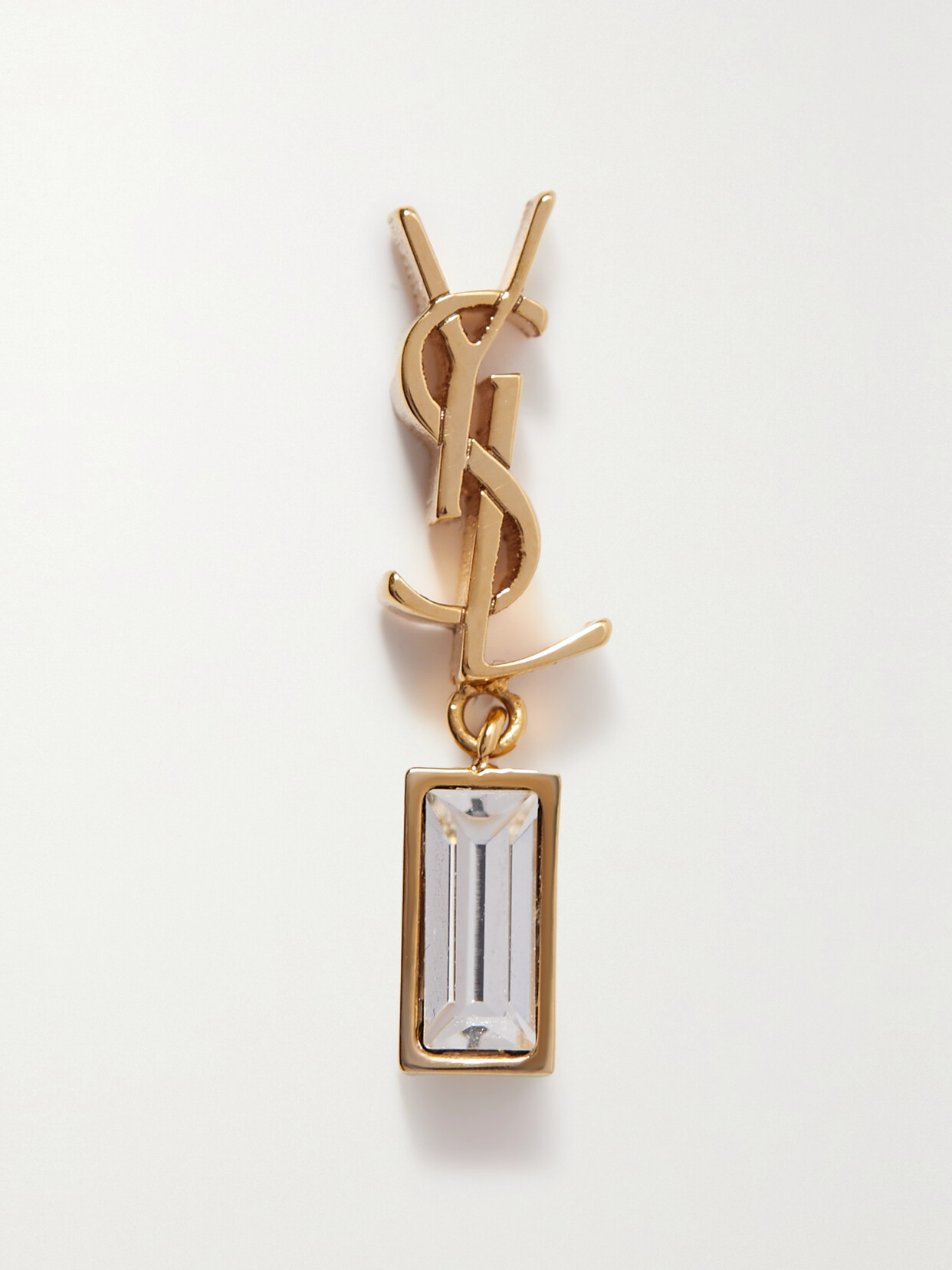
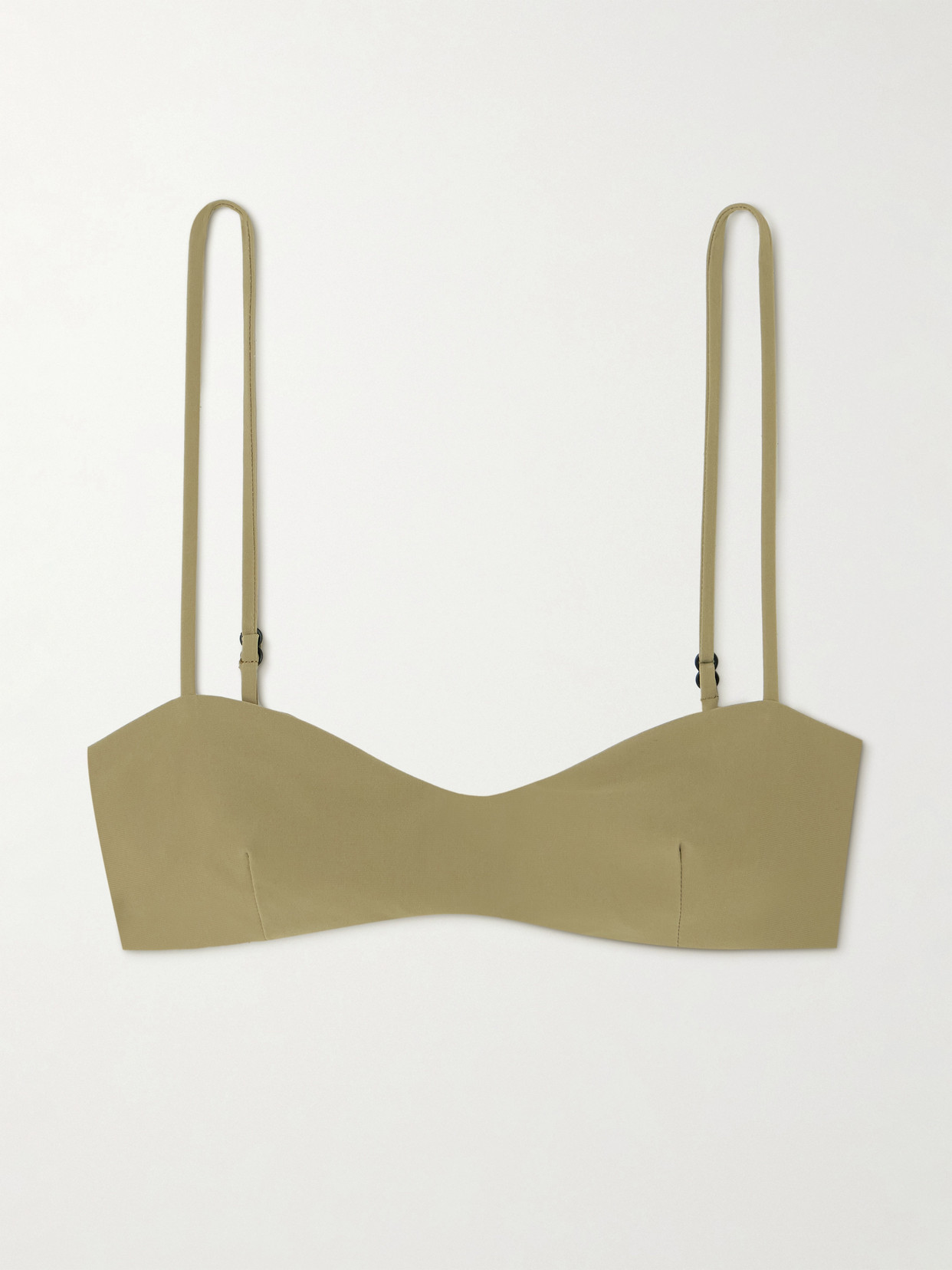
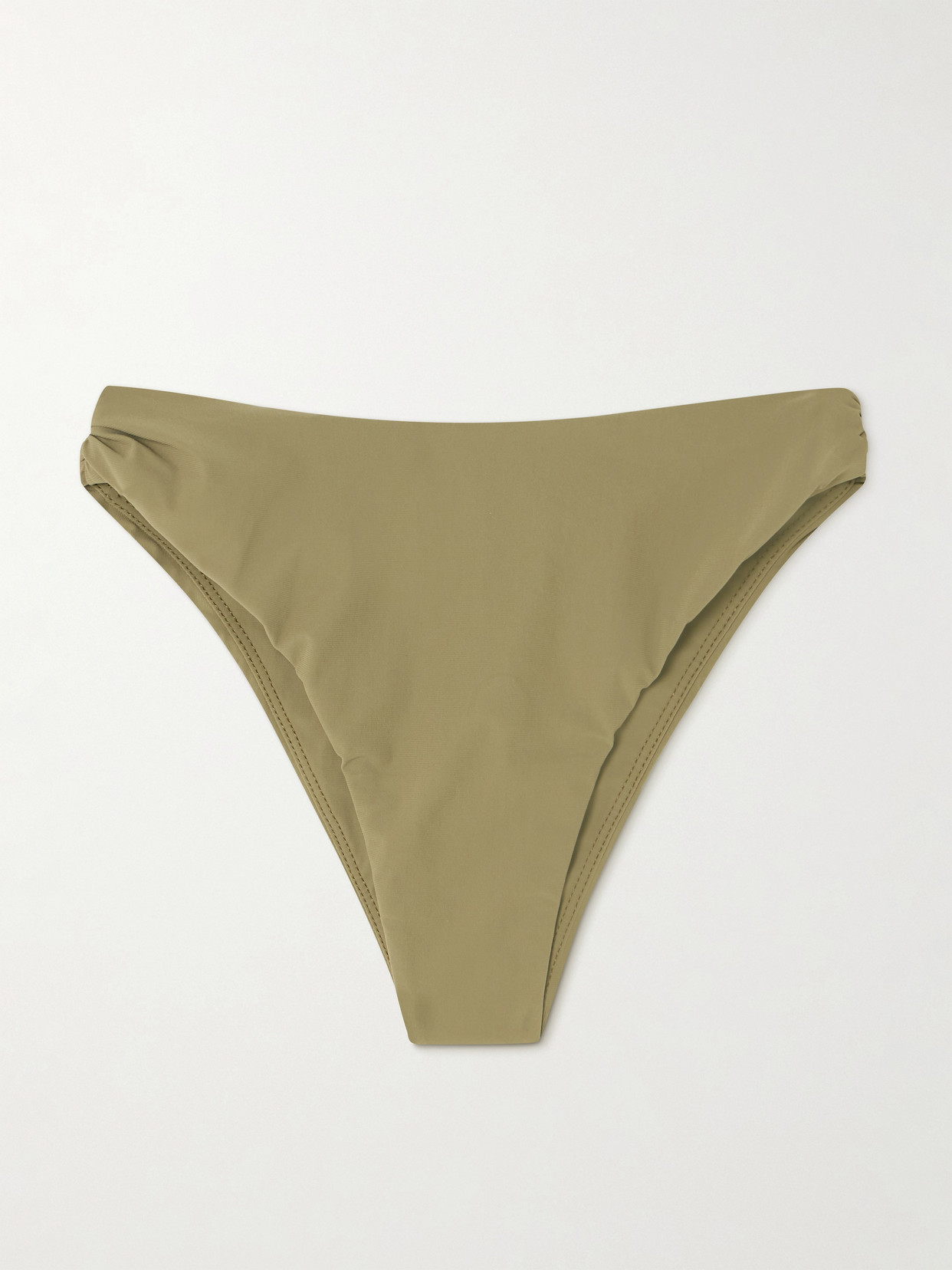
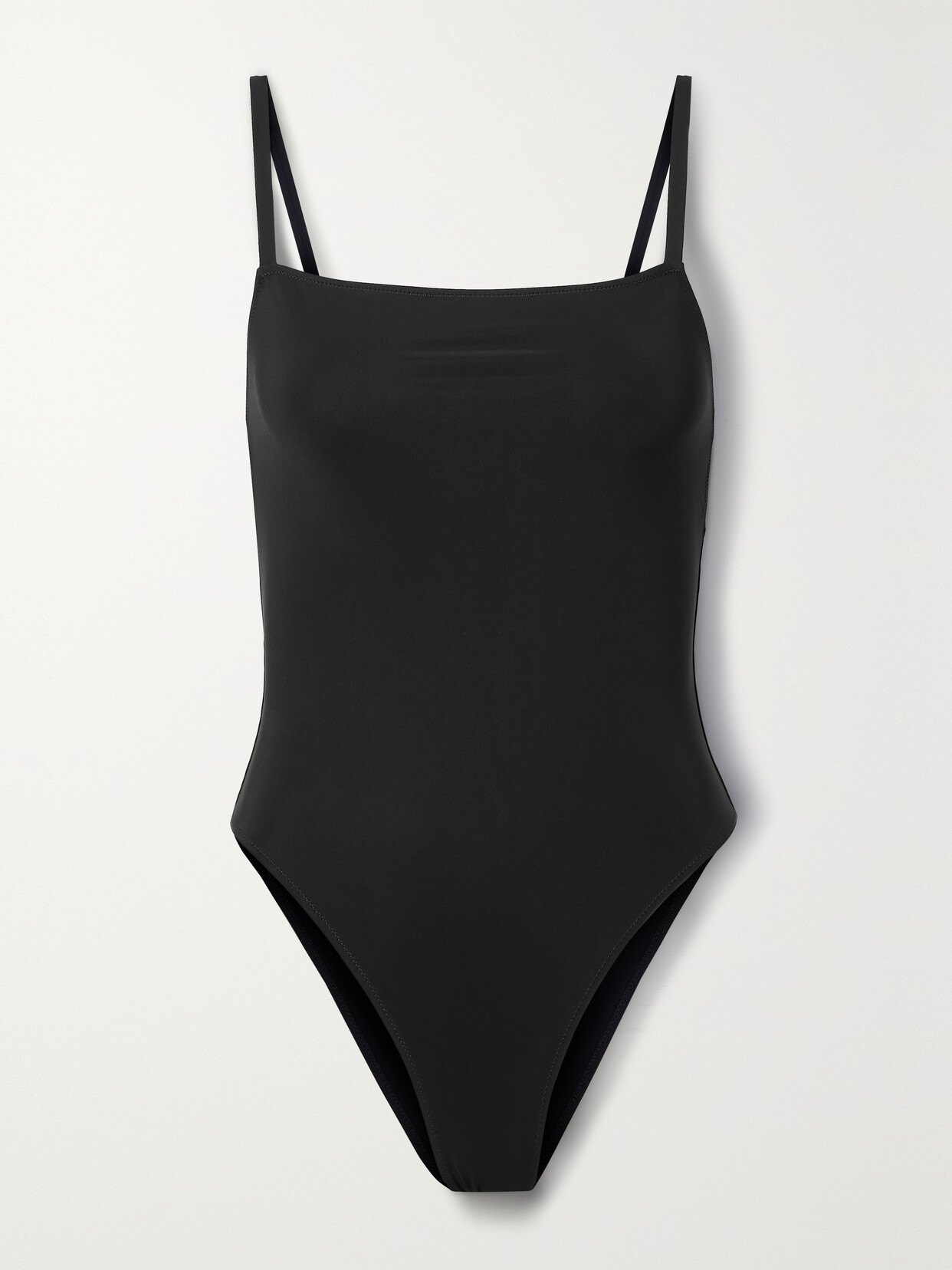
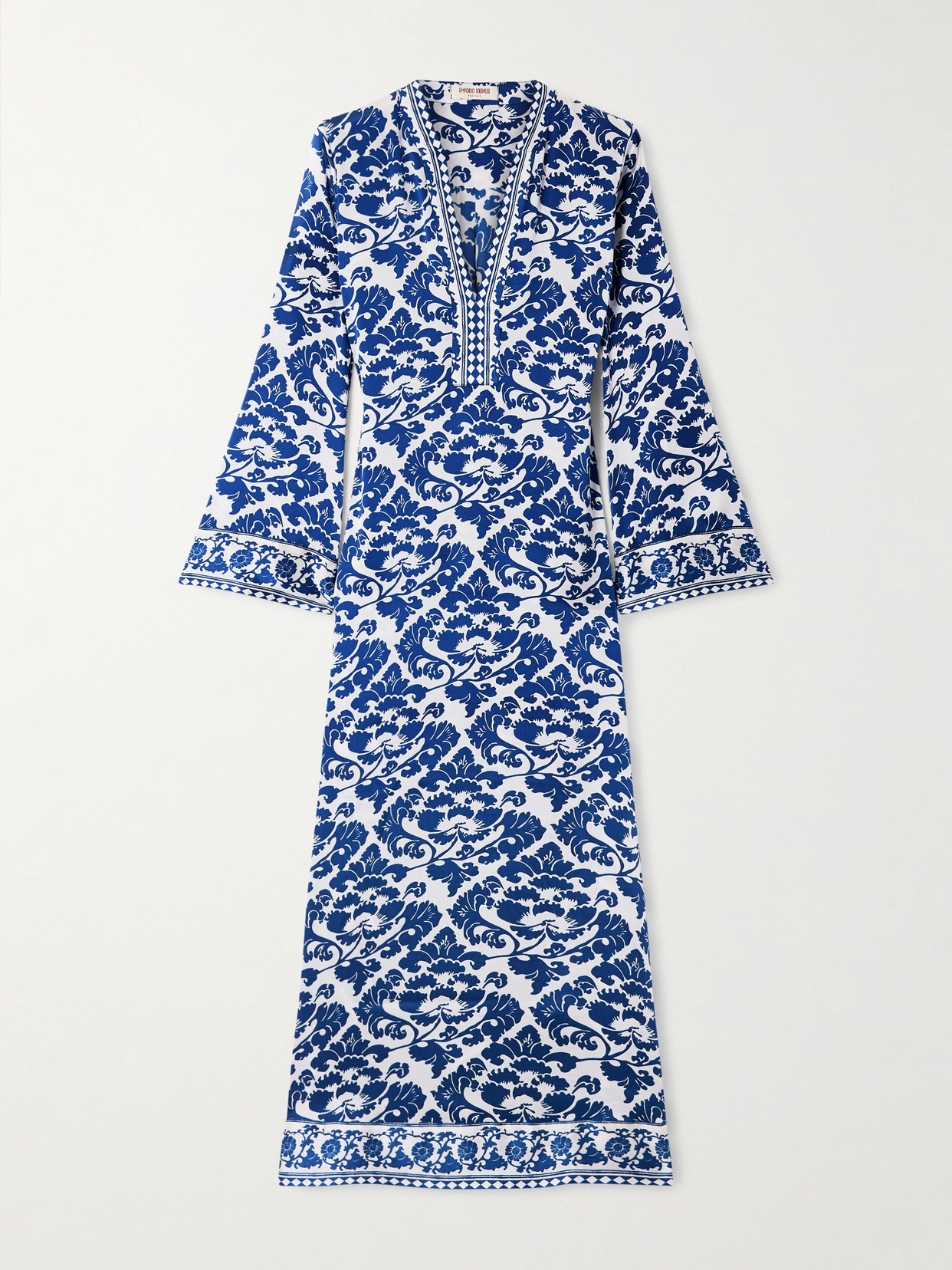
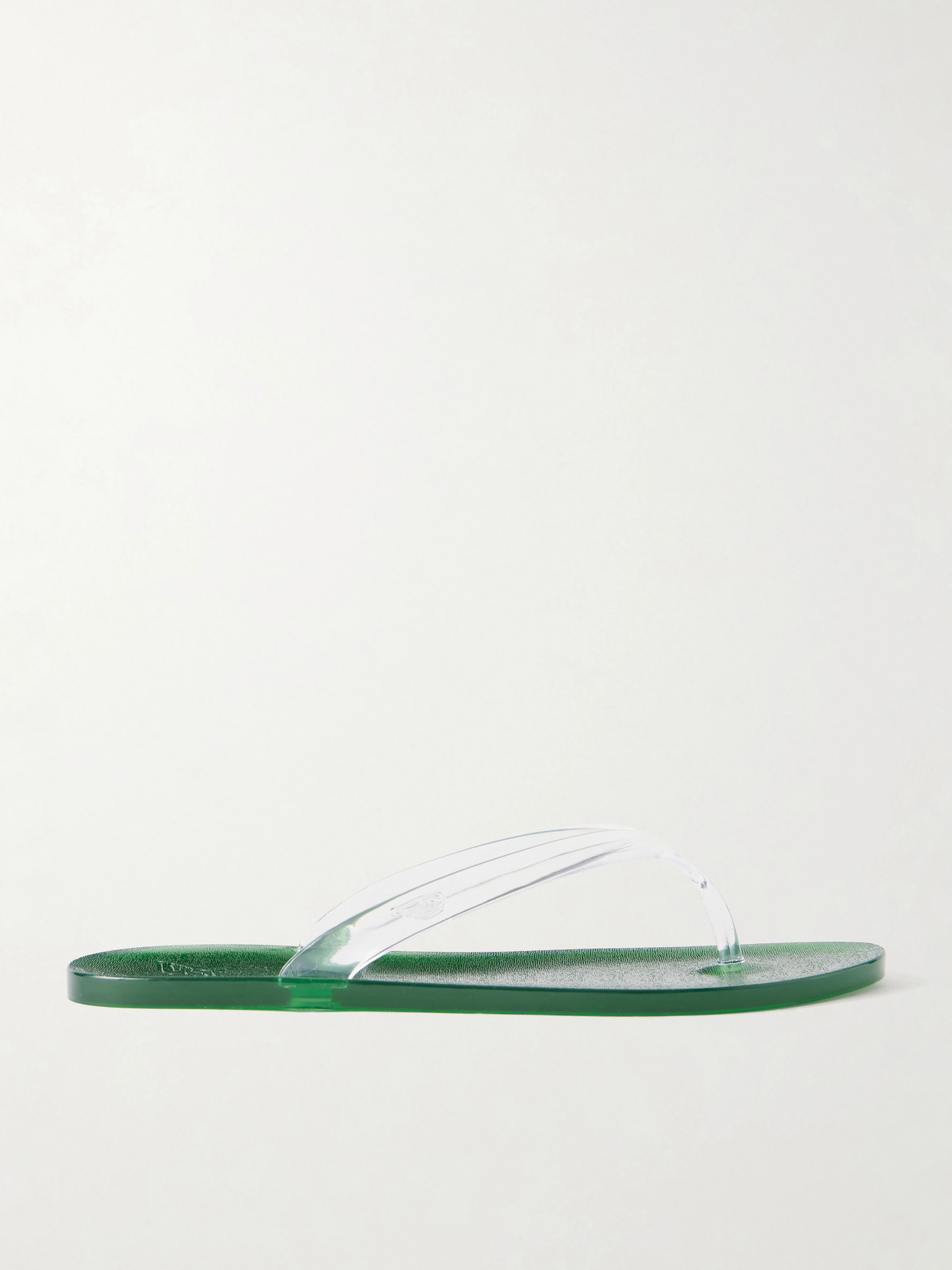
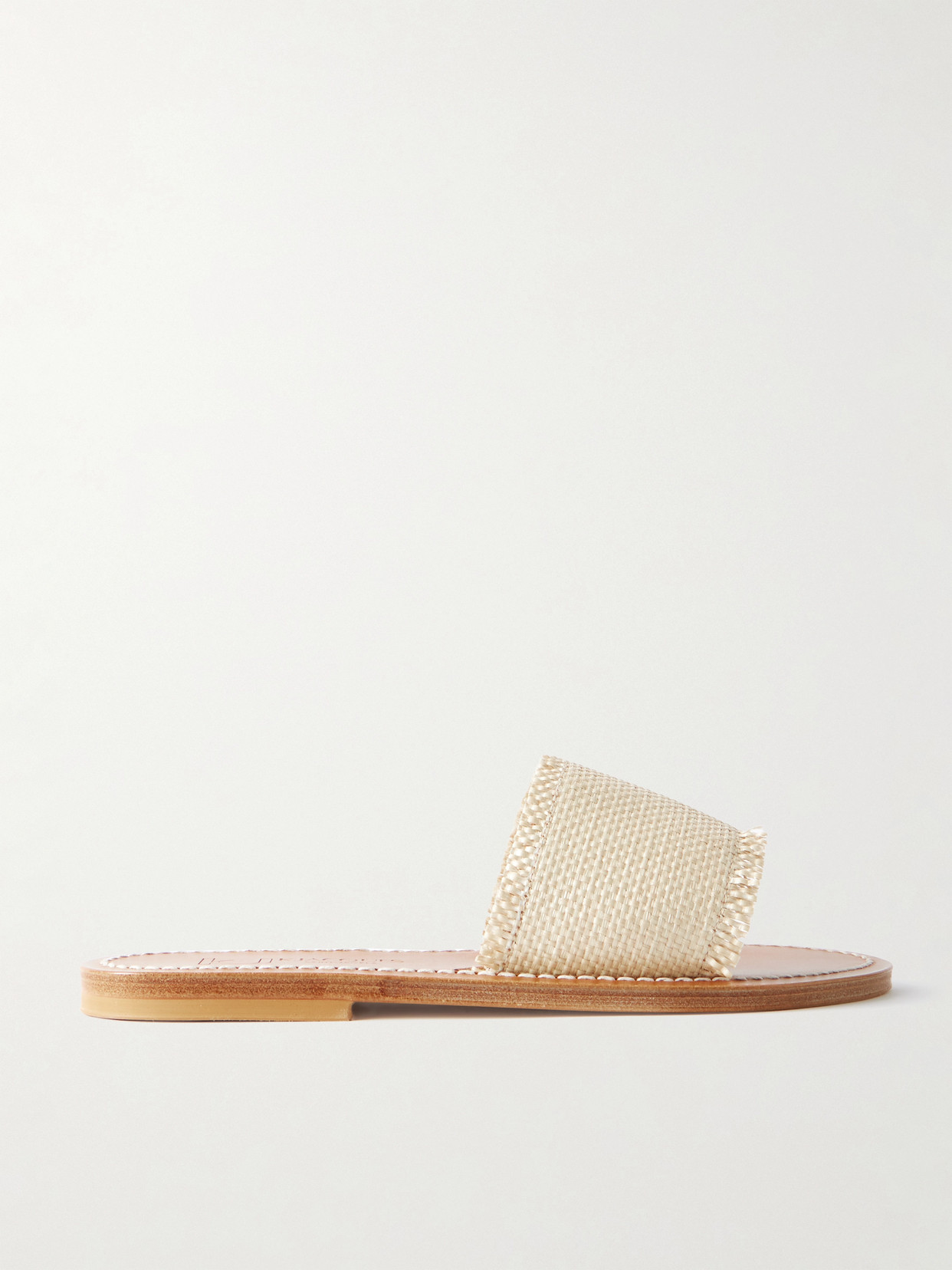
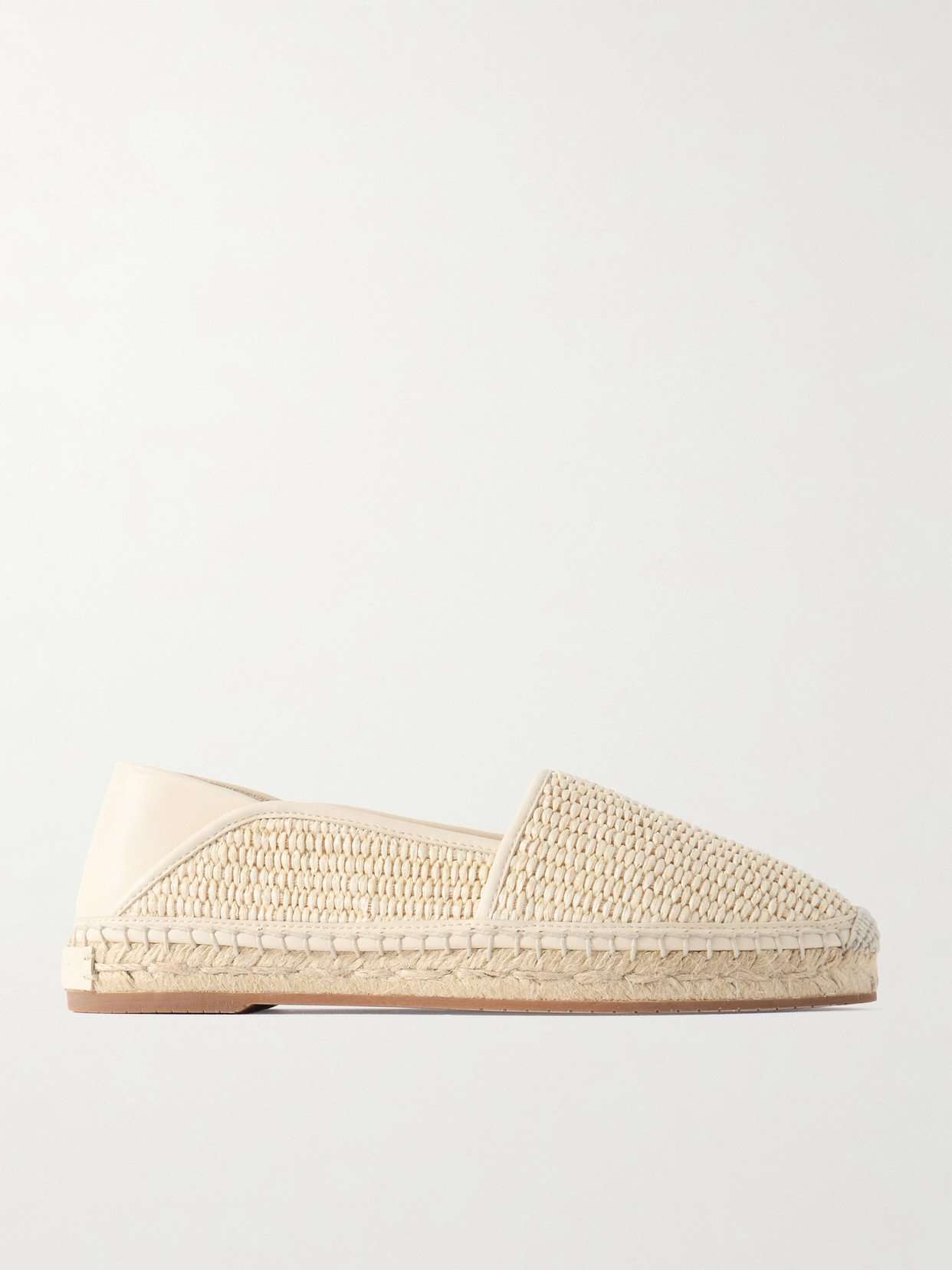
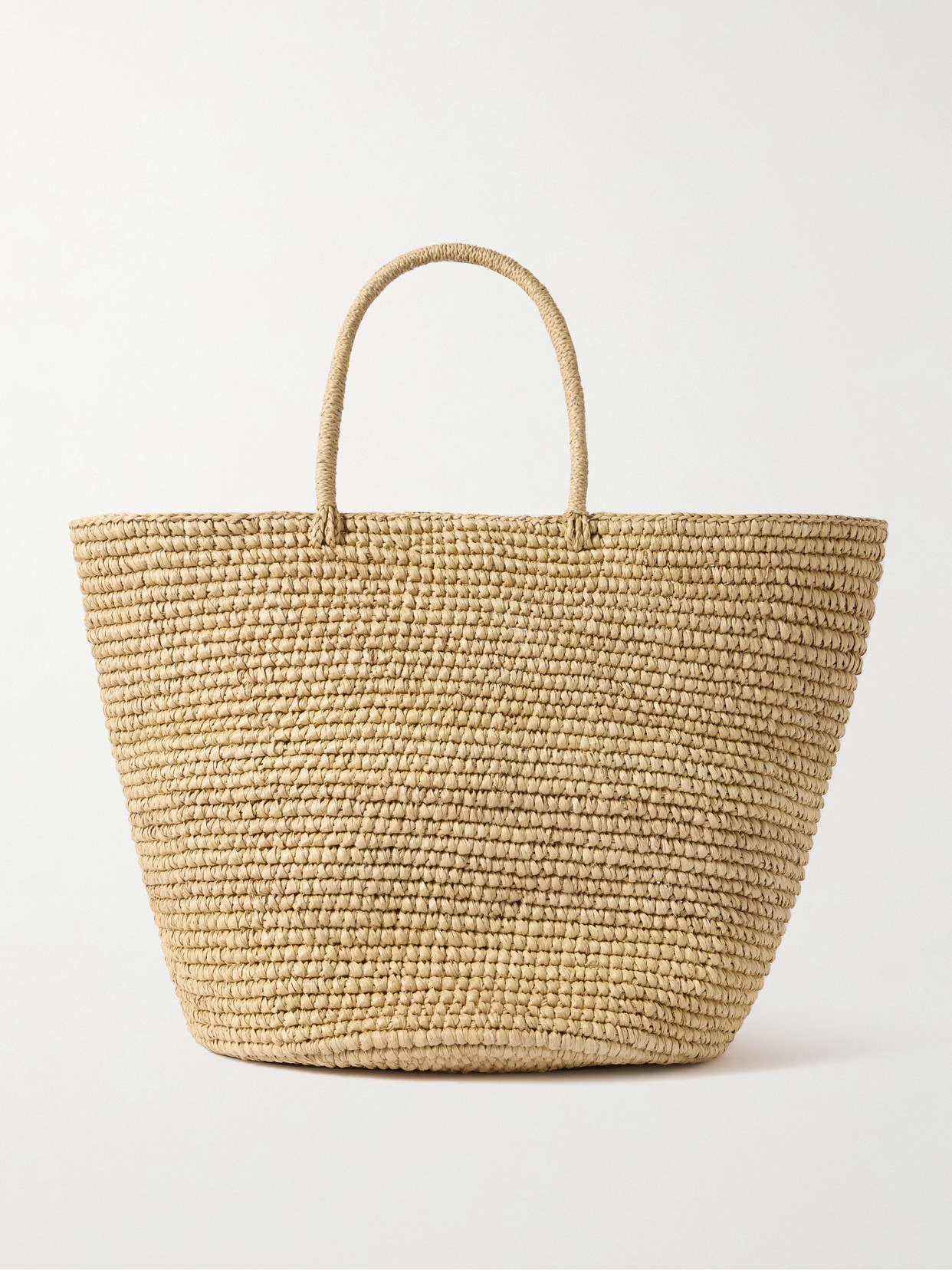
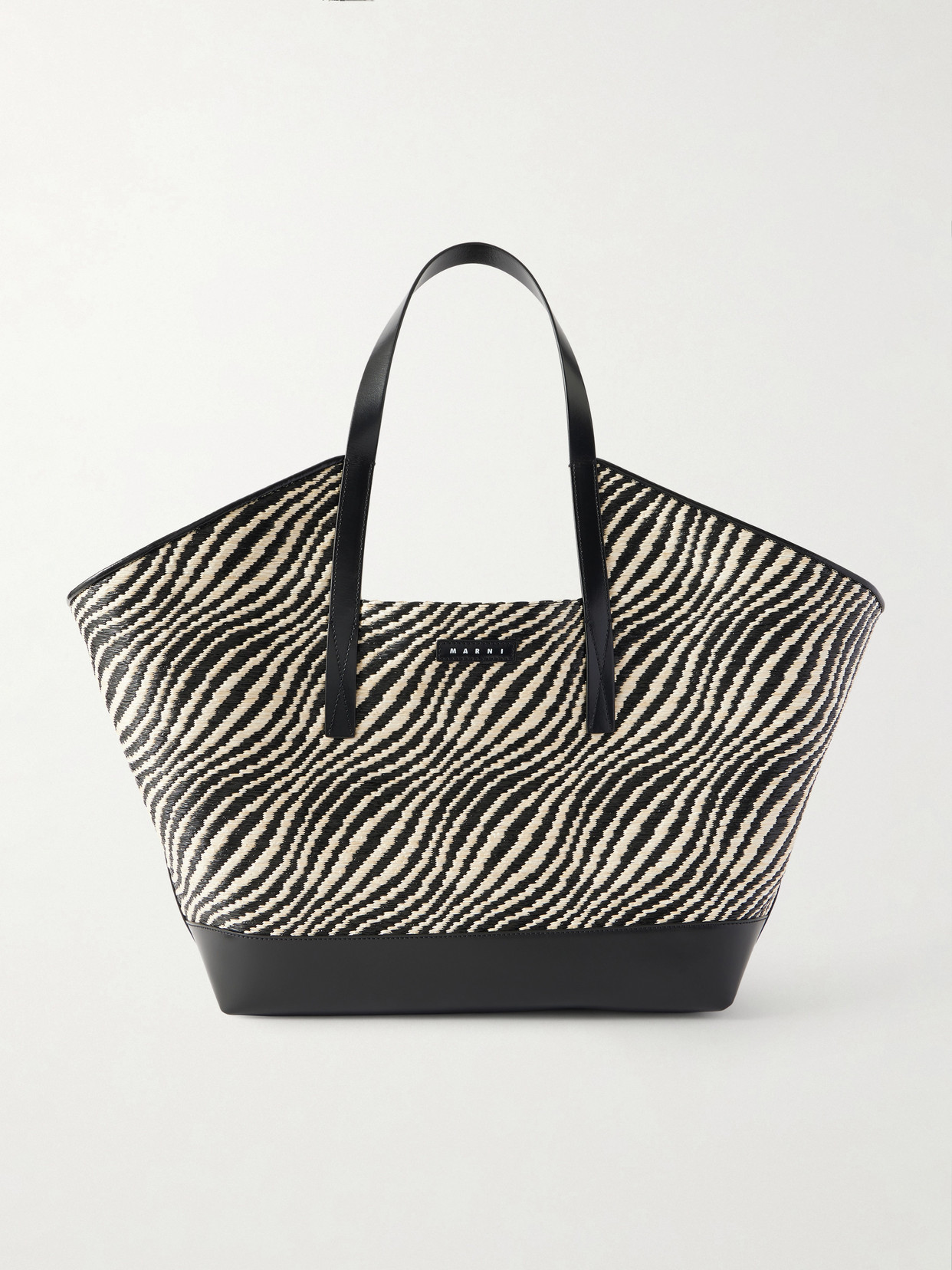
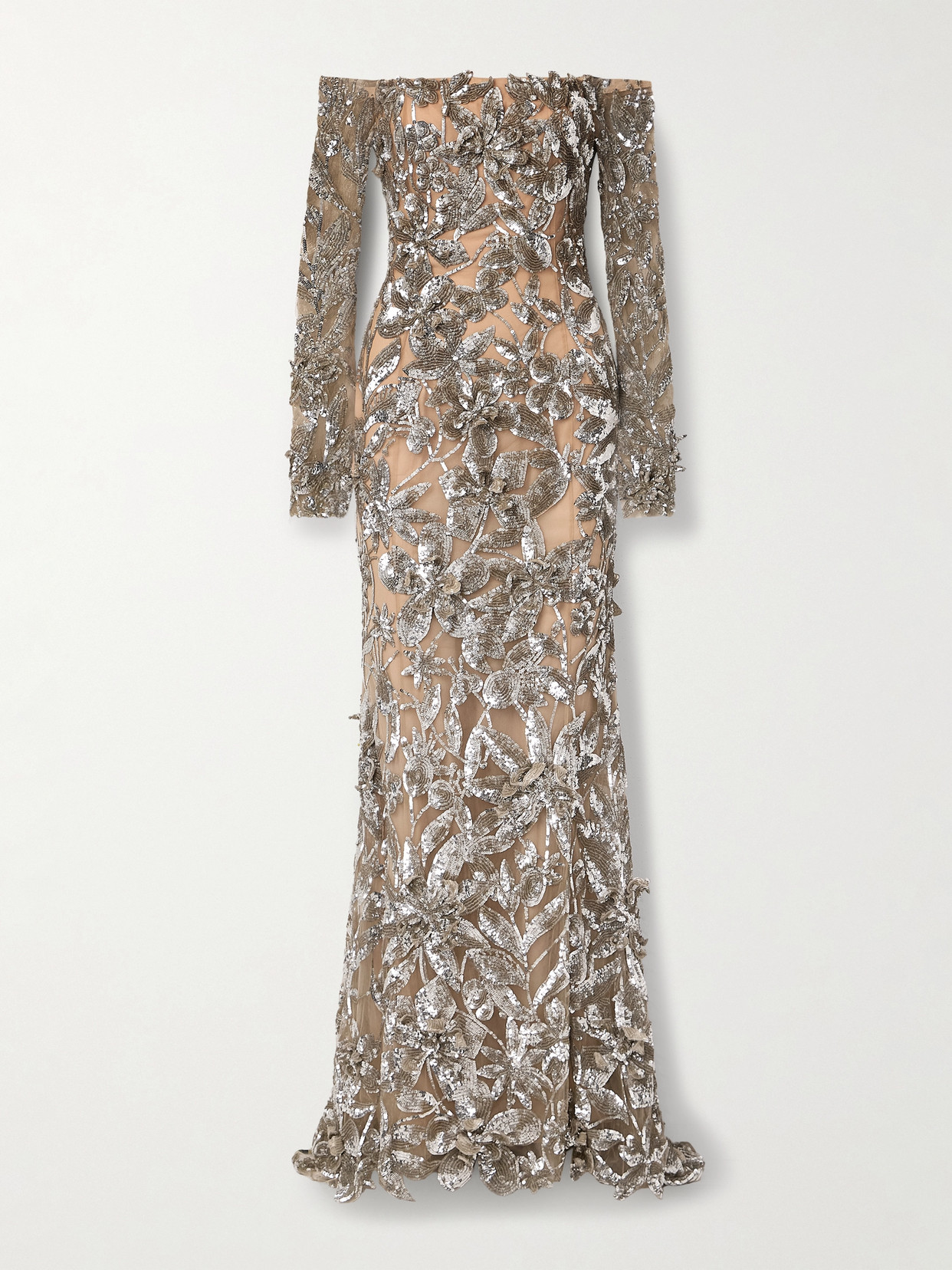
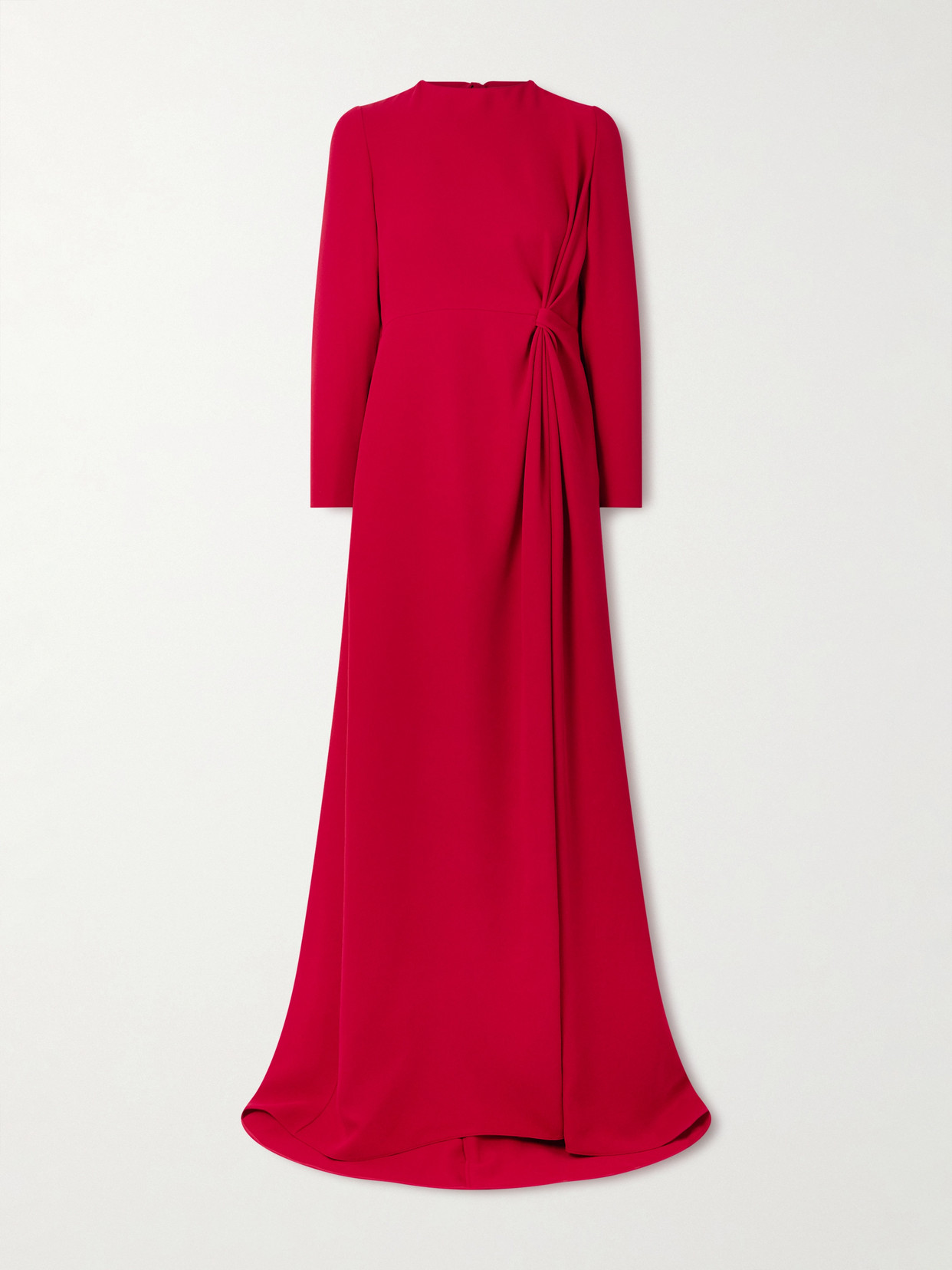
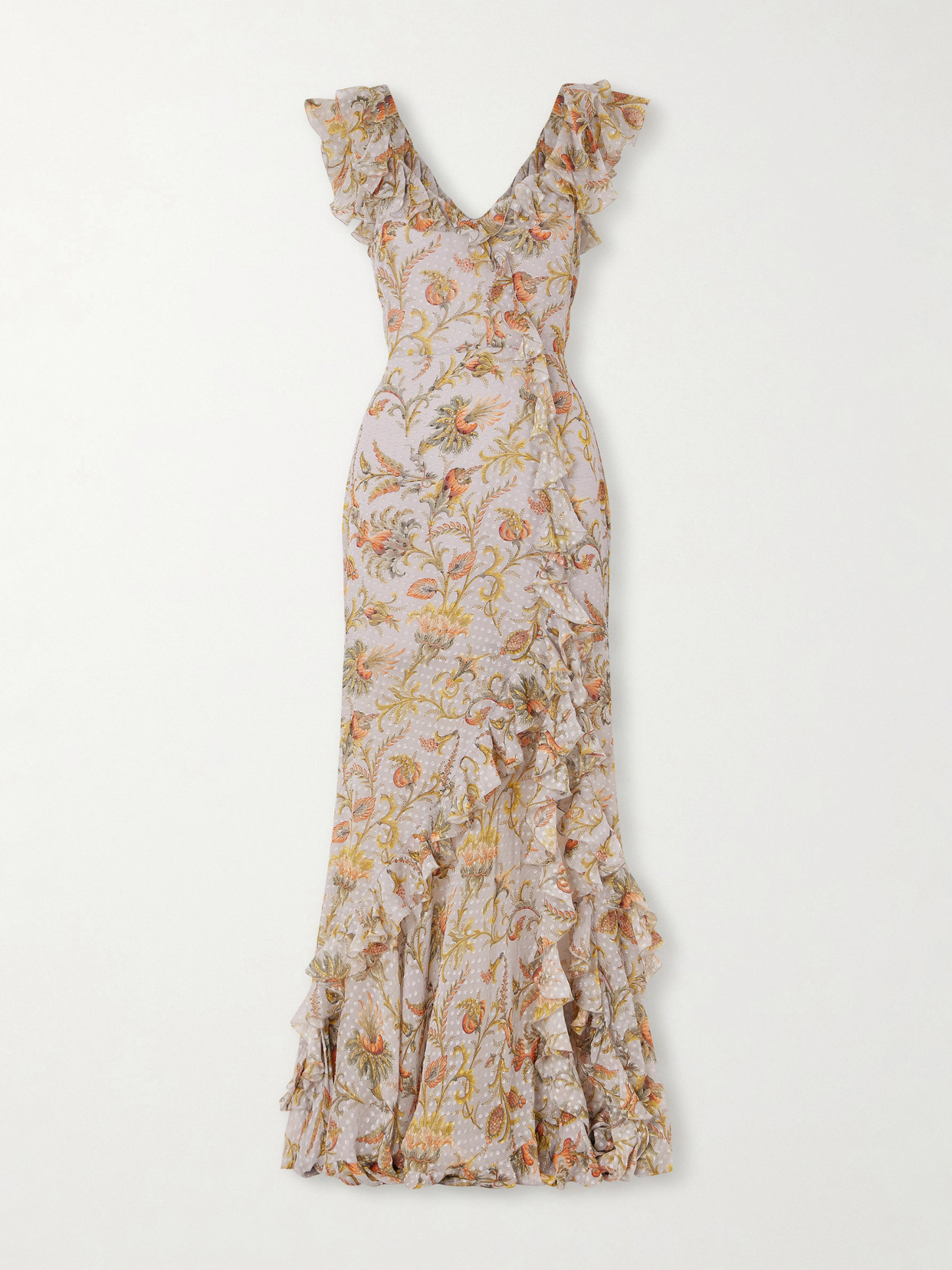
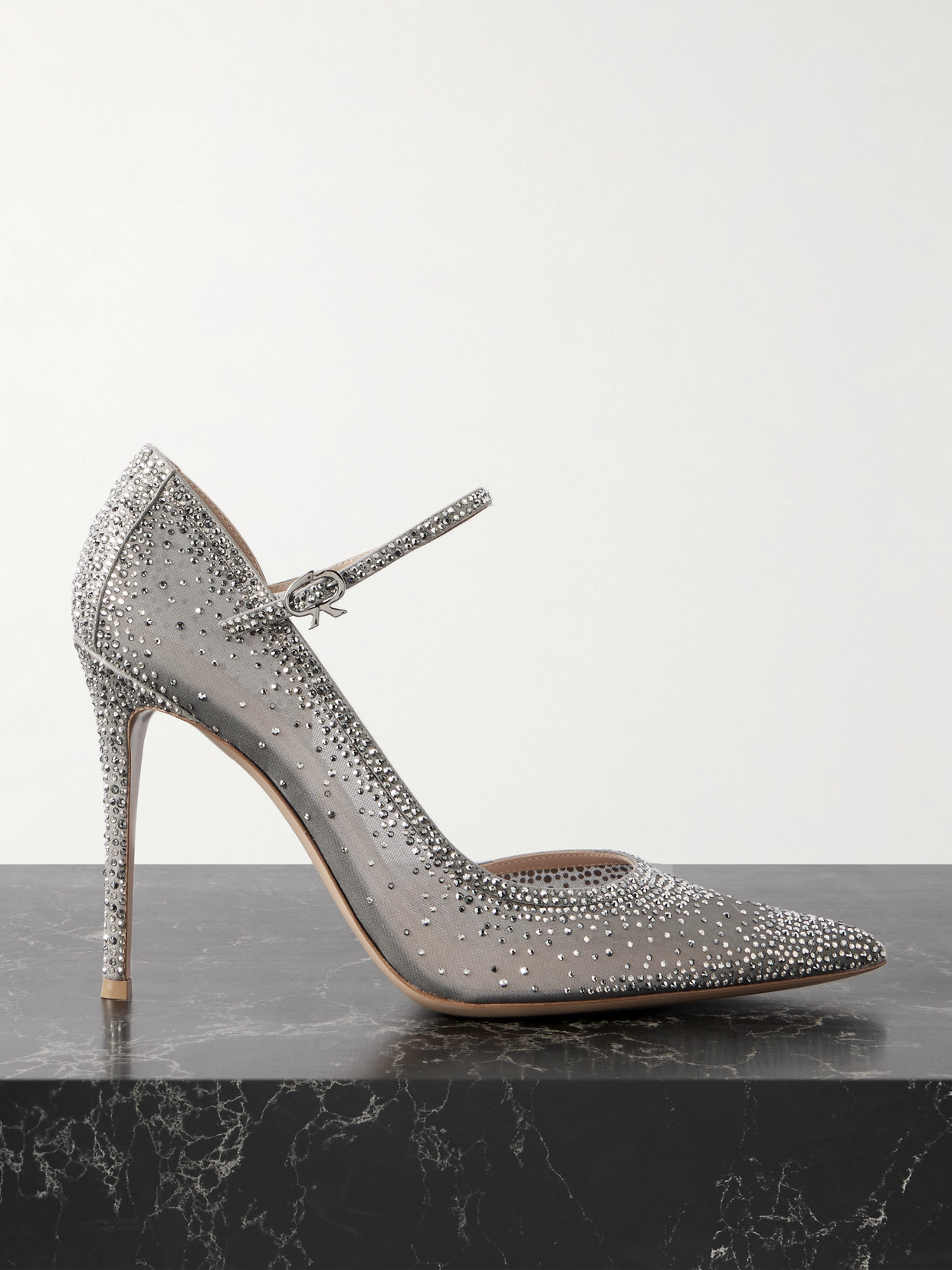
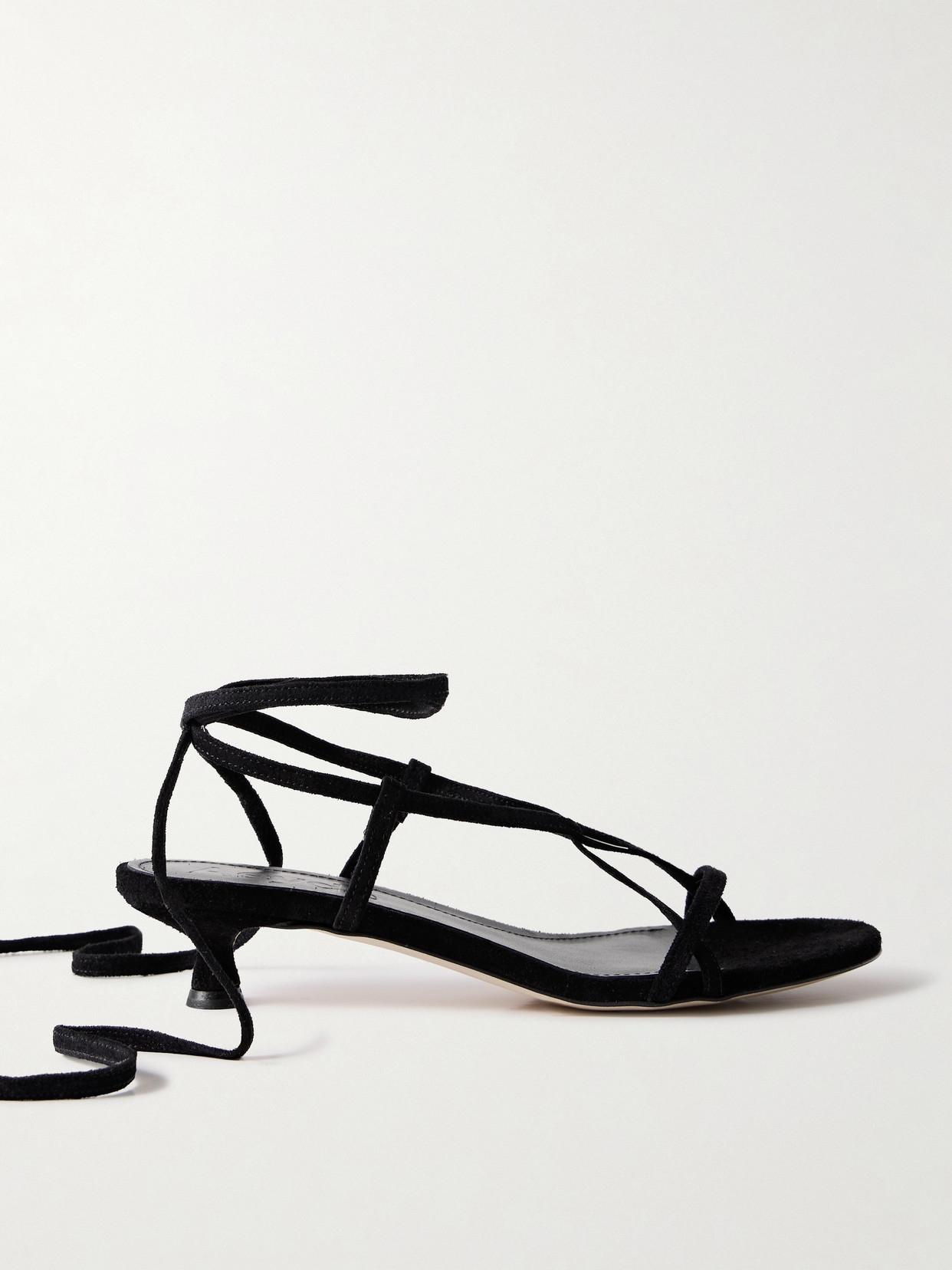
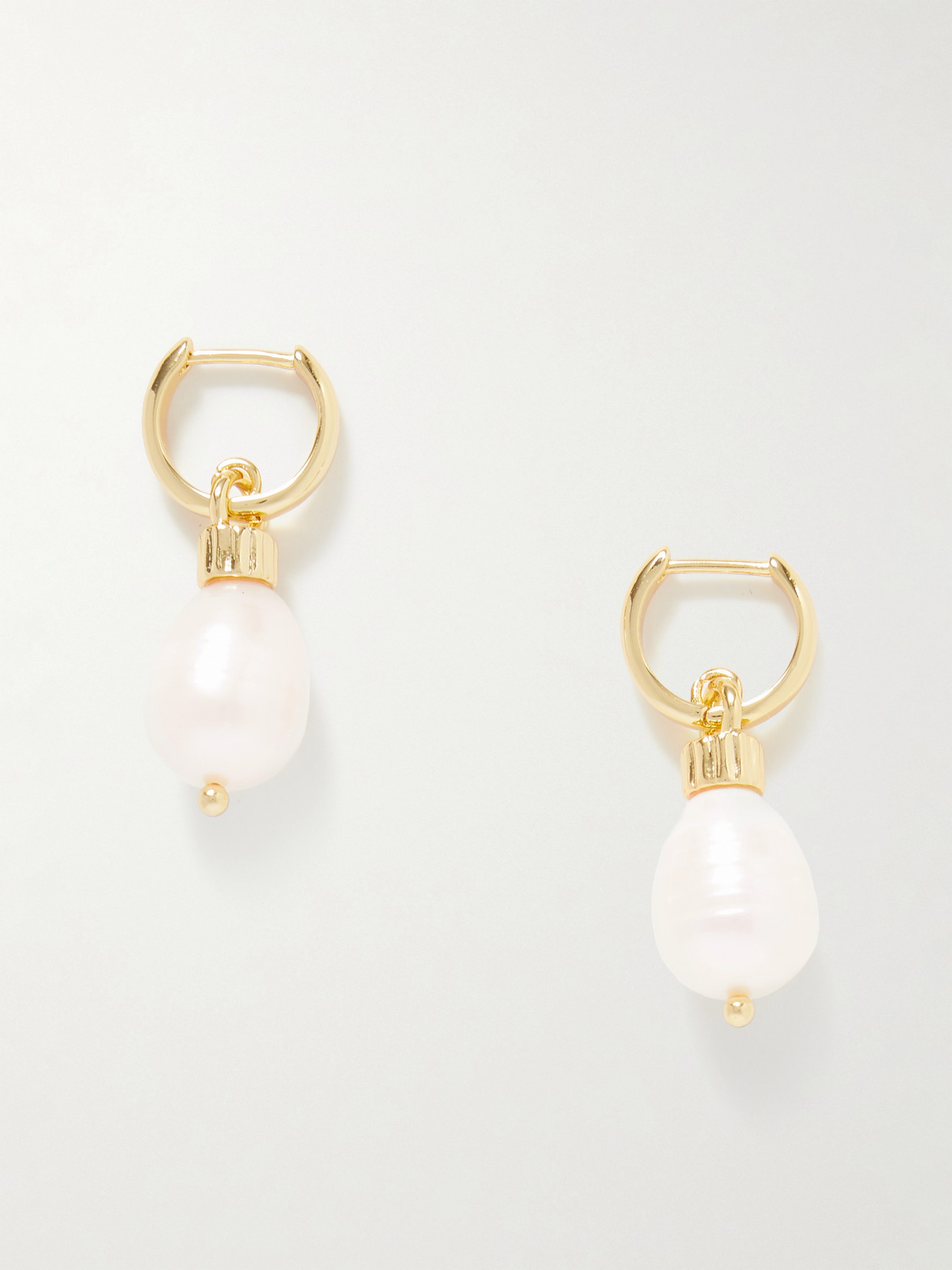
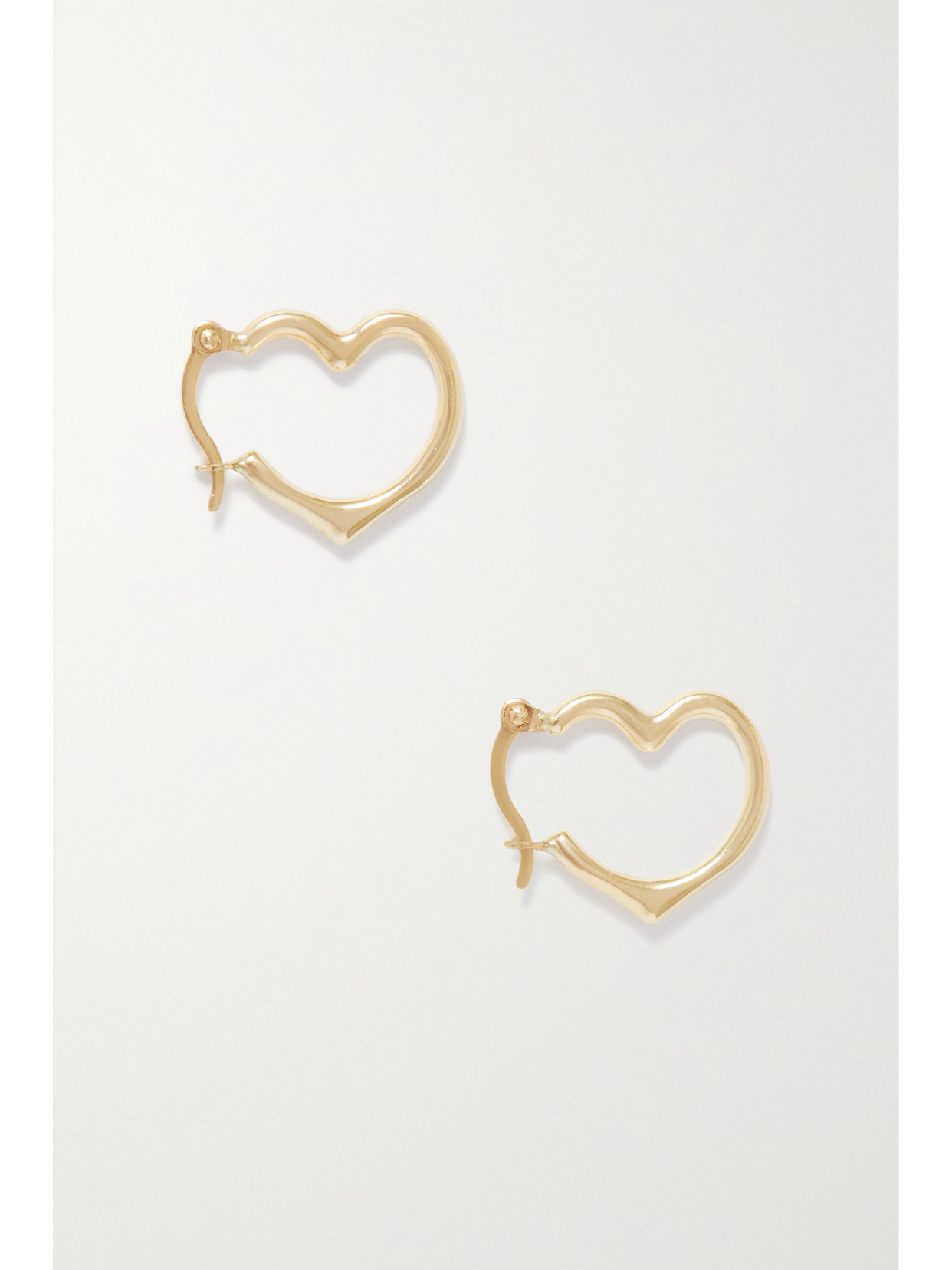
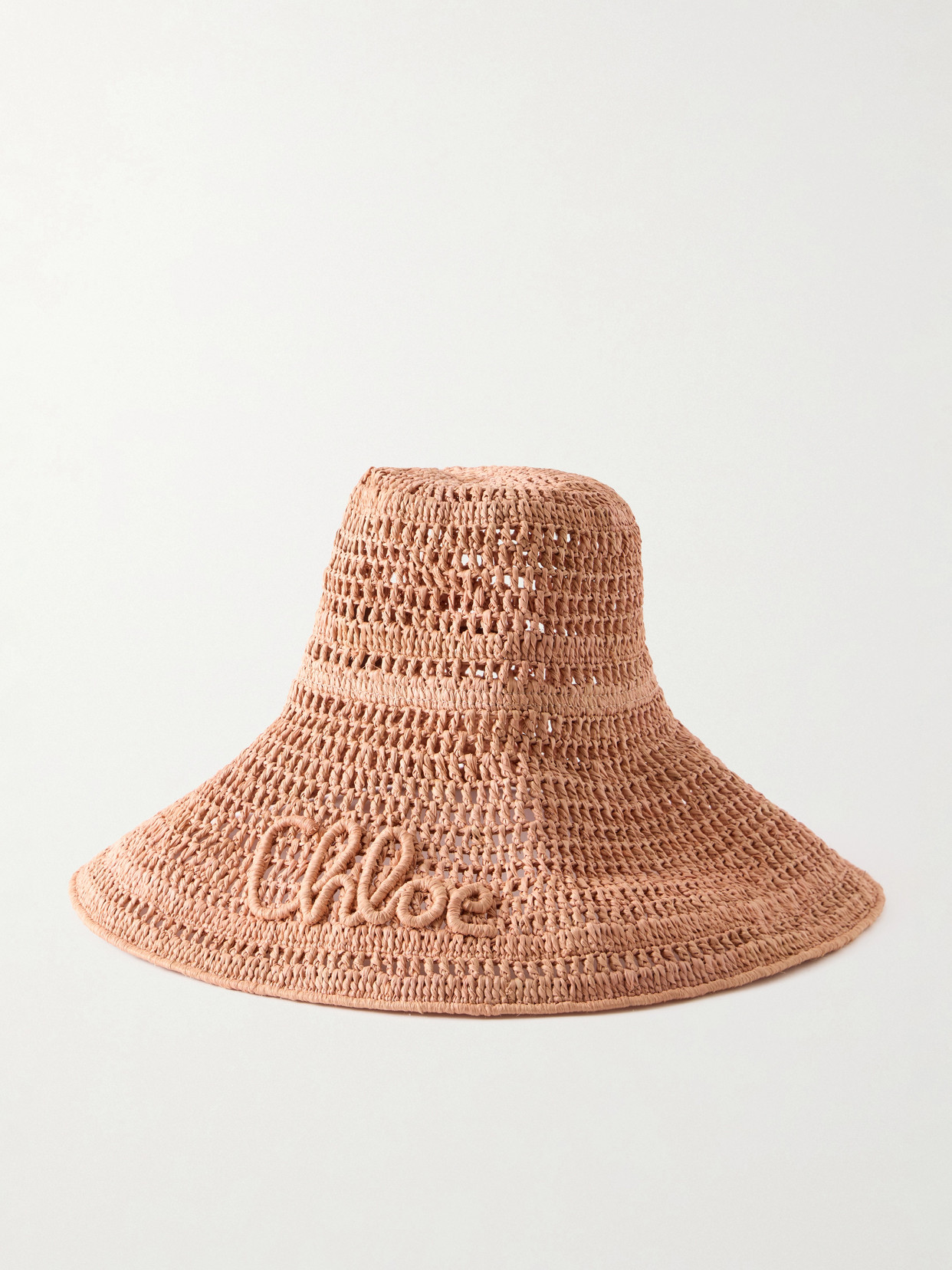
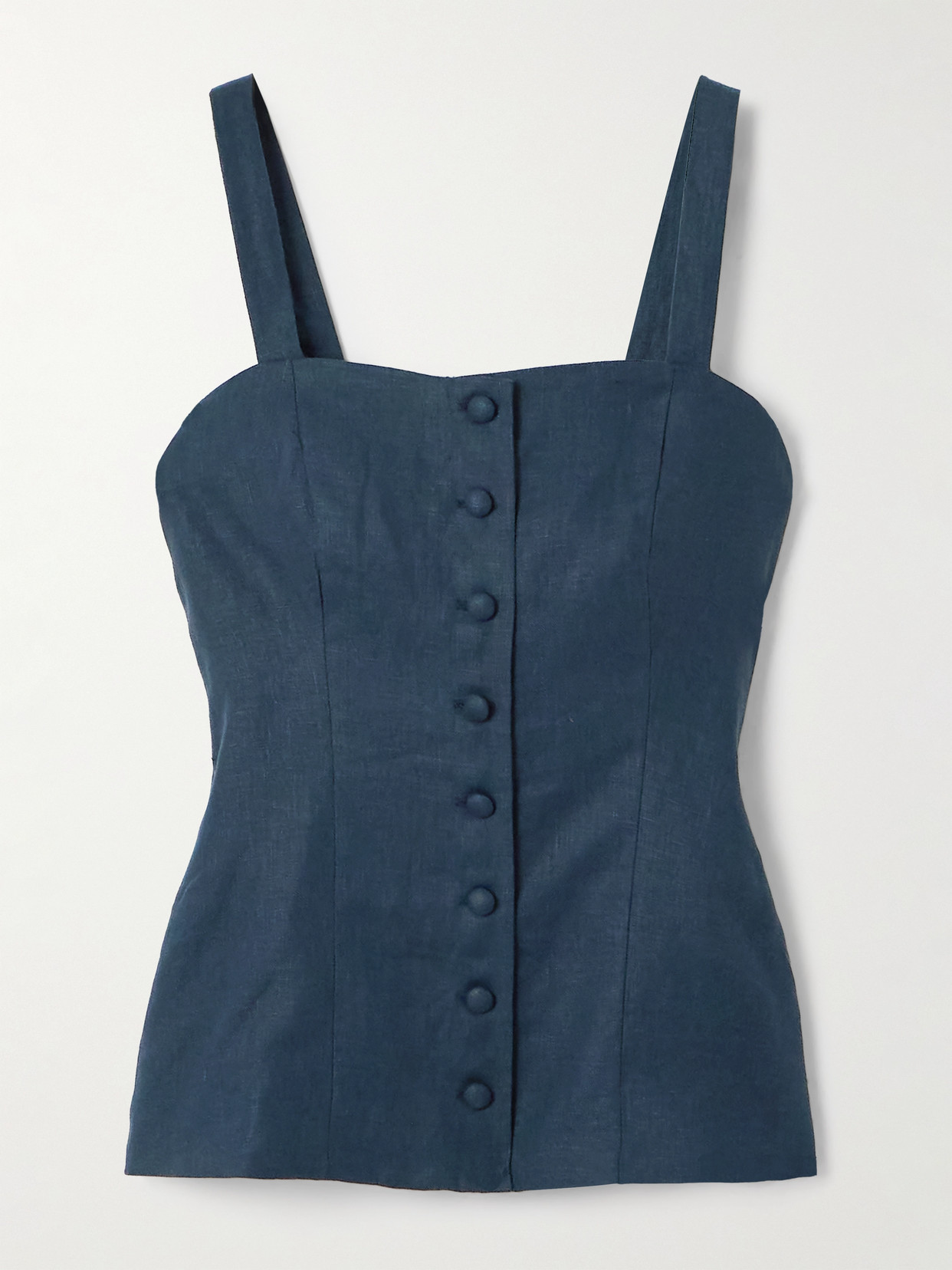
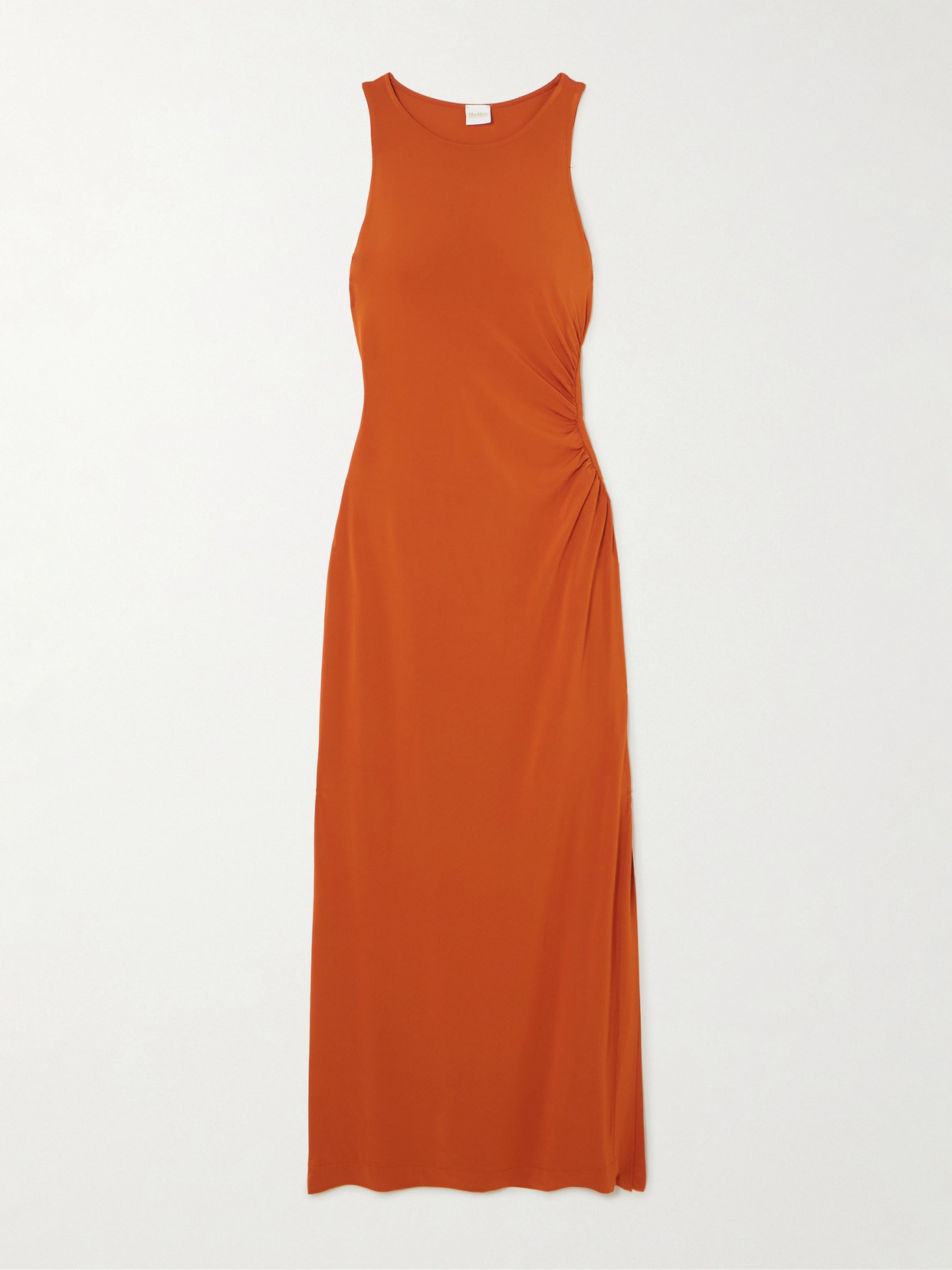
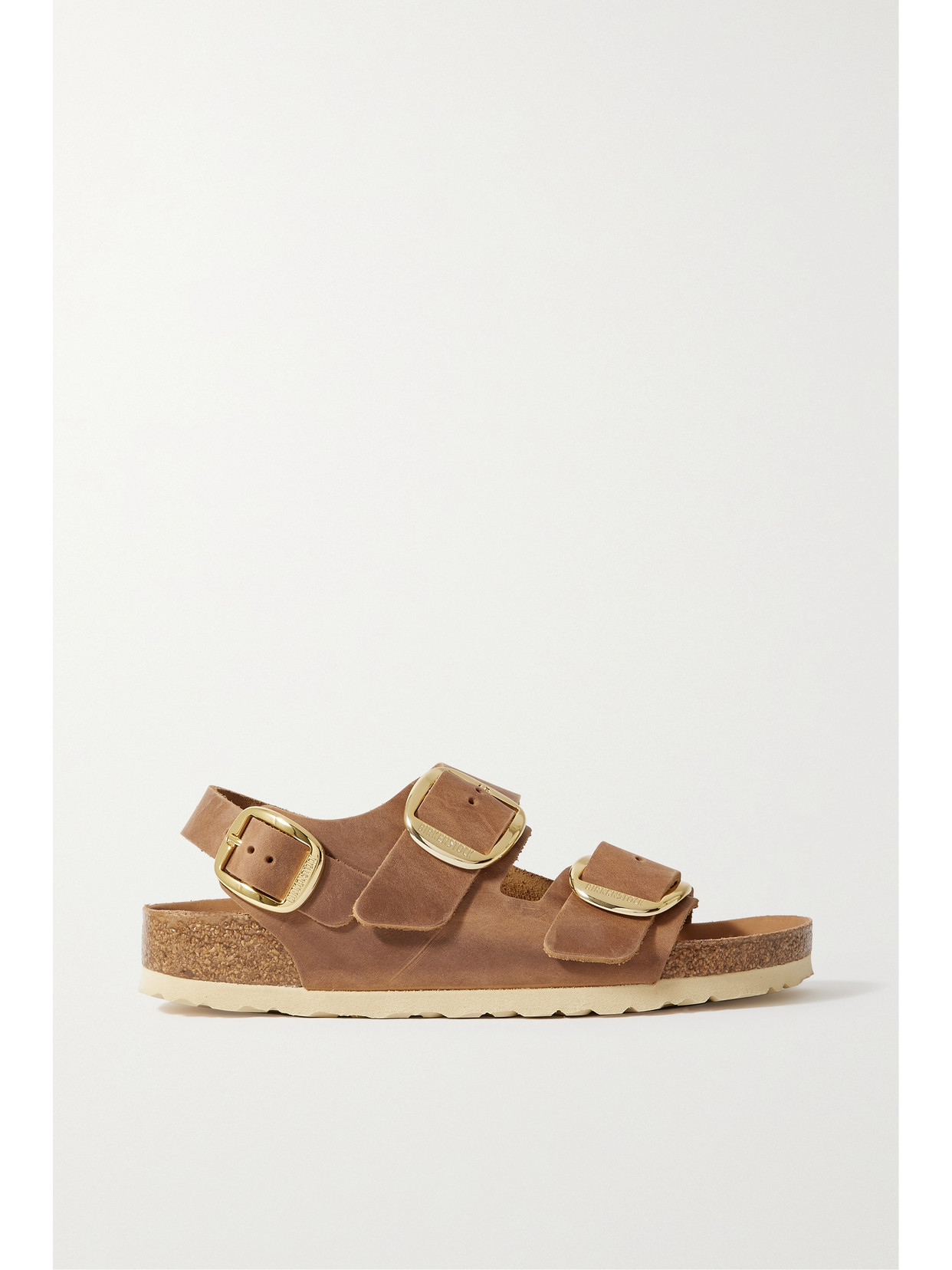
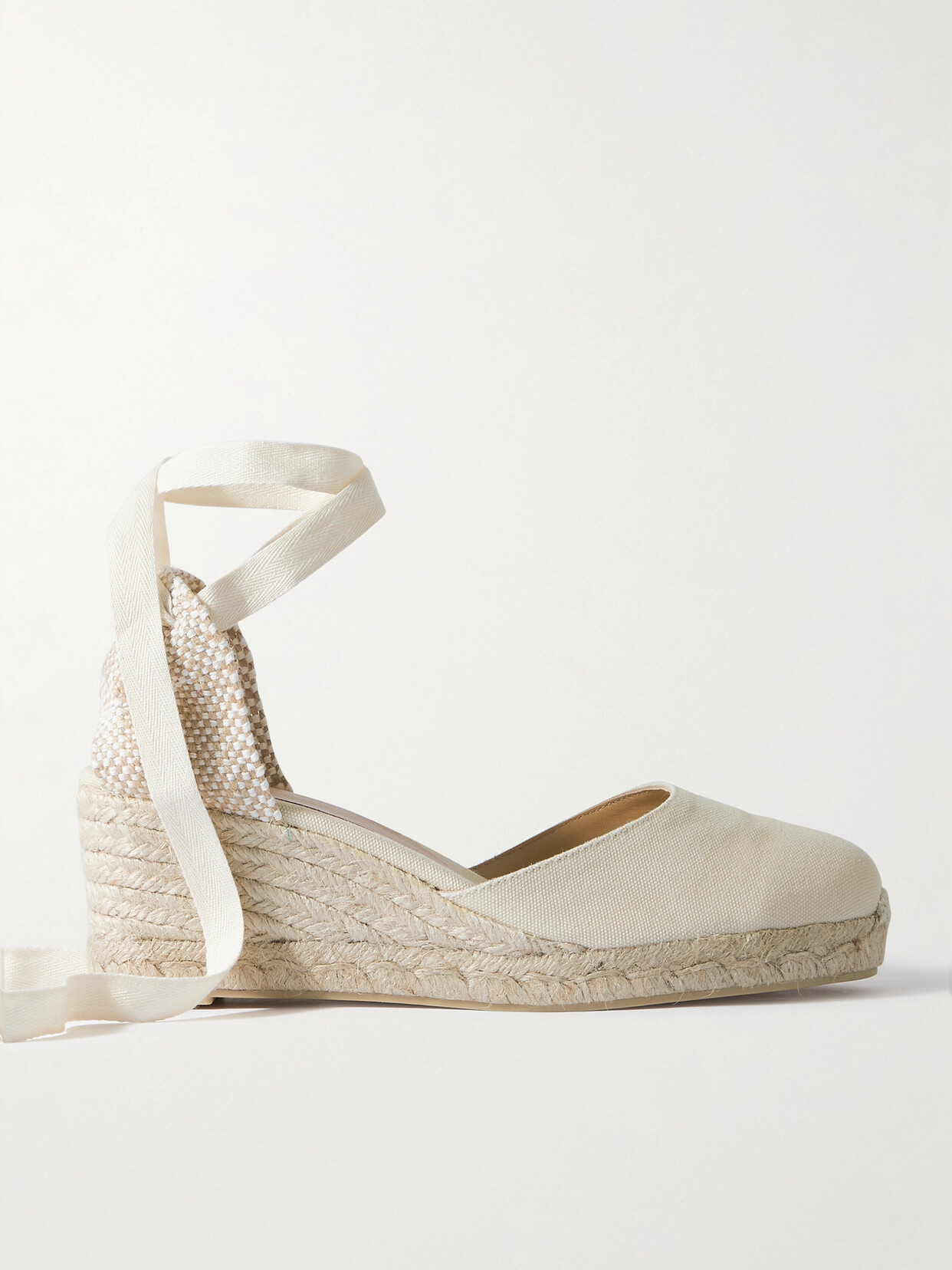
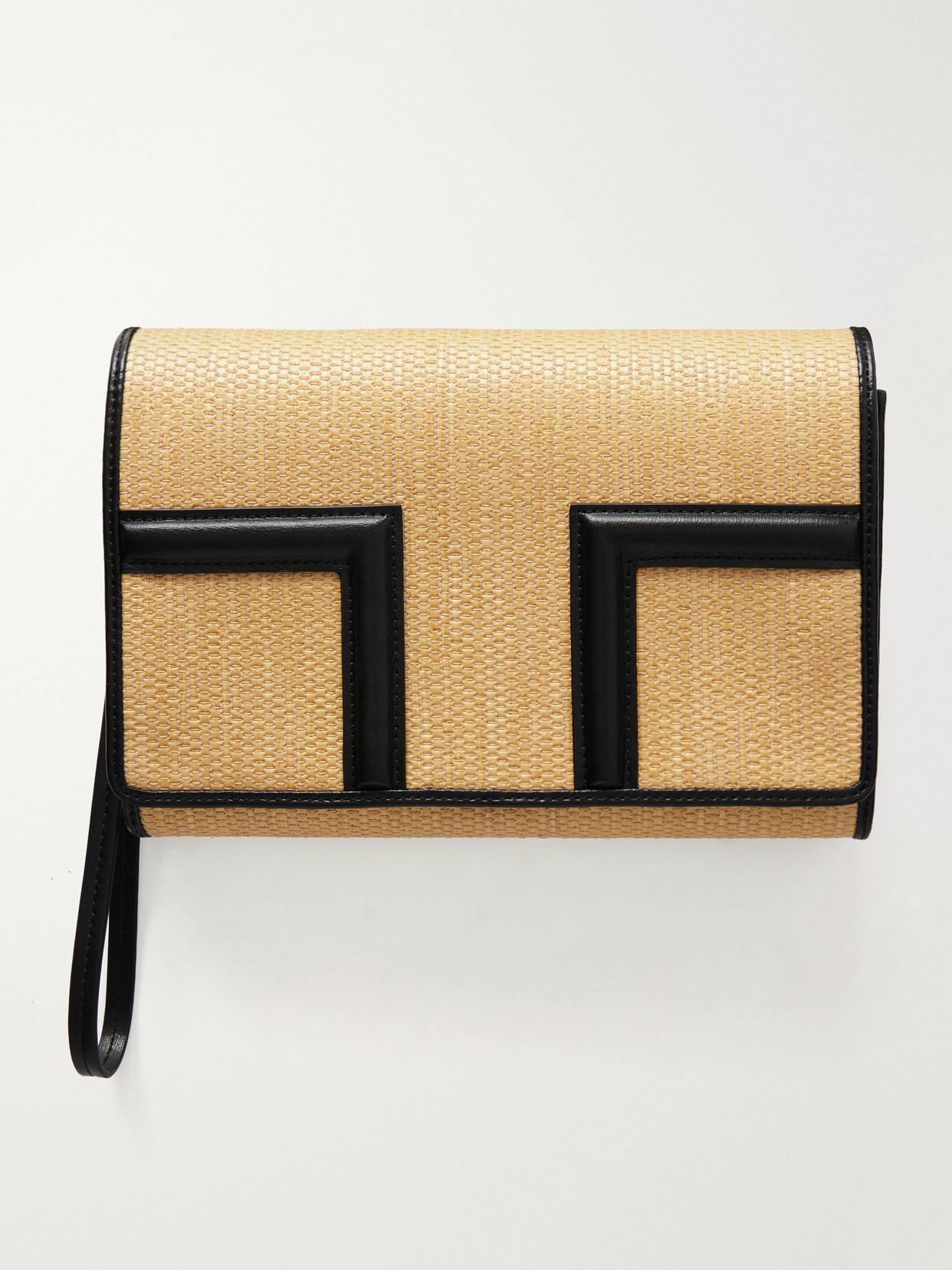
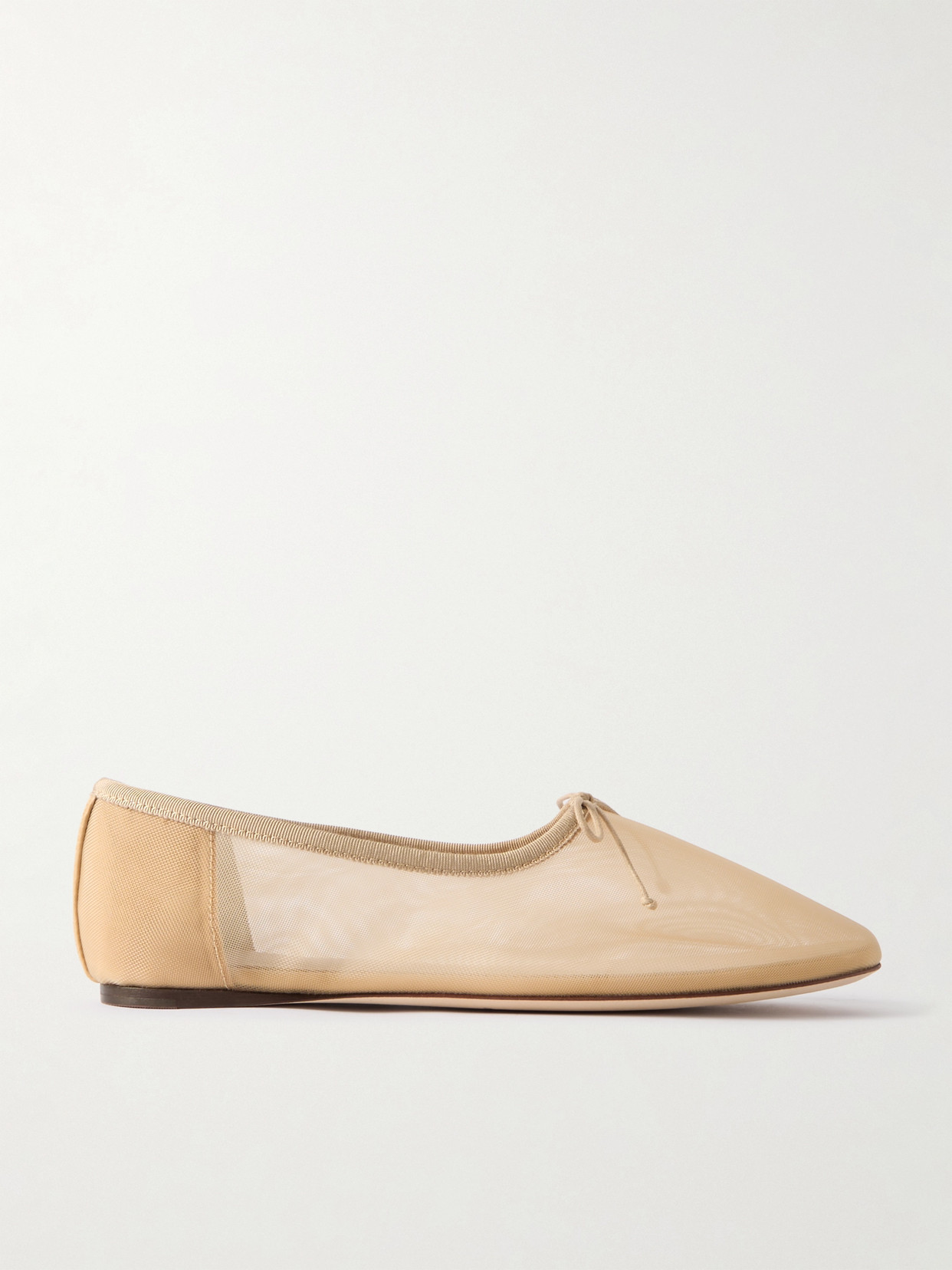
A destination wedding rarely calls for a single outfit. From the welcome dinner to the farewell brunch, thoughtful packing becomes part of the celebration itself. These are the pieces we would pack for a luxury wedding weekend in Italy, chosen for the pace, the elegance and the practicality of several days away.
Welcome Dinner
The first evening sets the tone. Think effortless elegance, warm terraces and pieces that transition seamlessly from sunset cocktails to dinner beneath the stars.
Why Wellness Weddings Are the Next Luxury Movement
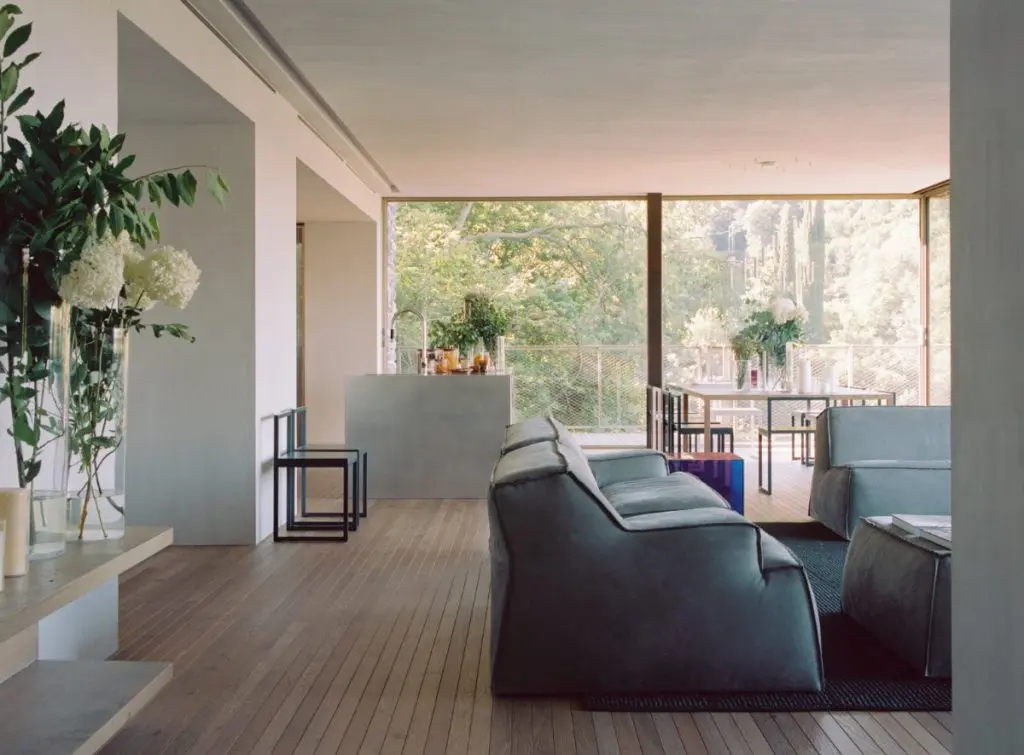
Design-Led Weddings: When Architecture Shapes Celebration
✦
Written by
Taiwo Adedayo
Founder & Editor-in-Chief
Taiwo Adedayo is the founder and Editor-in-Chief of Luxury Wedding Directory. With a decade of experience covering the world's most extraordinary celebrations, he leads the editorial vision of LWD: defining what luxury means for the modern couple.
Filed under
Share
The LWD Edit
You May Also Like
Destinations
Getting Married in Umbria
LWD Team·11 min read
Destinations
Getting Married on Lake Como
LWD Team·10 min read
Venues
Kasbah des Caïds
The Editorial Team·5 min read
Venues
Finca La Concertista: An Exclusive-Use Olive Grove Wedding in the Penedès
The Editorial Team·5 min read
Venues
Burlamacchi Villas
The Editorial Team·5 min read
Venues
Casale de' Pasquinelli: A Tuscan Villa Wedding in the Hills of Lucca
The Editorial Team·5 min read
Venues
Villa Paola
The Editorial Team·5 min read
Venues
The Chedi Luštica Bay
The Editorial Team·5 min read
Venues
Castello di Montignano: An Exclusive Castle Wedding in the Hills of Umbria
The Editorial Team·5 min read
Venues
Castello di Solfagnano
The Editorial Team·5 min read
✦We use cookies
We use essential cookies to make our site work, and optional cookies to personalise content and improve your experience. By clicking Accept All, you agree to our use of cookies. · Cookie Policy