Britain’s castles were never built for weddings. They were built for kings, queens and centuries of siege and succession. A small number now open their gates for one celebration at a time, and the result is a wedding no ballroom can imitate: real history, real stone, and for a day or a weekend, the whole place entirely your own.
Hever Castle
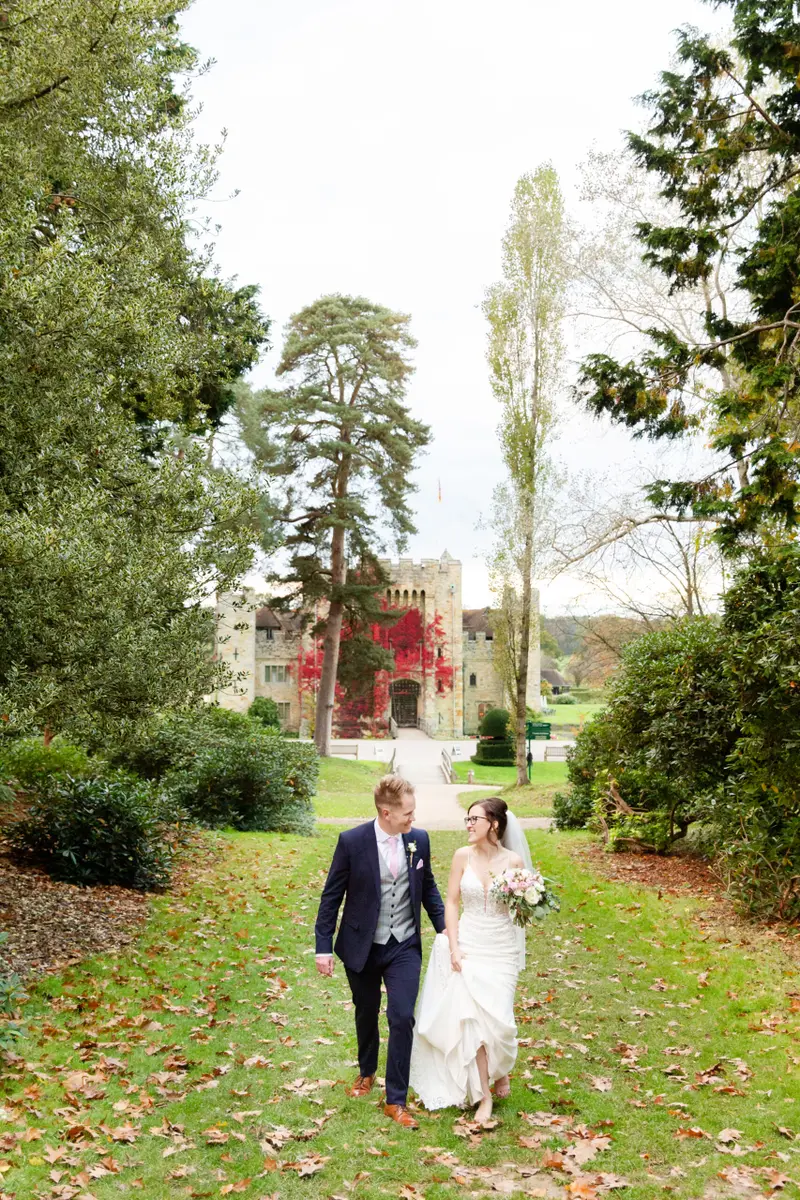
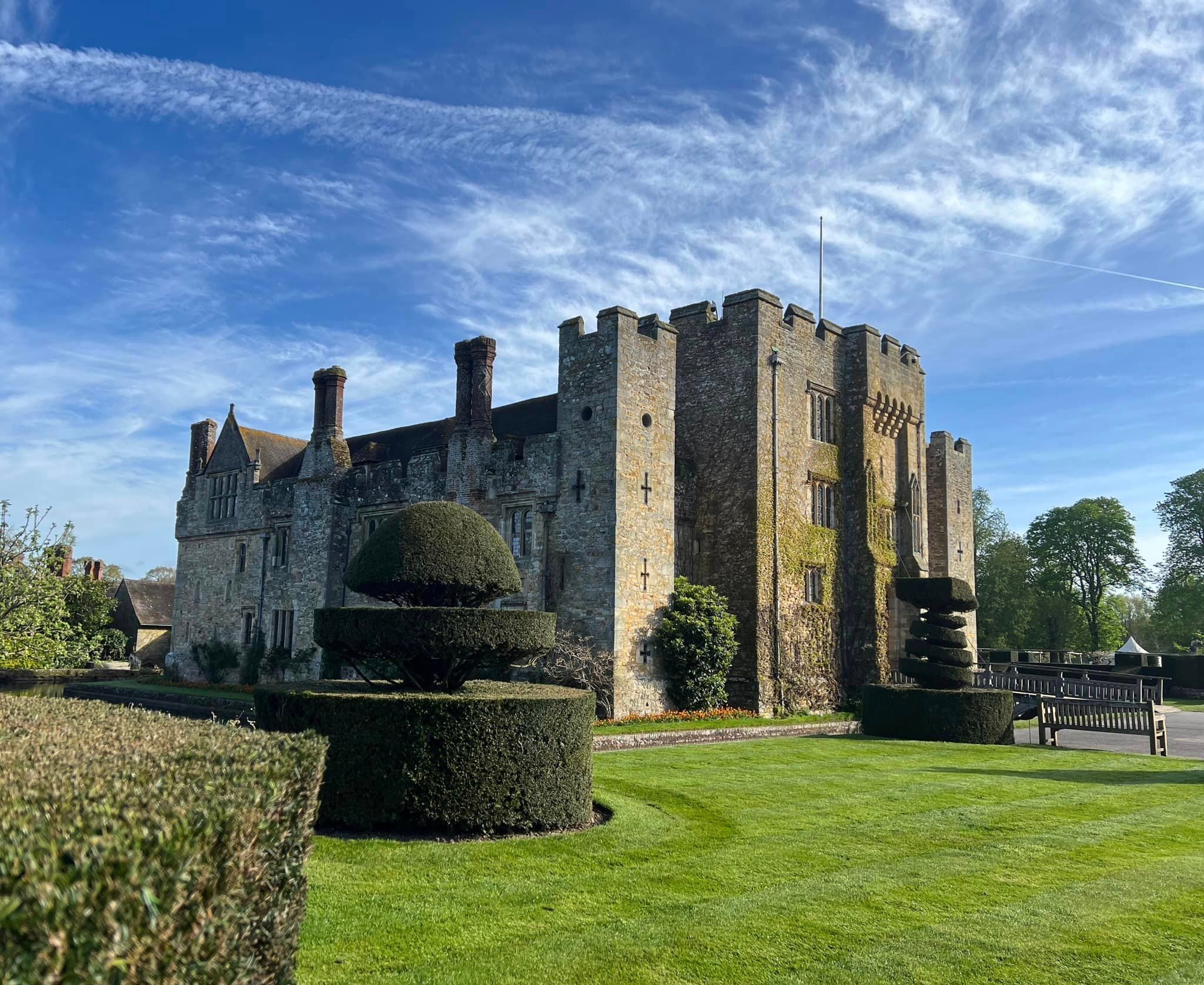
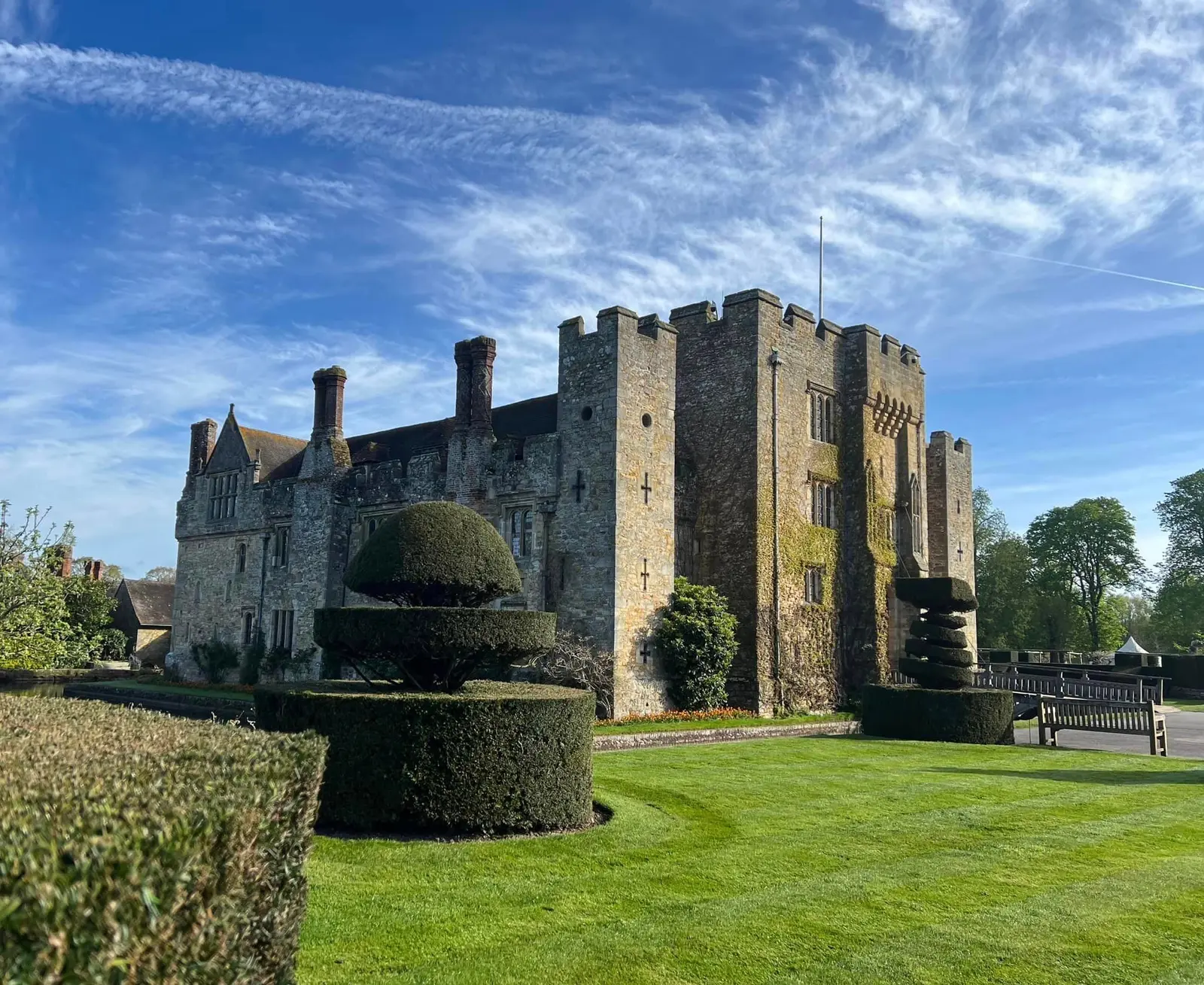
Hever Castle (Kent). The double-moated childhood home of Anne Boleyn, wrapped in award-winning Italian gardens on the edge of the Kentish Weald. Civil ceremonies take place in the panelled Tudor rooms or the loggia above the lake; a seated wedding breakfast suits closer numbers of around sixty, while the largest celebrations move to a marquee on the grounds. Barely an hour from London, it pairs genuine Tudor history with some of the finest gardens of any castle on this list, and the estate can be taken so the day belongs entirely to one party.
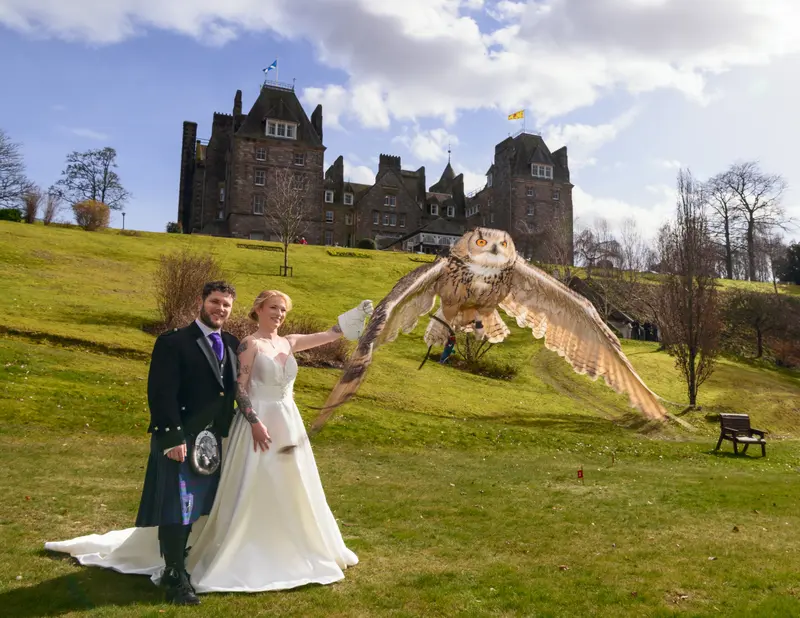
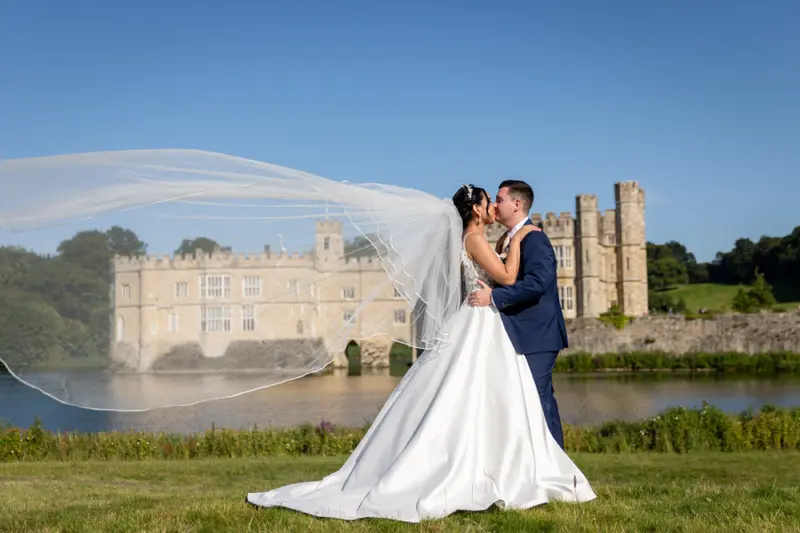
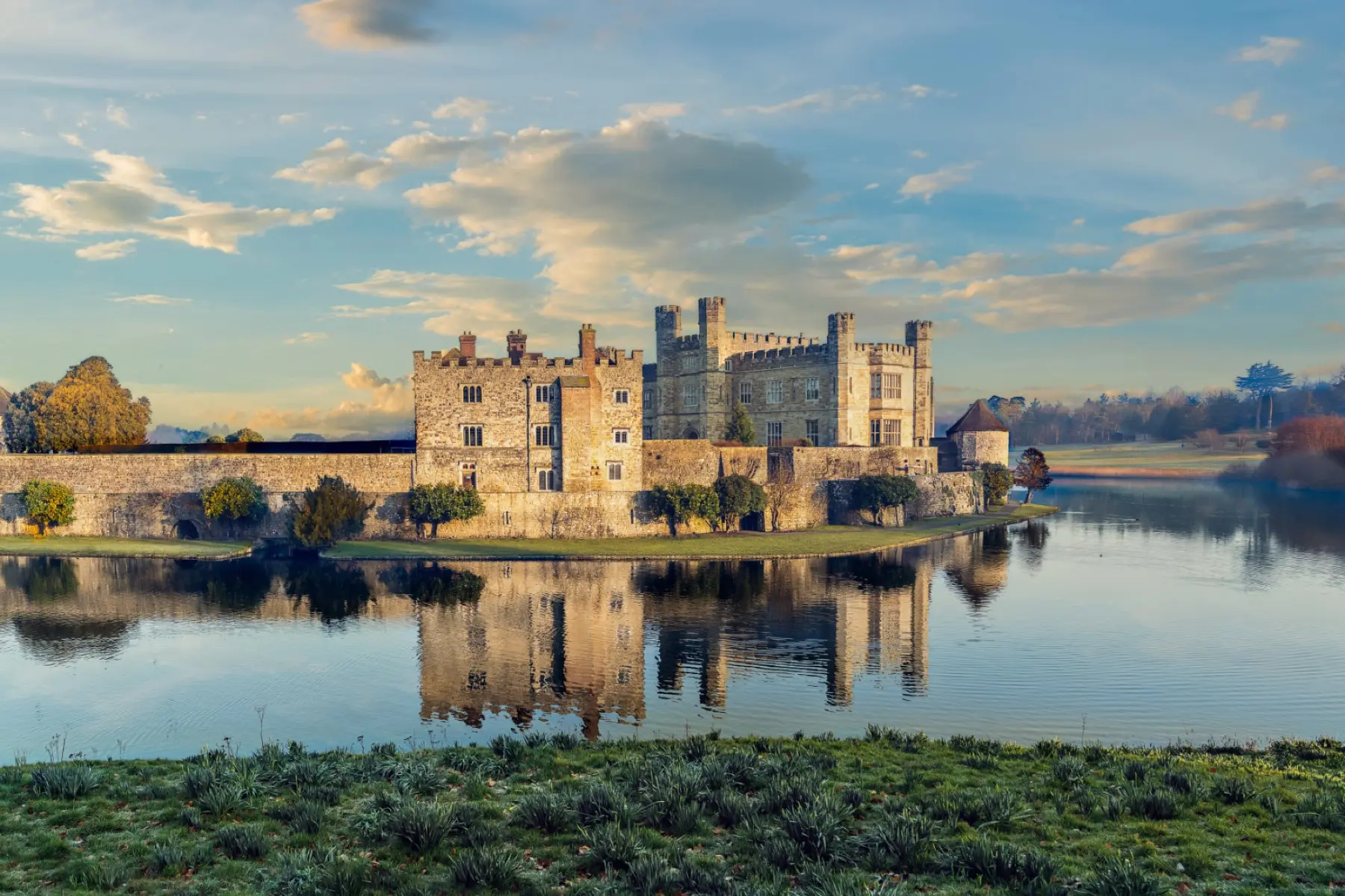
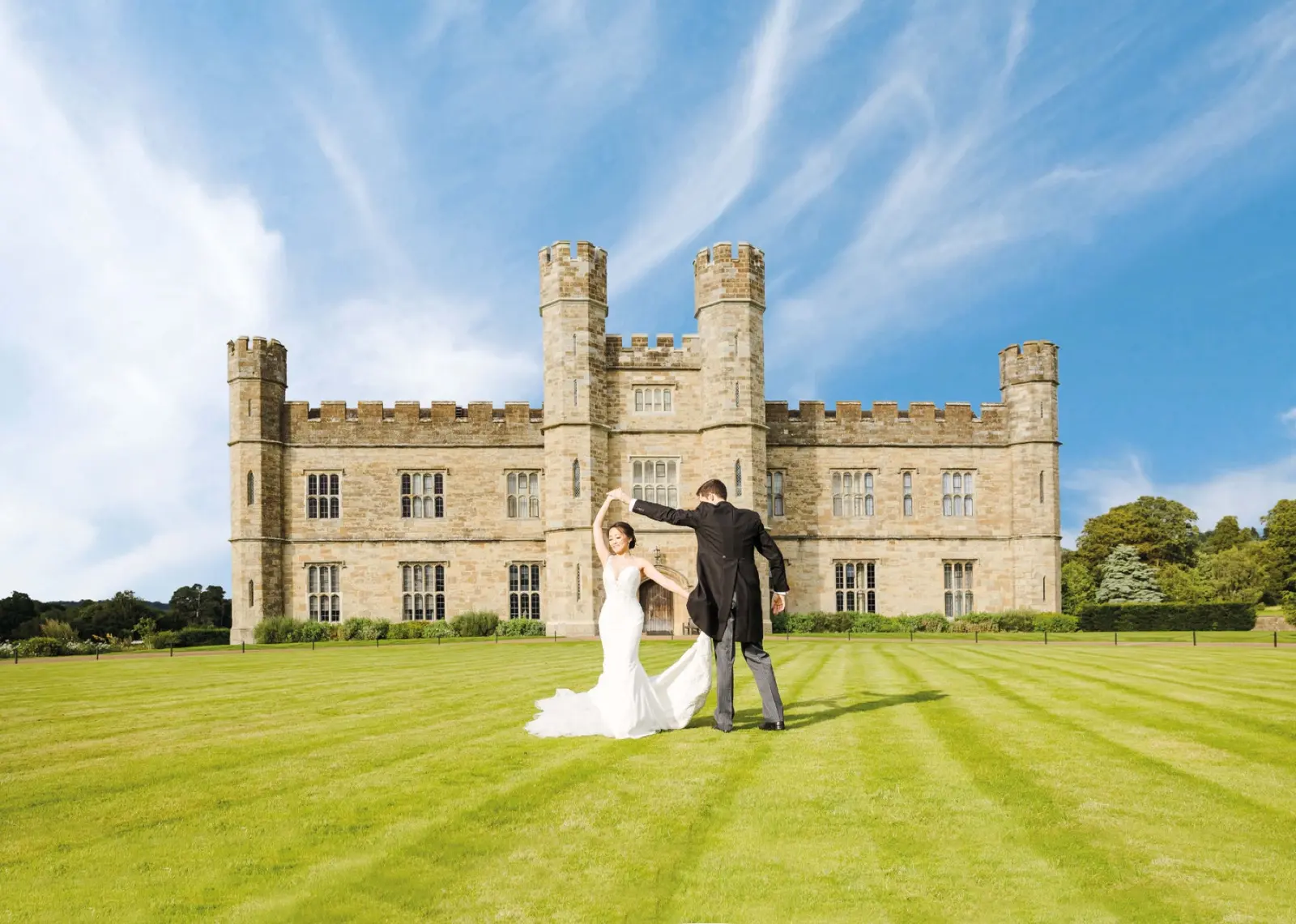
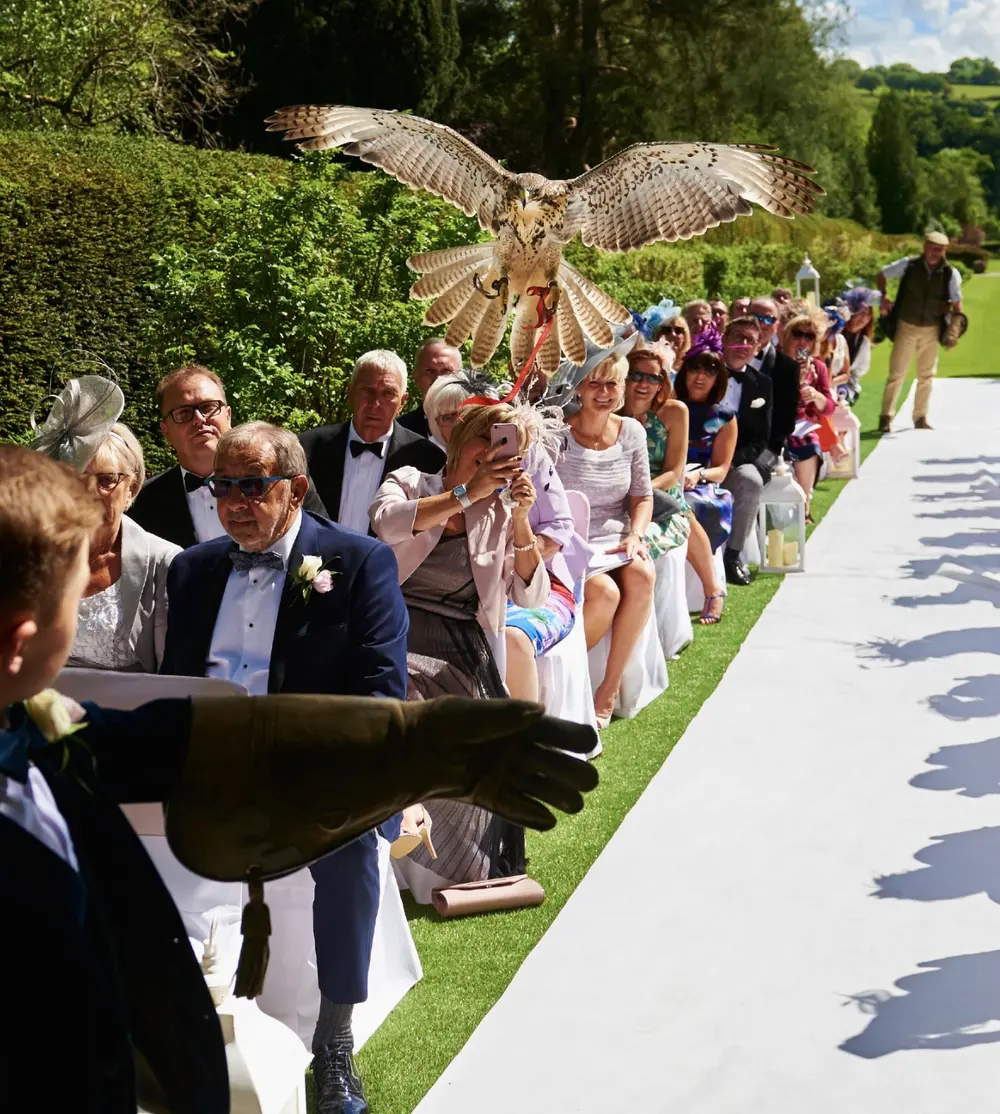
Leeds Castle (Kent). Set on two islands in a Kentish moat and once the residence of six medieval queens, Leeds was restored by Lady Baillie in the 1920s for her Hollywood and society guests. Five distinct wedding spaces span the 550-acre estate, from a marquee for several hundred down to Battel Hall for sixteen, and the castle’s own falcons still fly over the parkland. It is one of the few venues equally at home with a grand celebration and a small, private one, which is why it opens this collection.
Leeds Castle
The loveliest castle in the world.
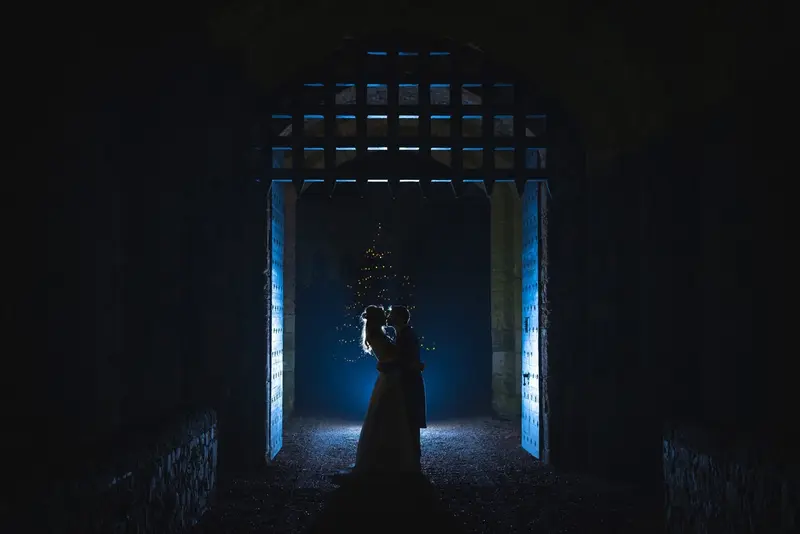
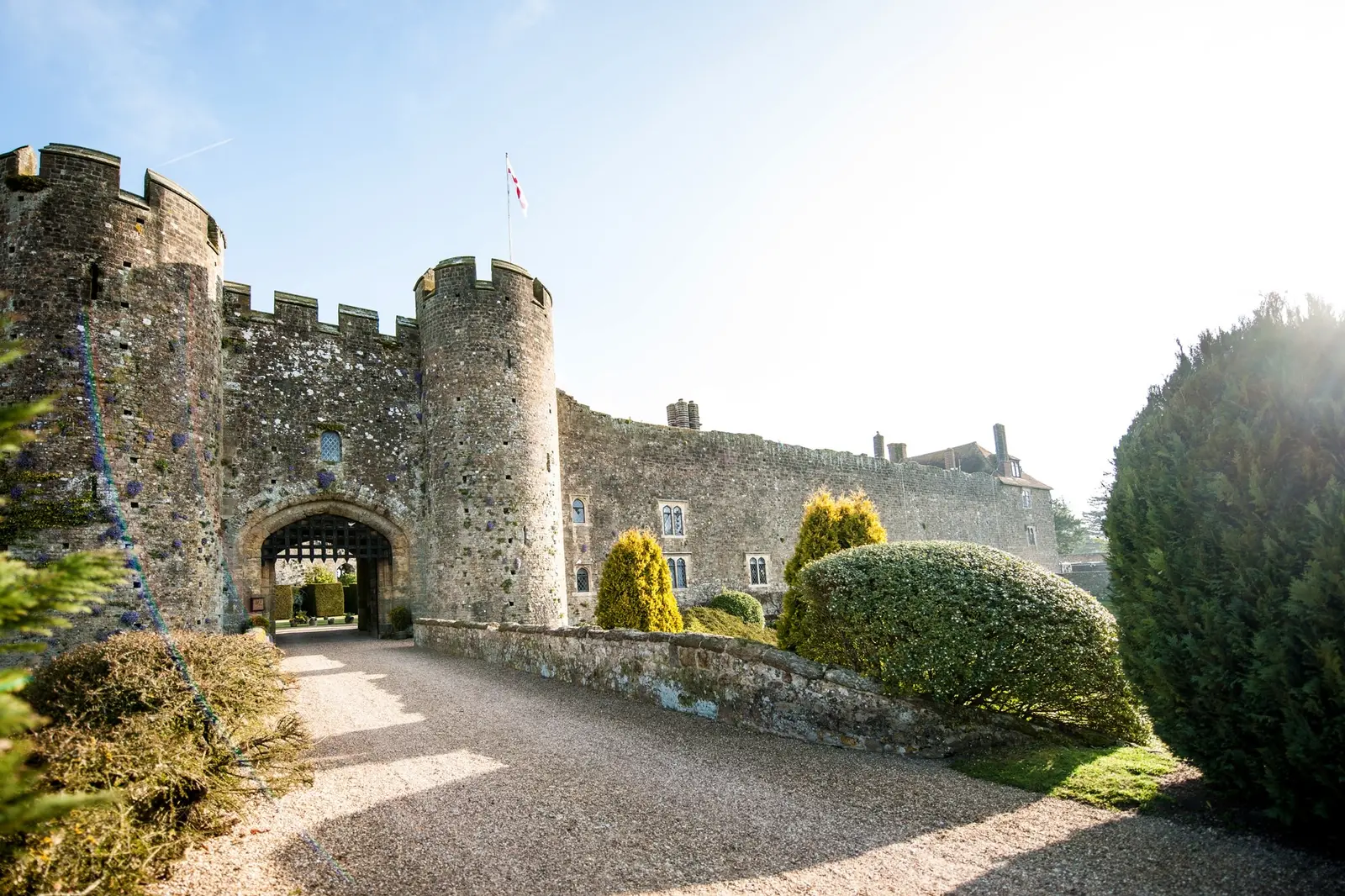
Lord Conway of Allington, on Leeds CastleAmberley Castle (West Sussex). A medieval castle of around 1103 near Arundel, entered beneath a working portcullis and enclosed by a curtain wall that has stood for nine centuries. Twin drum towers, walled gardens and the South Downs beyond frame an exclusive-use celebration for up to around 170. The whole castle, including its individually designed rooms, is given to a single wedding party for the day and the night, so guests wake the next morning inside the walls where the vows were made.
Amberley Castle
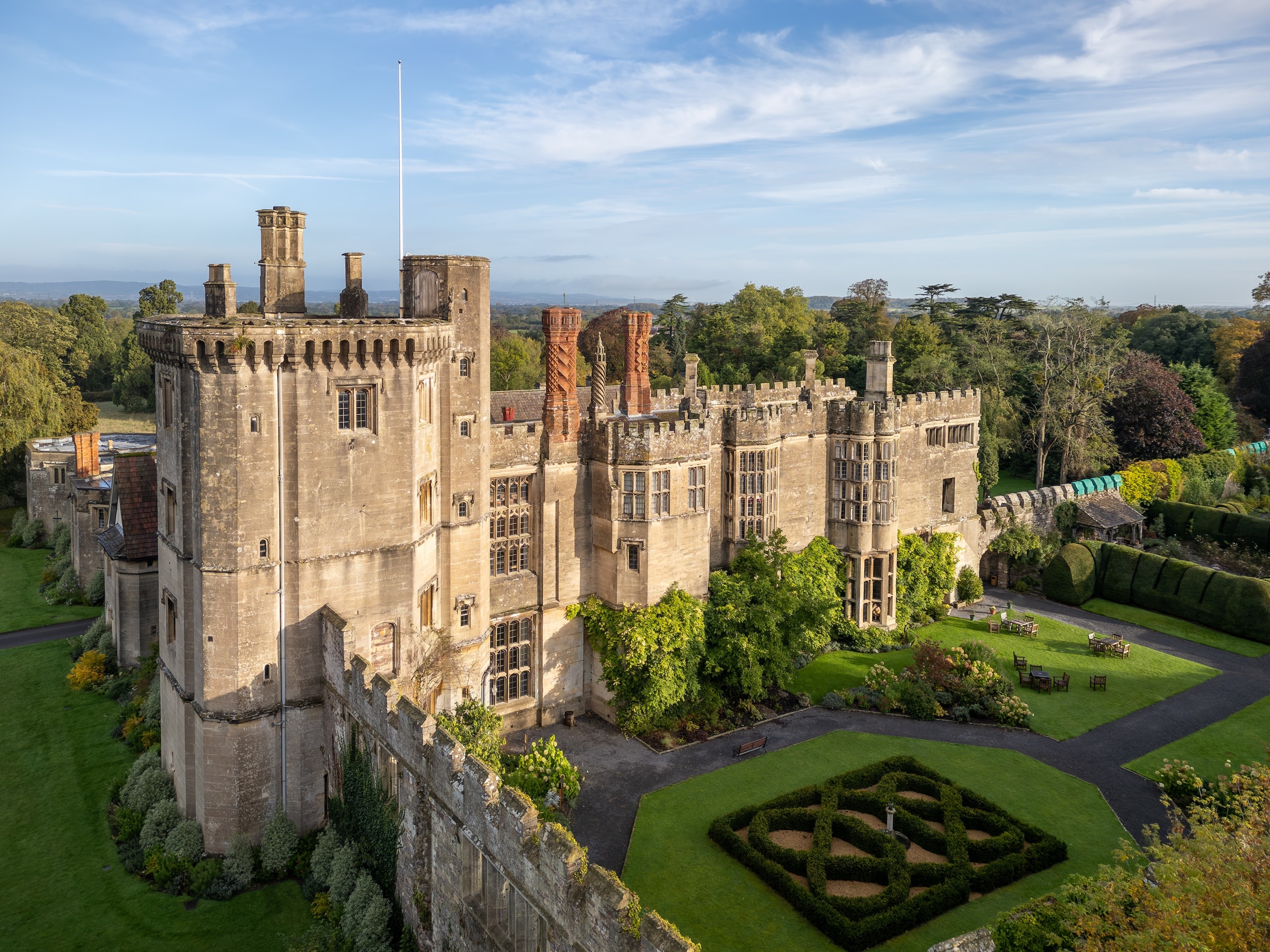
Thornbury Castle (Gloucestershire). A genuine Tudor castle begun in 1511 by the Duke of Buckingham, where Henry VIII and Anne Boleyn stayed in 1535. Now a Relais & Chateaux hotel near Bristol, it marries couples within tapestried Tudor rooms and walled gardens said to be among the oldest in England, seating around seventy for a wedding breakfast. Few venues in the country let you say your vows quite so literally where a king and queen once did.
Peckforton Castle (Cheshire). A red-sandstone Victorian fortress high in the Peckforton Hills, built in the 1840s as a fully realised medieval-style castle and now given wholly to exclusive-use weddings of up to around 165. Its Great Hall, portcullis gatehouse and wooded ridge setting deliver the full fairytale scale without leaving the North West, and the drive up to the gates alone tells guests the day is going to be something out of the ordinary.
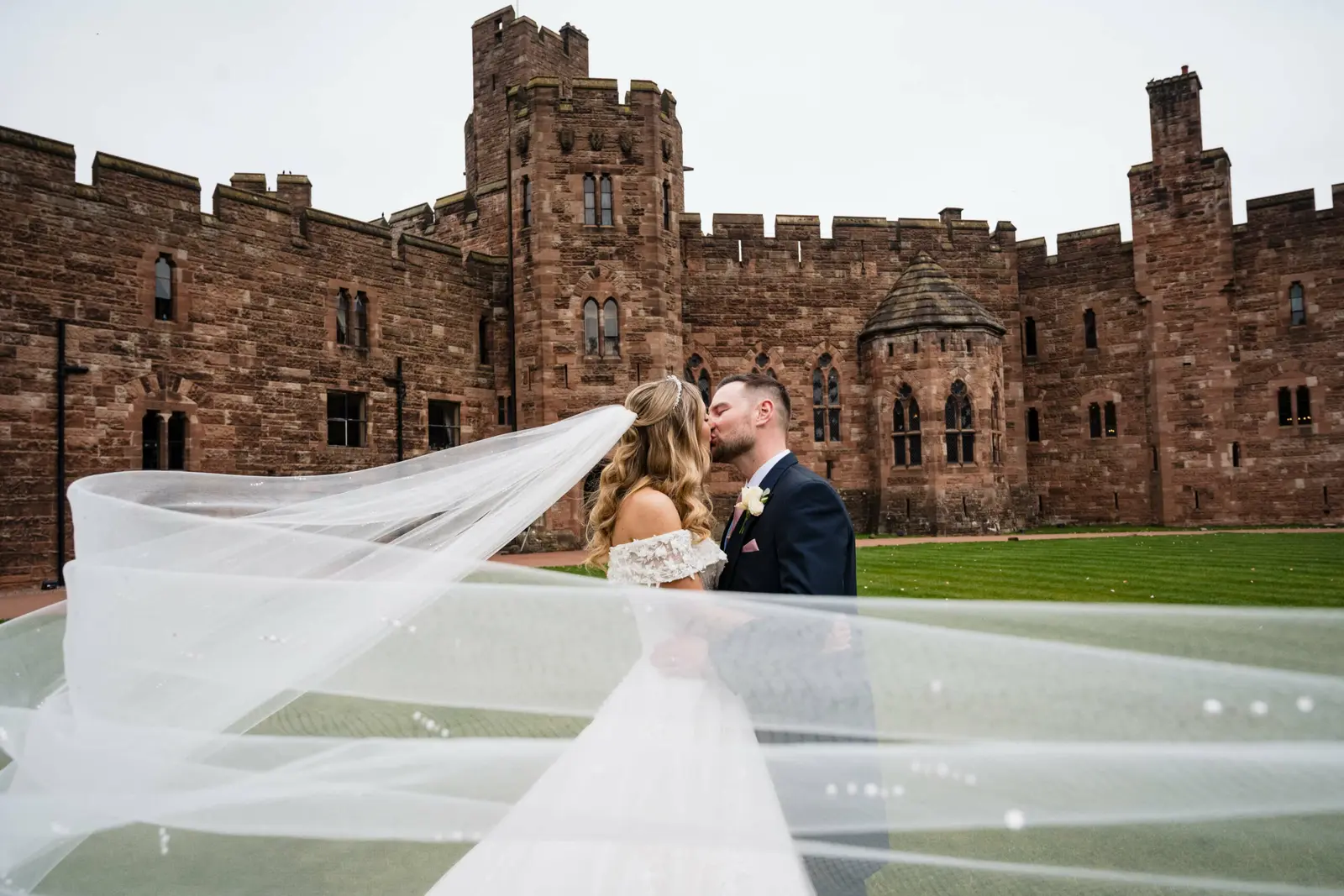
Peckforton Castle
Bovey Castle (Devon). A Tudor-revival estate of golden stone on the edge of Dartmoor: a five-star country hotel with a spa, a championship golf course and falconry across the moor. Ceremonies take place at the garden summerhouse or within the castle, receptions in its elegant panelled rooms, and Dartmoor fills every window. It carries up to around 120 guests and turns a wedding into a whole weekend, with plenty for guests to do between the celebrations.
Pentillie Castle (Cornwall). A family-run Cornish country castle on a private estate above the River Tamar, hired exclusively for one celebration at a time. Woodland paths, formal grounds and the river below frame a warm, personal wedding on the Cornwall-Devon border for around sixty guests. The family’s own hospitality gives it a lived-in intimacy that grander hotel-castles rarely manage, and the estate’s bedrooms keep the wedding party together for the weekend.
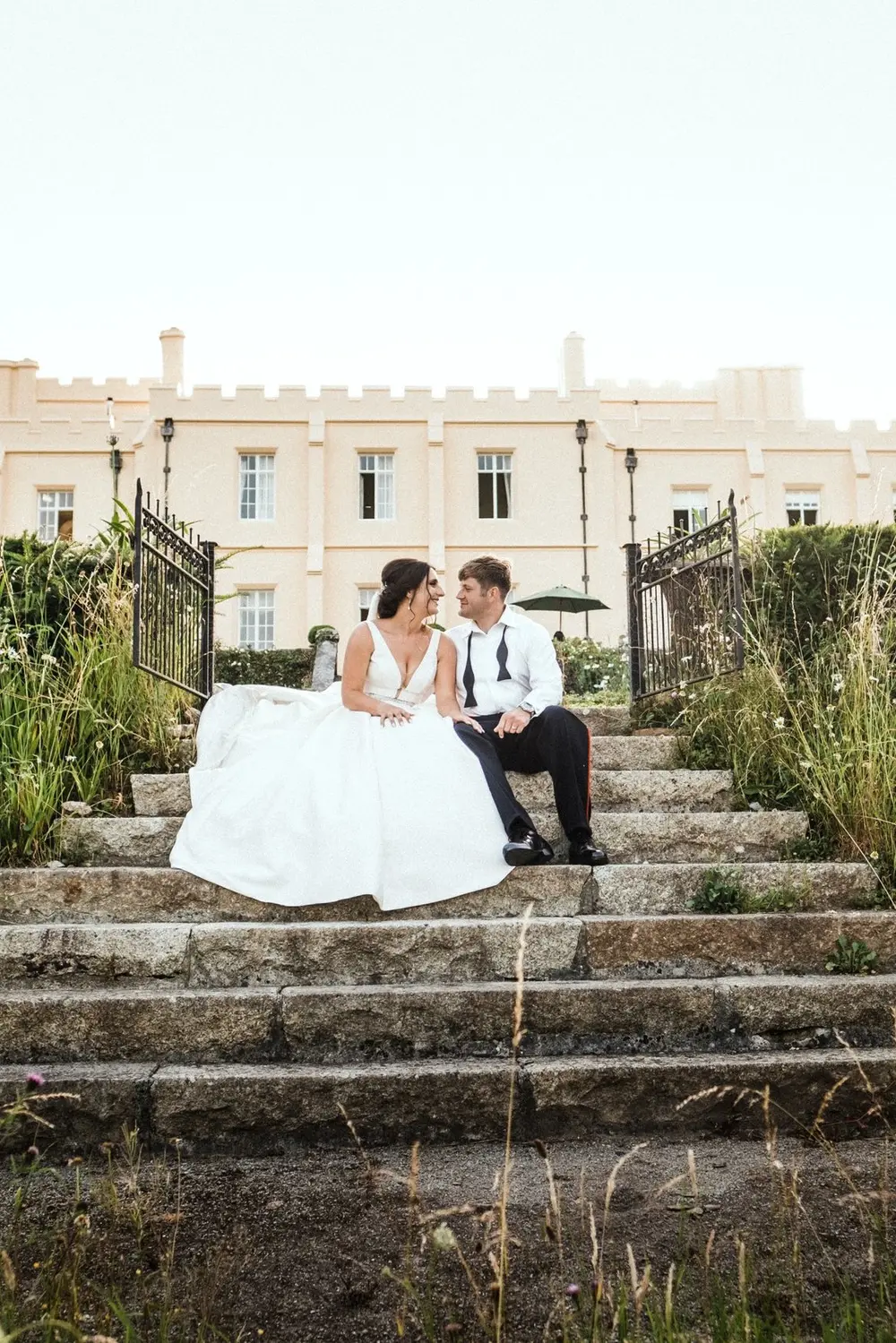
Bovey Castle
Pentillie Castle
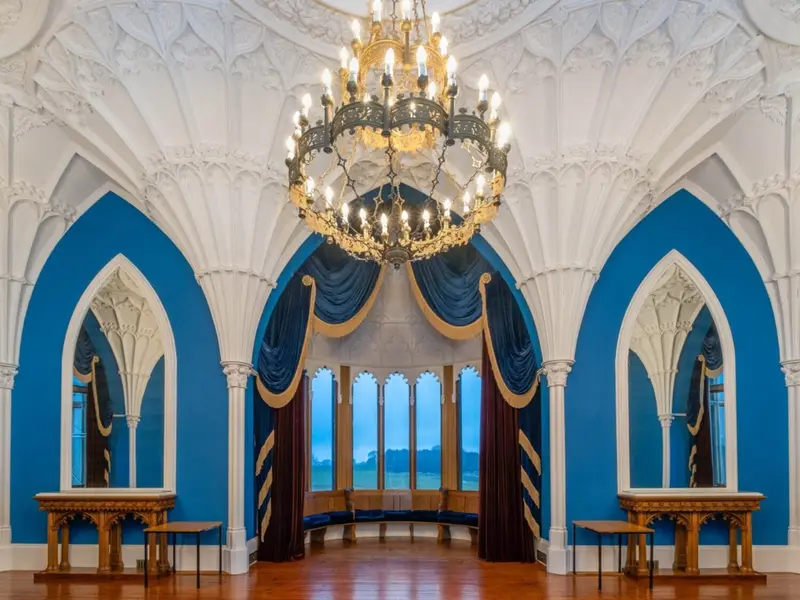
Allerton Castle (North Yorkshire). A Grade I Gothic Revival stately home across a 200-acre estate near Knaresborough. Its carved-timber Great Hall, vaulted Ballroom and deep-blue drawing rooms make one of England’s most theatrical castle interiors, seating around 120 beneath stained glass and soaring oak. For couples drawn to drama and detail indoors, and to a wedding that photographs as richly in November as in June, few halls in the country compete.
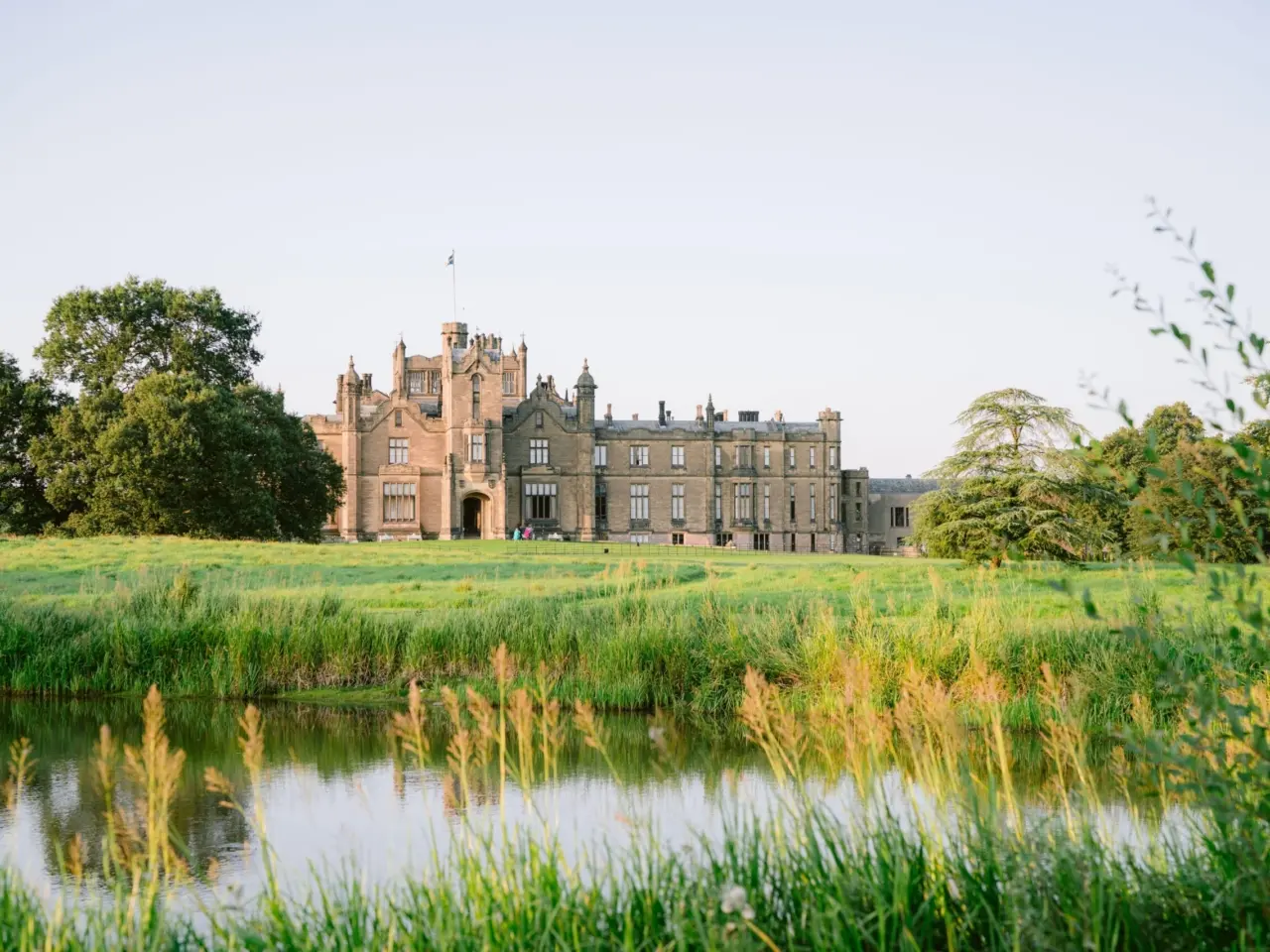
Allerton Castle
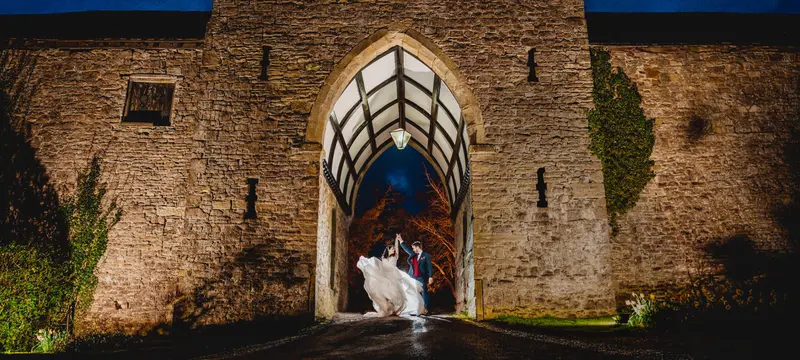
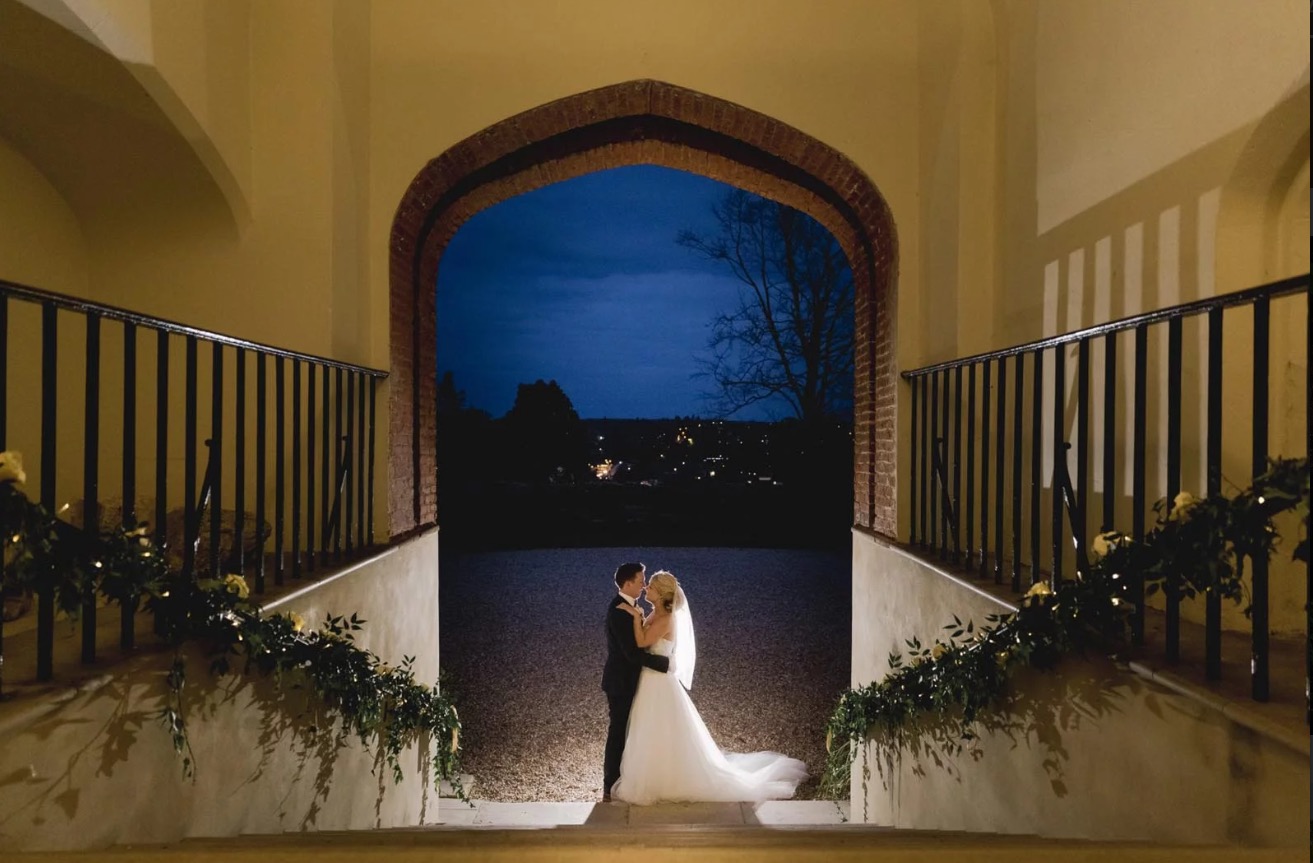
Farnham Castle (Surrey). A 12th-century castle on the edge of Farnham, seat of the Bishops of Winchester for more than eight hundred years. A Norman keep open to the sky, a floodlit medieval archway and the Great Lawn carry the largest guest lists in this guide, up to around 234, while keeping you within easy reach of London and its airports. It suits couples who want deep history and real scale without a long journey for their guests.
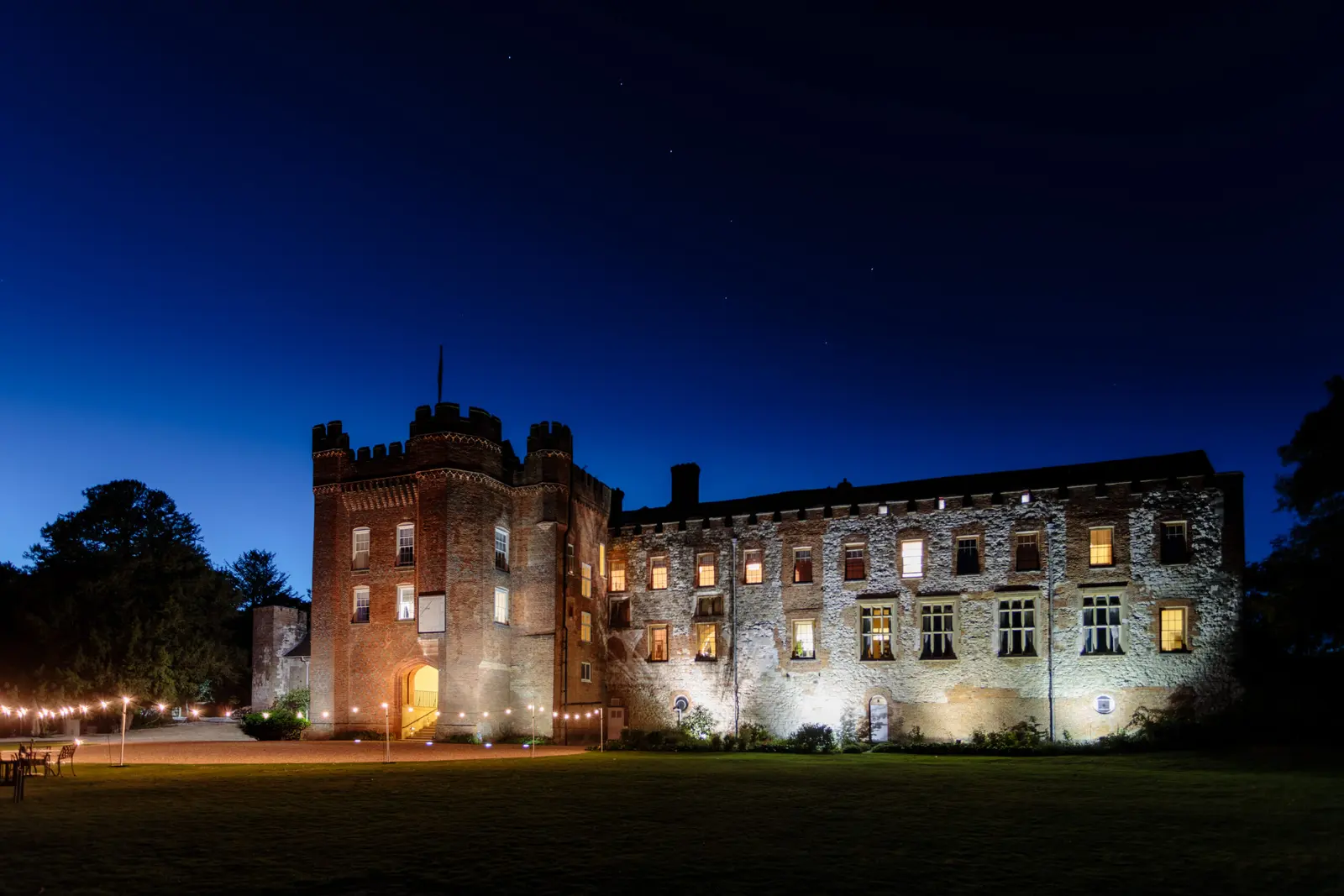
Farnham Castle
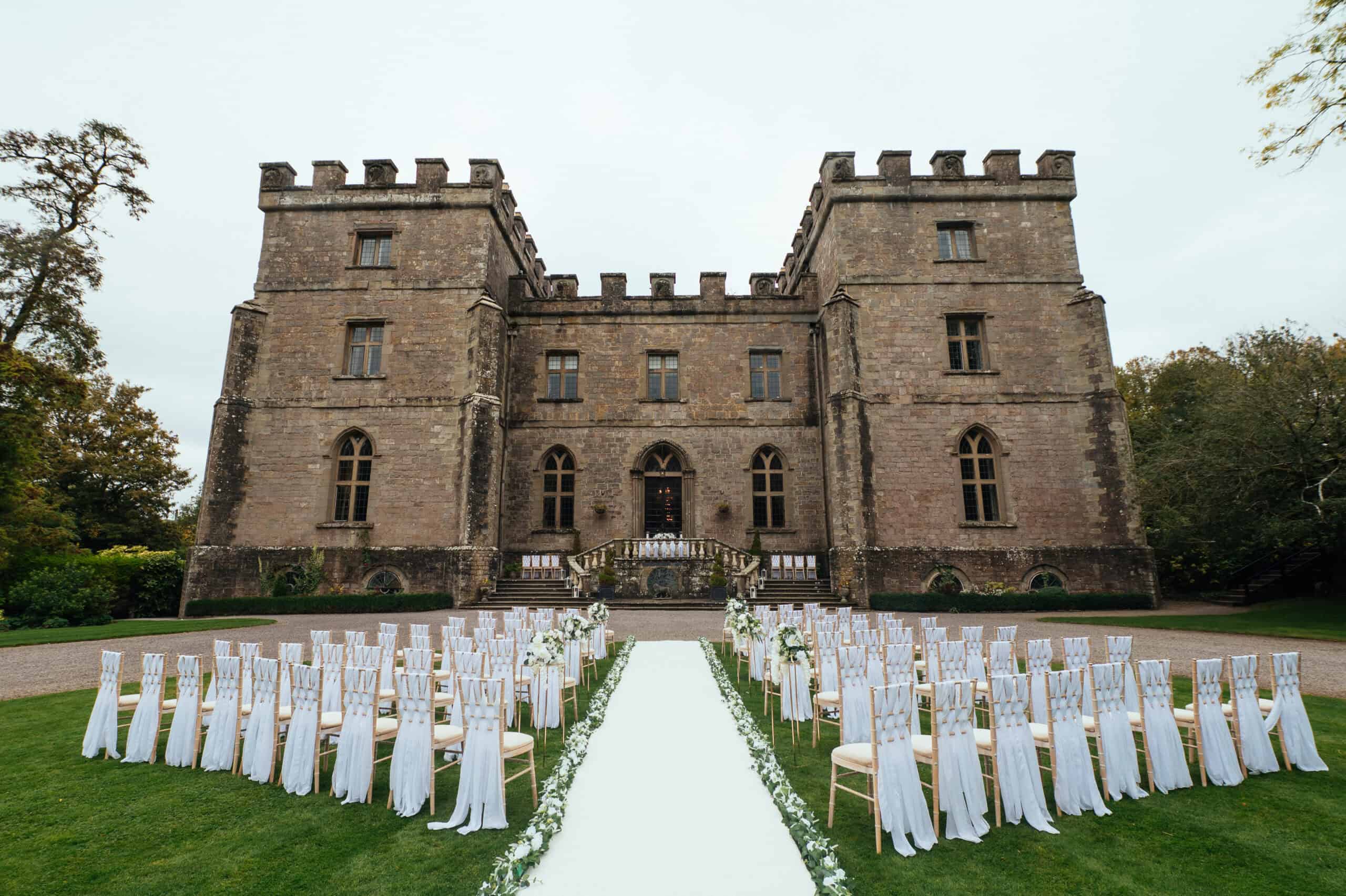
Clearwell Castle (Gloucestershire). A Georgian Gothic Revival castle hidden in the Forest of Dean, begun in 1727 and often cited as one of the earliest surviving Gothic Revival houses in England. A castellated facade above a lawn aisle, a balustraded terrace and a candlelit ballroom make an intimate, characterful wedding for up to around 150, wrapped in woodland and quiet. It is the sort of place guests struggle to find on a map and never forget once they have.
Bickleigh Castle (Devon). A centuries-old fortified castle by the river Exe near Tiverton, with a thatched gatehouse, an eleventh-century chapel and its own moat. One of Devon’s most romantic and unhurried settings, it suits couples who want a small, personal celebration in a place where the history feels touchable rather than staged. The chapel and moat give it a fairytale intimacy that larger castles, for all their grandeur, cannot quite reproduce.
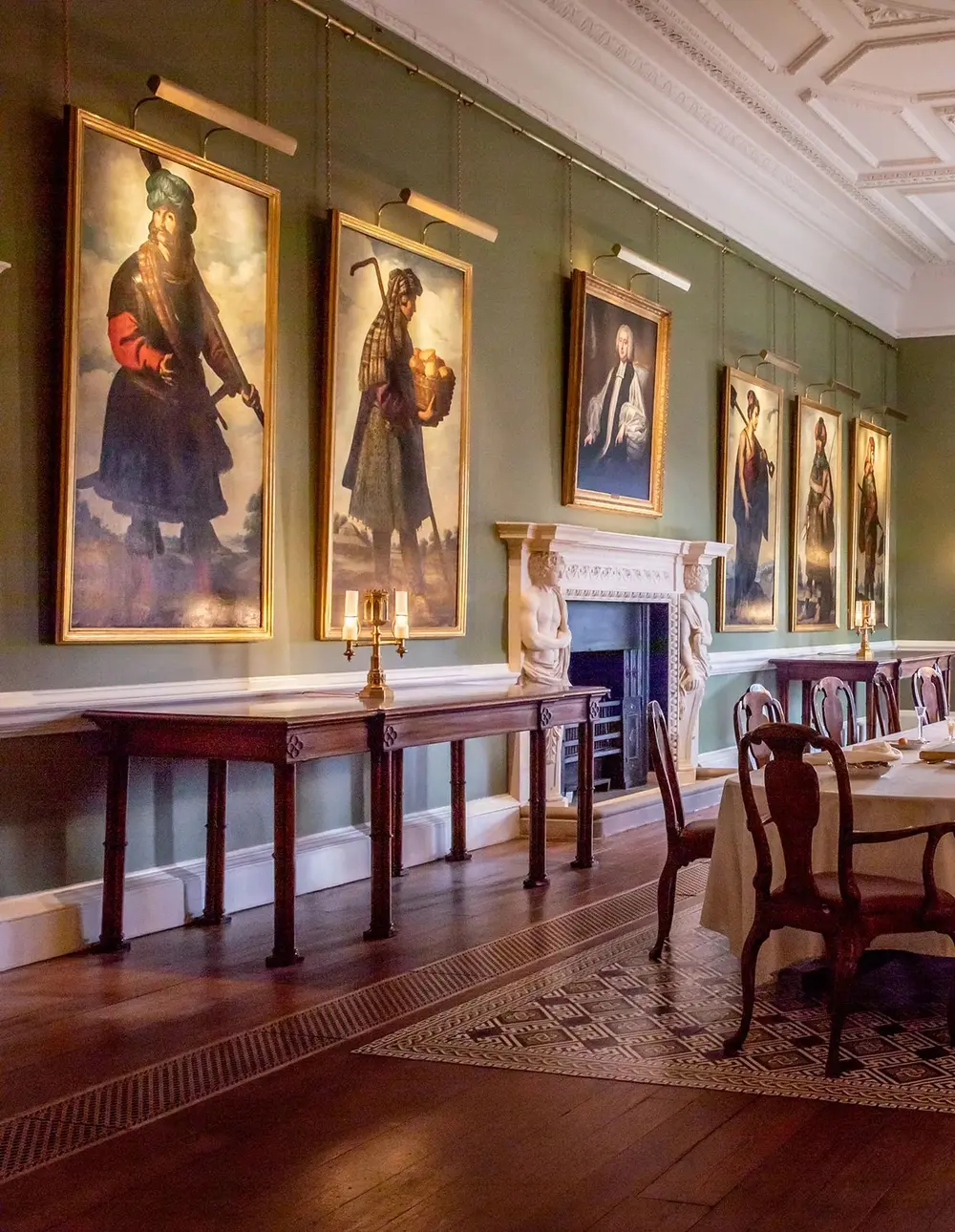
Auckland Castle (County Durham). A historic bishop’s palace at Bishop Auckland, for nearly nine hundred years the seat of the Prince Bishops of Durham and beautifully restored in recent years. A candlelit Long Dining Room, St Peter’s Chapel and a walled deer park make a stately County Durham wedding for around 120, with genuine ecclesiastical grandeur behind it. It is one of the North East’s great set-pieces and still comparatively undiscovered as a wedding venue.
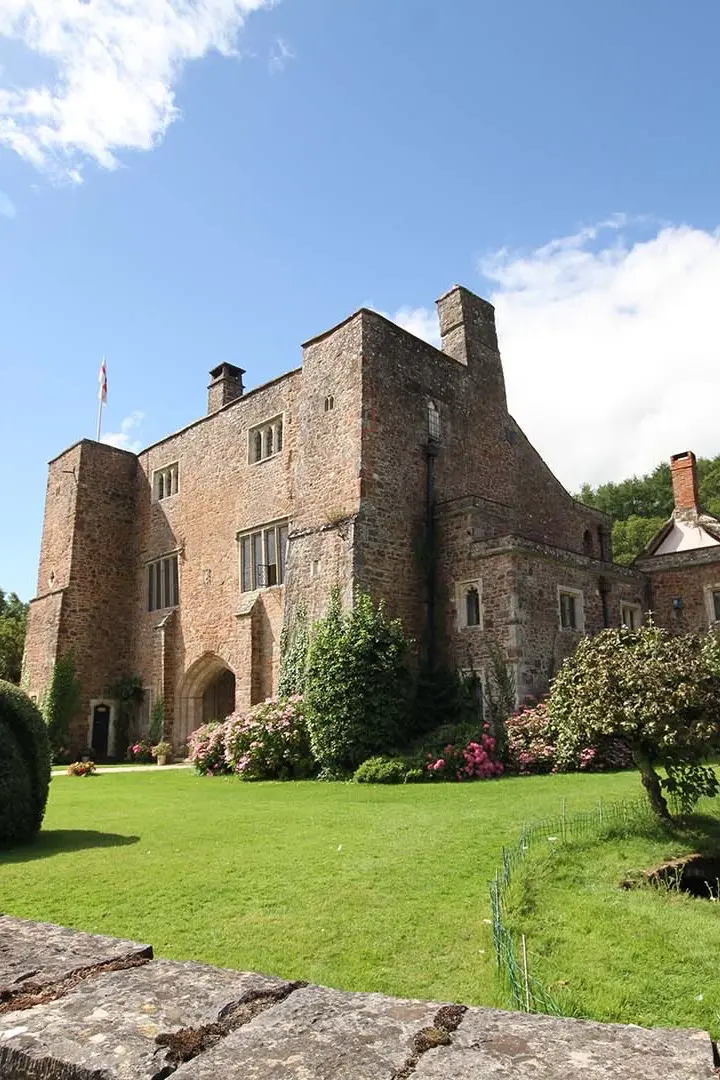
Bickleigh Castle
Auckland Castle
Swinton Park (North Yorkshire). A turreted castle hotel on a 20,000-acre Yorkshire Dales estate, mirrored in its own lake, with a spa, a cookery school and falconry. Exclusive use is arranged and priced on enquiry; the appeal is an entire Dales estate to disappear into, where the wedding is one chapter of a longer country-house weekend. Around 100 guests sit down in the castle, and the grounds hold the rest of the celebration with room to spare.
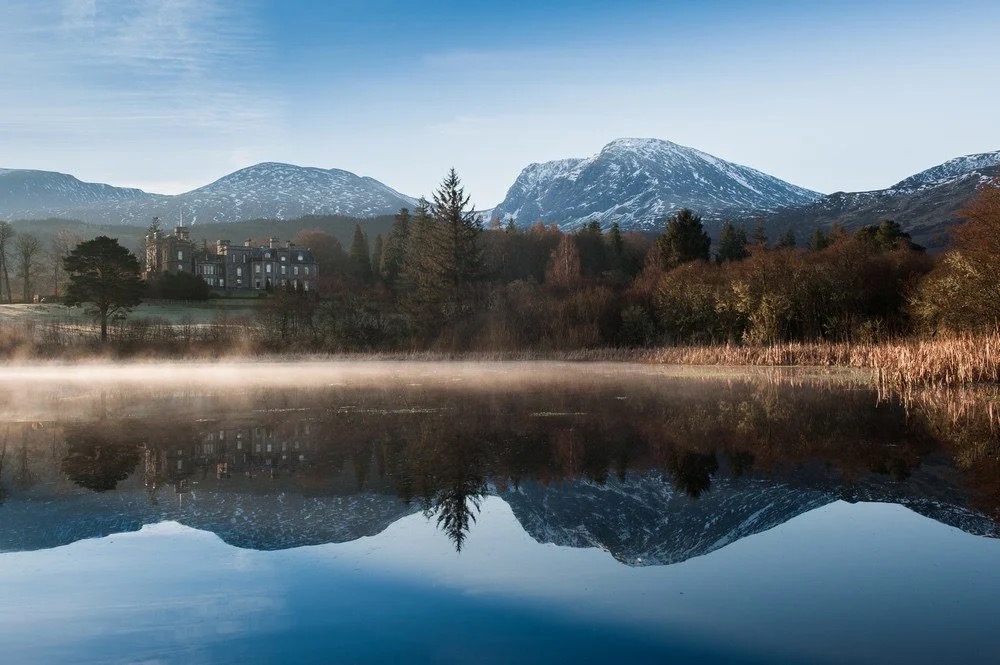
Inverlochy Castle Hotel (Scottish Highlands). A Victorian castle at the foot of Ben Nevis with its own loch at the door, a Relais & Chateaux country house that Queen Victoria admired on a visit in 1873. Highland grandeur meets a celebrated kitchen: couples marry with the mountain as a backdrop and stay in a house that feels more private home than hotel. For a small, exceptional Highland wedding, where the setting does everything, there is little in Britain to touch it.
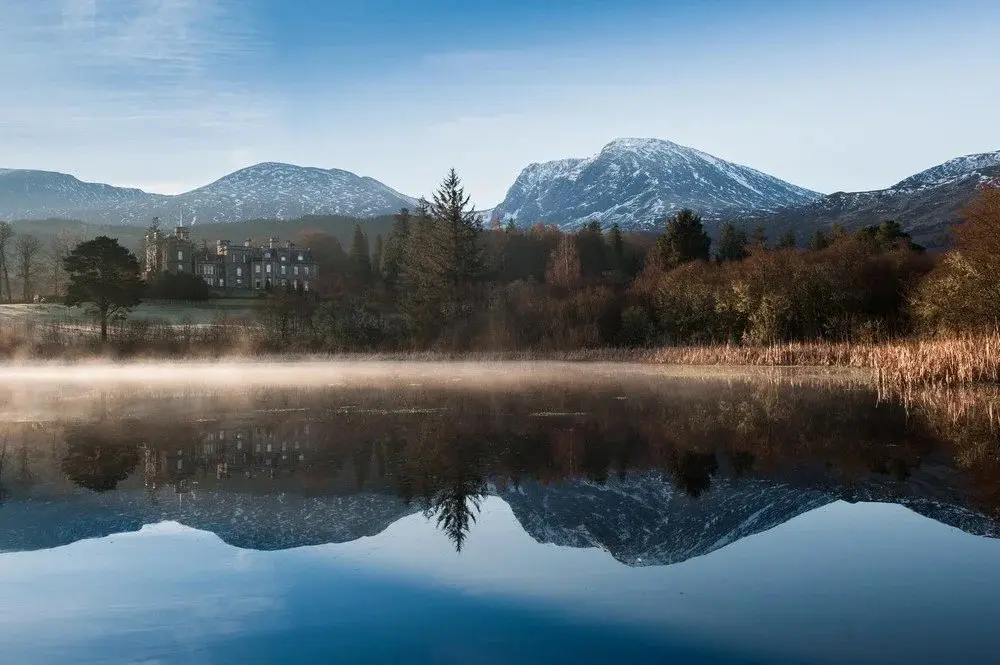
Inverlochy Castle Hotel
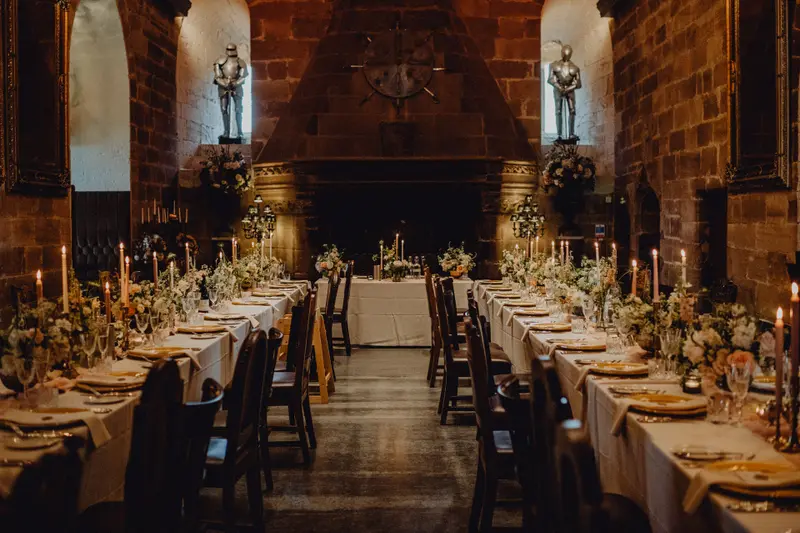
Borthwick Castle (Midlothian). A 15th-century tower-house of around 1430 just south of Edinburgh, a twin-tower keep with fourteen-foot walls and stone-vaulted halls, taken wholly for exclusive use. Couples marry in the candlelit Great Hall beneath suits of armour and spend the wedding night within the medieval stone, with around seventy guests. This is a genuinely lived-in castle rather than a restored show-home, and it feels it from the moment you step inside.
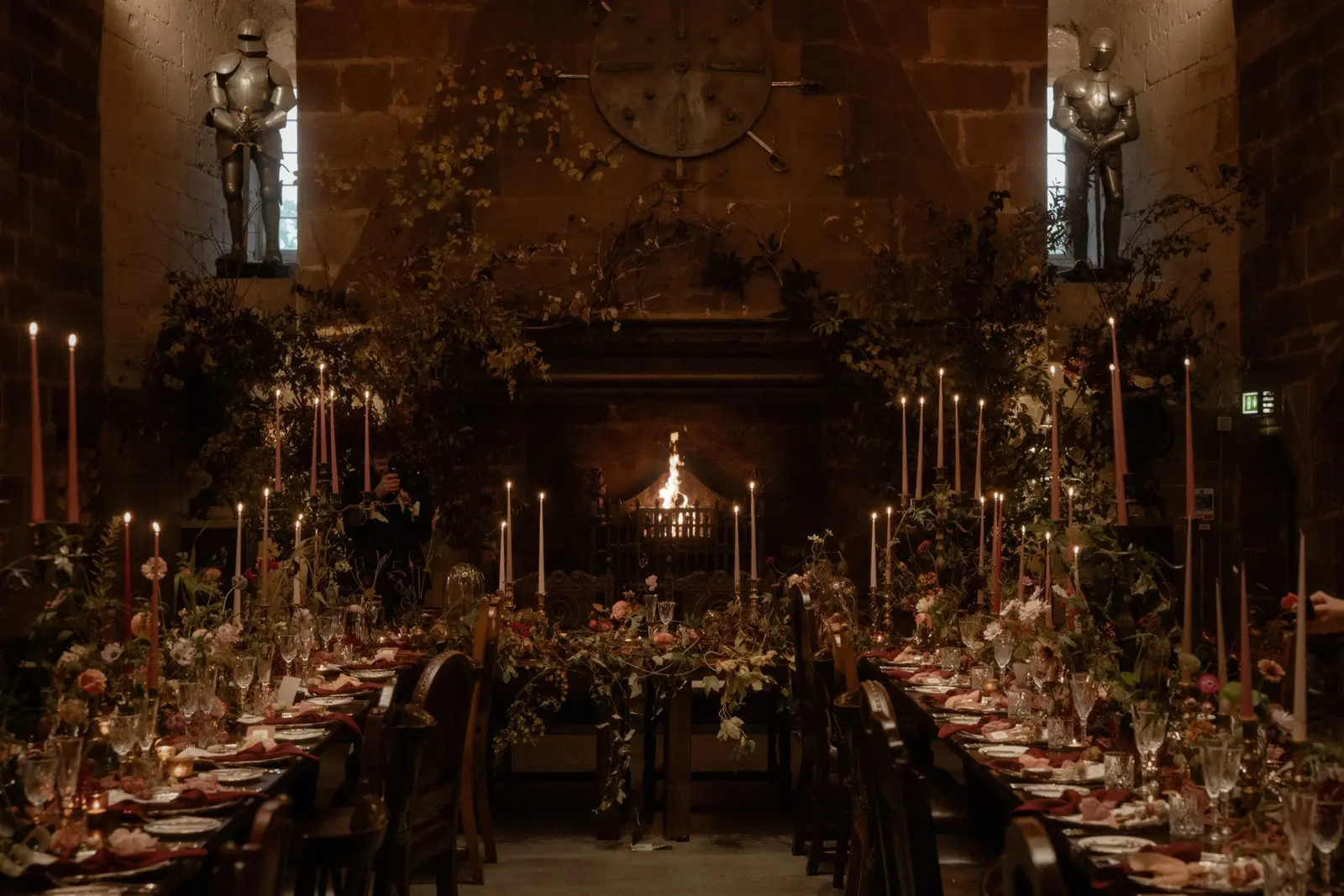
Borthwick Castle
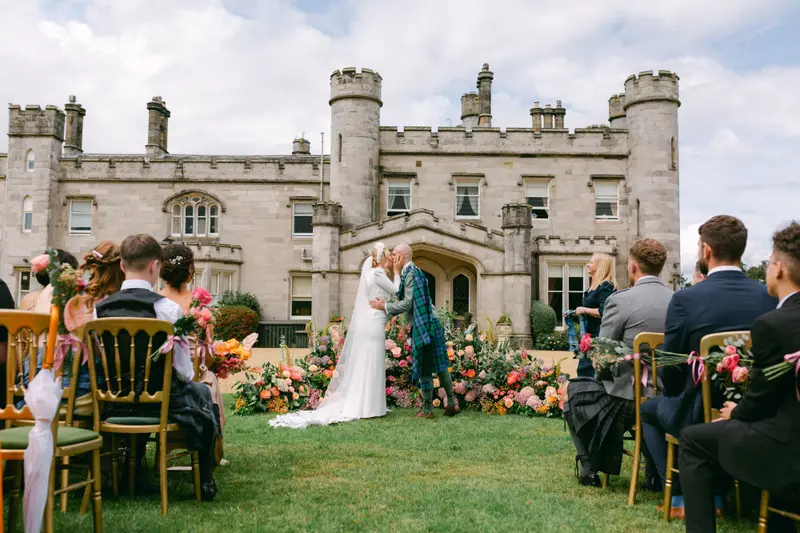
Dundas Castle (Edinburgh). A private, exclusive-use estate near South Queensferry gathered around a dramatic 600-year Auld Keep, within twenty minutes of Edinburgh. Ceremonies unfold in the walled courtyard and on the lawns, and the whole estate, carrying up to around 200 guests, is given to a single celebration. That combination of true exclusive use, real scale and a city on the doorstep makes it one of Scotland’s most flexible castles for a larger wedding.
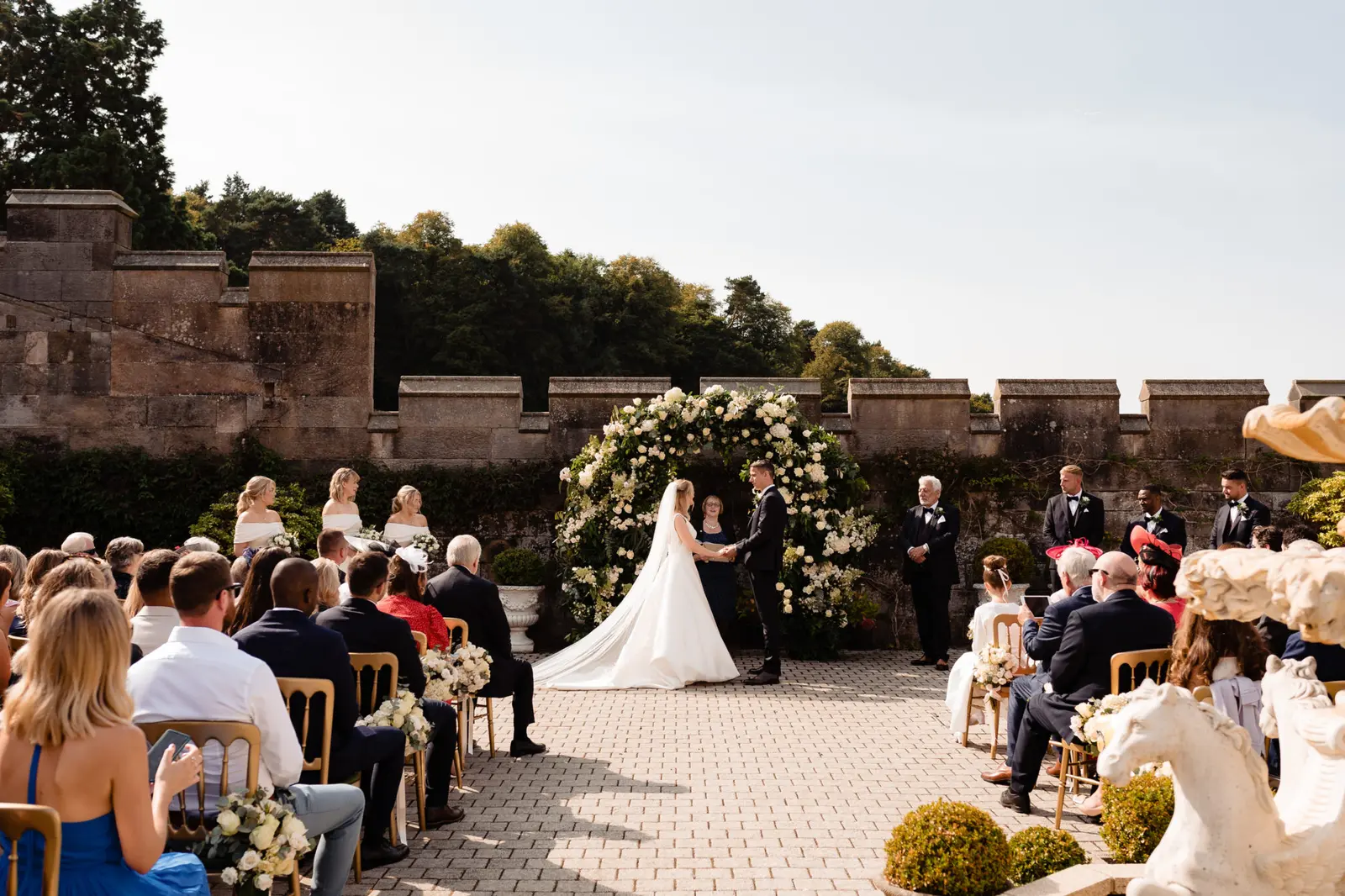
Dundas Castle
Cluny Castle (Aberdeenshire). A 16th-century castle thoughtfully restored within 200 acres of Aberdeenshire, and one of the very few on this list with a consecrated private chapel. That rare licence lets the day move from a religious ceremony straight to the candlelit Tenants’ Hall, with the castle and its lake beyond, for up to around ninety guests. For couples who want a church wedding and a castle in the same place, Cluny is almost unique.
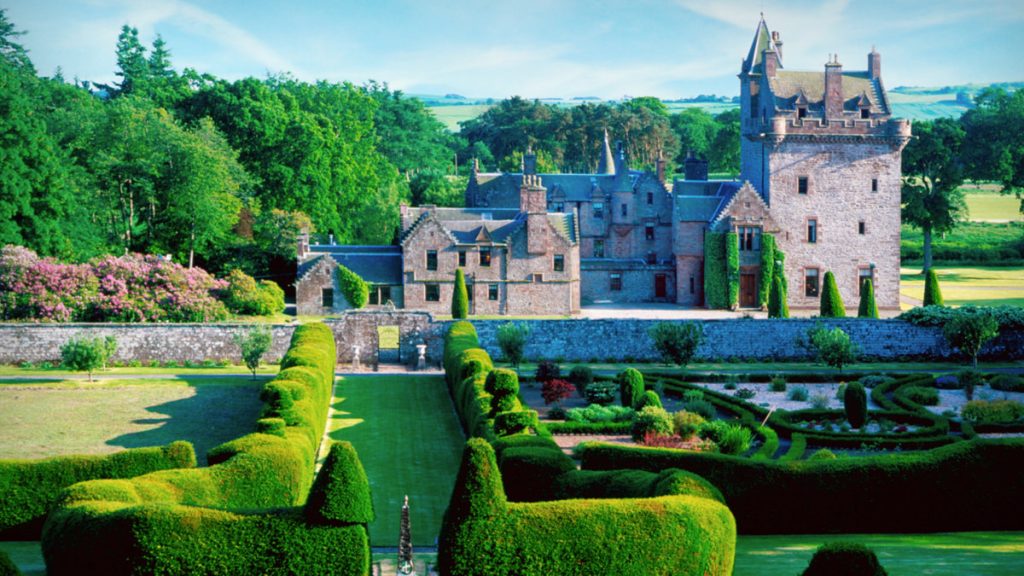
Guthrie Castle (Angus). A 15th-century Scottish baronial castle by Forfar, its keep dating to around 1468 and set in some 168 acres. Topiary walled gardens, rhododendron woodland and a still loch that mirrors the turreted tower frame an exclusive-use celebration for up to around 100. Deep in the Angus countryside and rarely on the obvious shortlists, it rewards couples who go looking a little further north.
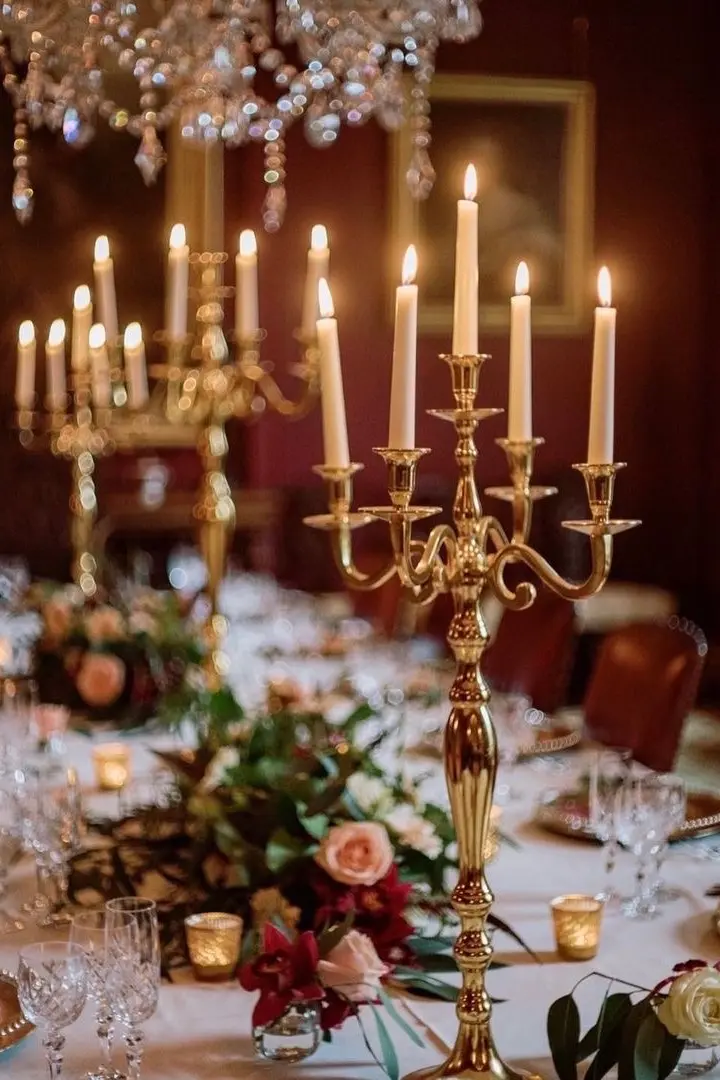
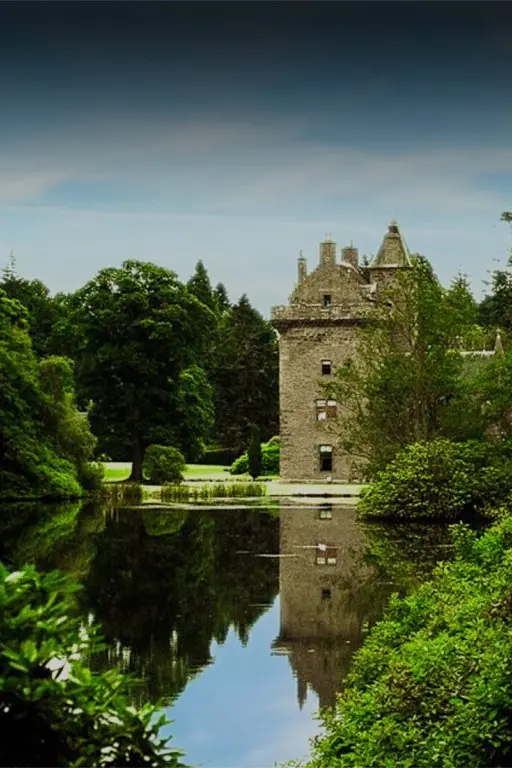
Cluny Castle
Guthrie Castle
Dunskey Estate (Galloway). A secluded Edwardian castle on a private estate above the Galloway coast near Portpatrick, given to one celebration at a time. Three of its ceremony sites take to the sea, the Cliffside, the Beach and the Lighthouse, with a fire circle for the evening. For couples who want the drama of the coast as much as the castle itself, and around eighty guests to share it, there are few settings quite so wild in the whole of Britain.
The editorial team at Luxury Wedding Directory, profiling the world's finest wedding venues and creatives.